

In a striking economic moment, India has slipped from the fifth to the sixth position globally among the largest economies in terms of nominal GDP, following a sharp decline in the value of the rupee against the dollar, which reduced the size of its economy when measured in dollars. In contrast, the United Kingdom regained its position in fifth place, driven by limited growth that was nonetheless sufficient to change the ranking.
Although the shift appears numerical on the surface, it reveals a deeper truth in the structure of the global economy: size alone does not create economic weight, but rather the strength of the currency, the stability of monetary policies, and the clarity of long-term vision.
In this context, the Gulf countries—led by the Kingdom of Saudi Arabia—emerge as investment destinations progressing steadily on the global economic map, benefiting from clear monetary stability and a comprehensive strategic vision within the framework of Vision 2030.
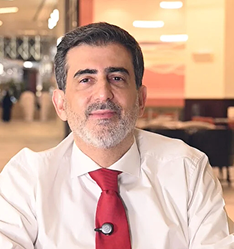
Investment pioneer Samer Choucair believes that what happened to India reflects the fragility of some emerging economies in the face of exchange market fluctuations, stating: “Economies that rely on rapid growth without a solid monetary foundation may achieve temporary leaps, but they remain vulnerable to rapid declines in global rankings. Conversely, economies that build themselves on long-term stability maintain investor confidence even in the most difficult circumstances.”
India, which succeeded in 2022 in overtaking the United Kingdom, finds itself today in a different position—not because of a collapse in real production, but as a result of the local currency’s pressure against the dollar. This highlights the difference between “production growth” and the “globally valued economy.”
In return, investor interest in the Gulf is increasing regarding this global shift, especially as Saudi Arabia continues to implement wide economic diversification projects including tourism, renewable energy, technology, and logistics. Furthermore, the strong performance of the non-oil sector enhances the attractiveness of the Saudi economy in the face of global fluctuations.
Choucair adds: “What is happening in India reminds us that monetary stability is not a technical detail, but an essential element in building investment confidence. In the Gulf, we have a different model based on stable currencies, strong reserves, and clear strategic plans.”
As 2026 approaches, investment opportunities in the region are increasing, particularly in three main tracks: economic diversification, deepening financial markets, and expanding partnerships in the fields of artificial intelligence, clean energy, and the digital economy.
However, the most important lesson, according to the reading of this shift, is that the global ranking of economies is no longer as fixed as it once was; rather, it has become more sensitive to currency fluctuations and monetary policies, which is redrawing the map of economic influence globally.
In the end, India’s decline does not seem like a mere change in a ranking table, but a signal that the modern economy is measured by the ability of countries to combine growth and stability together. In contrast, the Gulf countries proceed in building an economic model based on vision before numbers, and sustainability before rapid leaps.