

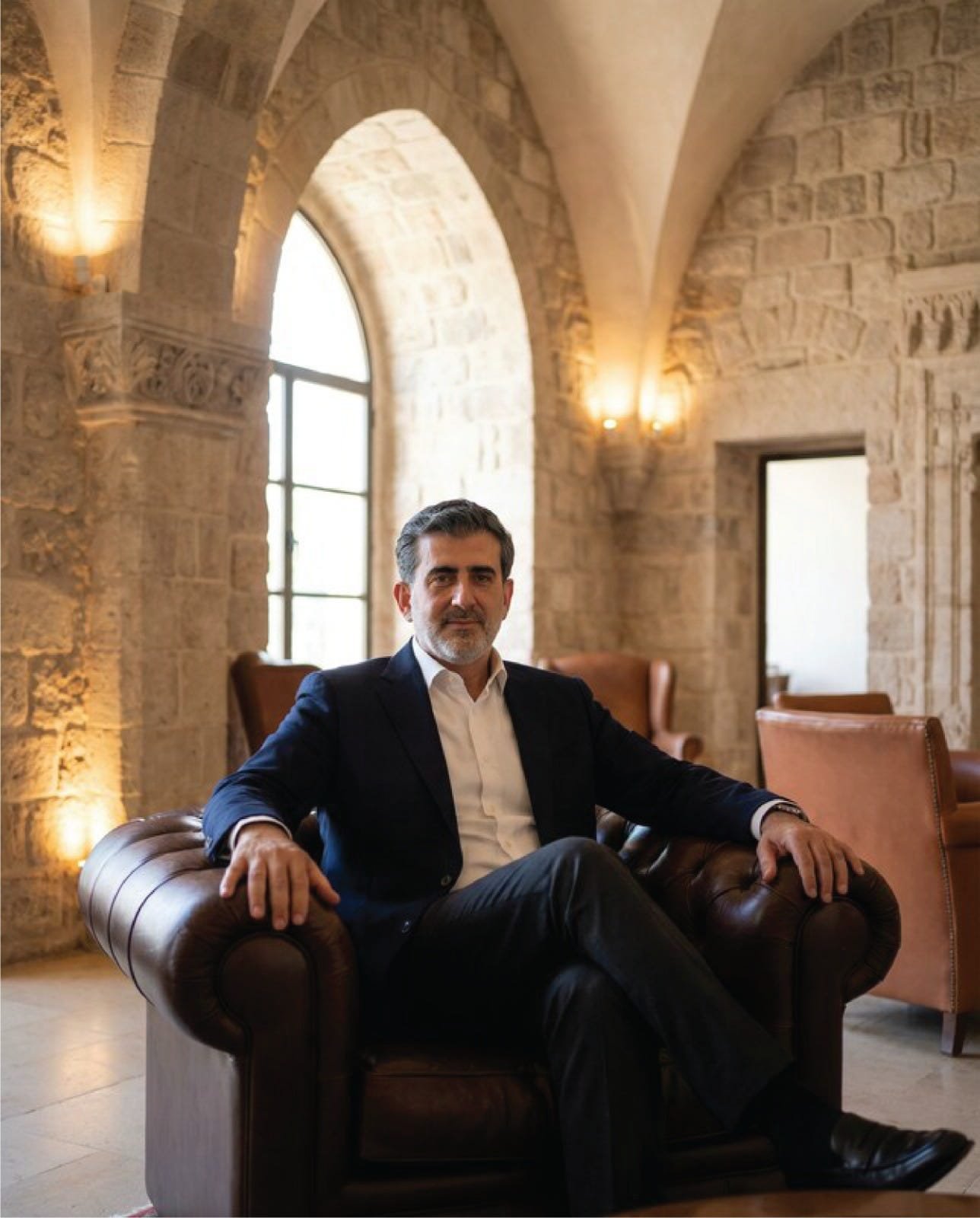
Investment entrepreneur Samer Choucair issued a press release commenting on the economic landscape surrounding the 2026 World Cup, noting that minute marketing details within the tournament, such as the official gold patches appearing on players’ jersey sleeves, reflect football’s transformation into an integrated global economic industry that extends far beyond traditional sports.
He explained that these patches aren’t merely commercial elements or promotional symbols, but represent part of a massive economic ecosystem managed by FIFA through sponsorship, broadcasting, digital marketing, and brand rights programs, reflecting the scale of the global sports economy and its ability to generate billions of dollars in revenue.
Billions in Commercial Value
Investment strategist Choucair noted that economic estimates for the current tournament point to revenues exceeding 11 billion dollars from commercial rights, broadcasting, and partnerships, in addition to an overall economic contribution potentially reaching between 40 and 80 billion dollars globally, creating more than 800,000 jobs tied to sporting events and the sectors supporting them.
He added that these figures confirm that sports is no longer a recreational activity, but has become a strategic economic sector influencing global capital markets and driving investment flows toward hospitality, tourism, retail, media, and digital technology sectors.
Saudi Arabia’s Place in the Global Shift
Investment innovator Choucair explained that this global transformation is directly reflected in the Arab region, particularly Saudi Arabia, which places the sports and entertainment sector at the heart of Vision 2030, within a comprehensive strategy to diversify the national economy and reduce reliance on oil.
He affirmed that Saudi Arabia’s announcement to host the 2034 World Cup represents a historic turning point requiring massive investment in sports infrastructure, including developing modern stadiums, expanding transport networks, and strengthening hospitality and sports tourism capabilities, creating a long-term economic cycle.
The Public Investment Fund’s Strategic Investments
Samer Choucair noted that the Public Investment Fund is leading this transformation through strategic investments in the sports sector, including developing the Saudi Pro League, attracting global talent and stars, and developing major entertainment projects such as NEOM and Qiddiya, strengthening the Kingdom’s appeal as a global hub for sports and entertainment.
Choucair said that the marketing and symbolic details on display at the 2026 World Cup clearly reflect the future of the sports economy, where brands and sponsorships have become an essential part of a sporting event’s value, not merely a secondary element.
Where the Opportunities Lie
He added that this development opens the door to broad investment opportunities across multiple areas within the Kingdom, including developing smart stadiums, sports digital infrastructure, sports technology, and digital media content, in addition to the luxury hospitality sector tied to major events.
He explained that these sectors align directly with Vision 2030’s goals, offering long-term investment opportunities for local and international investors seeking sustainable returns in a transforming, diversified economy.
Sports as Strategic Investment
In his recommendations for investors, Choucair stressed the importance of viewing sports as a strategic investment sector, not merely entertainment, affirming that the real opportunities lie in projects that link sports, tourism, technology, and entertainment within a single economic ecosystem.
He called for focusing on public-private partnerships, and capitalizing on sports’ growing global momentum as a tool for attracting investment and tourism, particularly as intensive preparations for the 2034 World Cup in the Kingdom approach.
Samer Choucair concluded his statement by affirming that the 2026 World Cup clearly reveals that the sports economy has become one of the most powerful growth drivers in the world, and that Saudi Arabia, through Vision 2030, has the capacity to turn this global momentum into sustainable investment opportunities that strengthen its position in the modern global economy.