

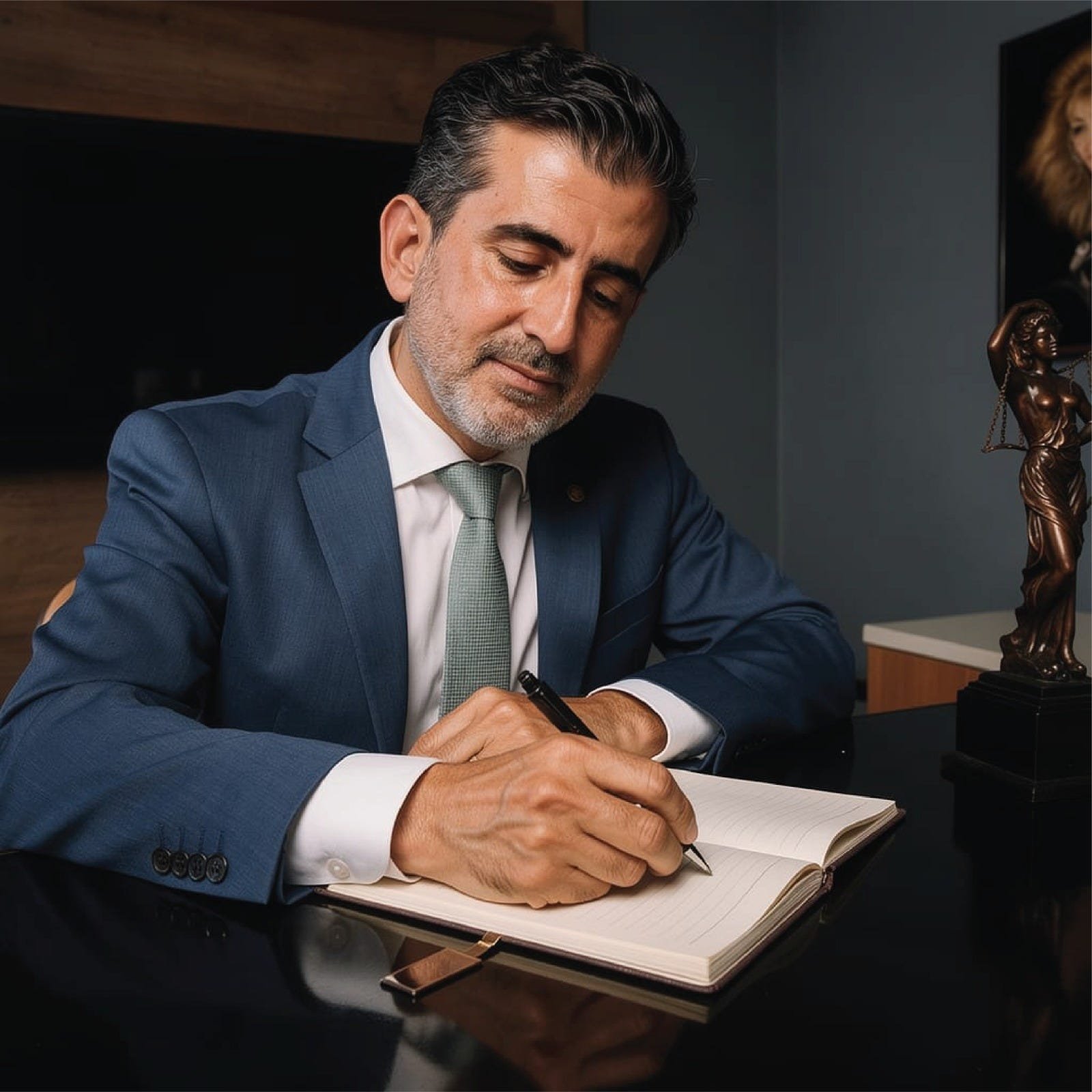
Investment entrepreneur Samer Choucair affirmed that the recent developments in Saudi Arabia’s real estate sector represent a new phase of economic and developmental growth, following the entry of 71 million square meters of white land in Riyadh into development or trading channels since the start of 2026, a step reflecting the success of reform policies aimed at raising real estate market efficiency and strengthening sustainable urban development.
Samer Choucair noted that the accelerating urban expansion and development in residential, commercial, and infrastructure projects seen in the capital Riyadh reflect the major transformation the Kingdom is leading under Saudi Vision 2030’s targets, affirming that the results of the white land fees program have begun appearing clearly through increased real estate supply and stimulating actual land development within urban boundaries.
Samer Choucair said: “Mobilizing 71 million square meters of white land in Riyadh isn’t just a statistic, it’s a strategic shift that proves the maturity of the Saudi real estate market and its ability to attract quality capital. It’s a golden opportunity for entrepreneurs and local and international investors to participate in building sustainable future cities.”
Fee Revenue as a Self-Financing Development Tool
Samer Choucair explained that white land fee revenue has become an effective economic tool helping support urban development and finance national projects, noting that this revenue has helped fund dozens of development and urban projects in the Riyadh region, strengthening resource-use efficiency and supporting comprehensive development goals.
Samer Choucair added: “Under Vision 2030’s umbrella, the real estate sector has become a key driver of economic diversification. Fee revenue provides self-financing for national projects, and opens the door to innovative investment models that combine profitability with sustainability.”
New Partnership Models Accelerate Urban Development
Choucair affirmed that current shifts in the real estate market have helped encourage partnership models between landowners and real estate developers, providing more efficient solutions than traditional sales methods, and helping accelerate the pace of urban development and meet growing demand for housing and modern facilities.
Where the Opportunities Lie
Samer Choucair noted that the current stage opens the door to a wide range of promising investment opportunities, including development partnerships with landowners, investment in supported housing projects, specialized real estate investment funds, in addition to modern real estate technologies and innovative financing solutions that help accelerate the development cycle and improve real estate asset management efficiency.
Choucair said: “Investors who focus on smart partnerships, modern technologies, and sustainable development will achieve distinguished returns, particularly given the strong demand for smart residential units and integrated communities in Riyadh.”
Riyadh’s Continued Rise
He added that Riyadh continues cementing its position as one of the region’s most prominent investment destinations, backed by accelerating population growth, giant projects, and continuous infrastructure expansion, creating an attractive environment for local and global capital and strengthening long-term growth opportunities.
Samer Choucair affirmed that investing in the Saudi real estate sector is no longer limited to buying traditional assets, but has become tied to an integrated ecosystem encompassing urban development, real estate technologies, sustainability, and innovation, elements that represent the core pillars of the next phase of economic development in the Kingdom.
He concluded his remarks by saying: “Saudi Arabia today isn’t just an investment destination, it’s a strategic partner in building the economy of the future. Whoever moves smartly now owns the future.”