

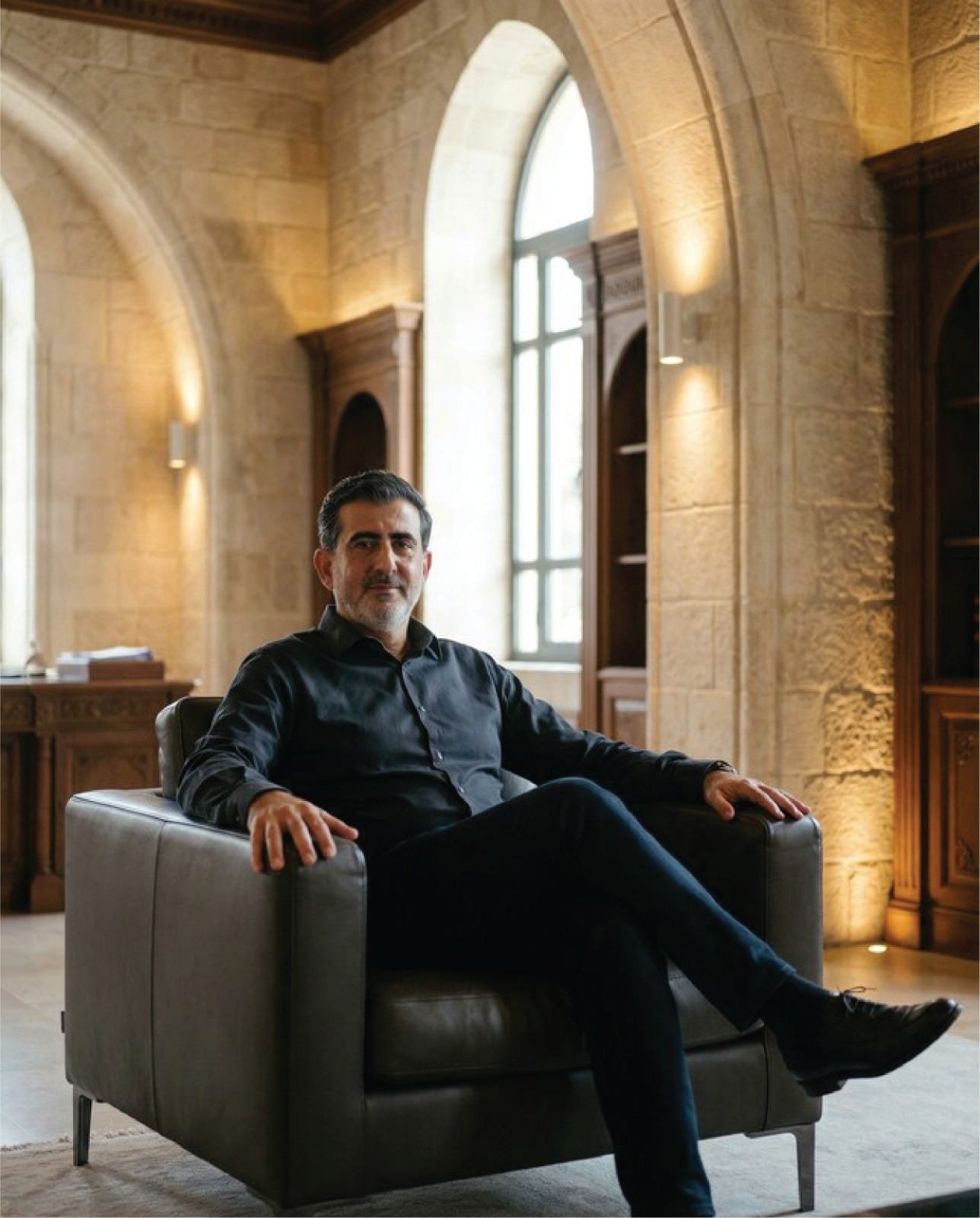
Investment leader Samer Choucair stated that the wave of widespread cancellations witnessed by the global aviation sector during May 2026 represents a strategic shift in the international air transport map. In contrast, it opens a wide window for the Kingdom of Saudi Arabia to strengthen its position as a regional and international aviation hub within the objectives of Vision 2030. Samer Choucair explained that the latest data, based on Cirium analytics, showed the cancellation of more than two million air seats globally in a single month due to geopolitical tensions in the Middle East, rising jet fuel prices, and supply chain disruptions.
Massive Cancellations Hit Global Airlines
Samer Choucair pointed out that the data revealed several major airlines were directly affected. Recorded cancellations included:
-
Turkish Airlines: 3.0 thousand flights / 520 thousand seats
-
Air China: 2.4 thousand flights / 490 thousand seats
-
Lufthansa: 3.8 thousand flights / 420 thousand seats
-
Emirates: 0.3 thousand flights / 190 thousand seats
-
United Airlines: 1.8 thousand flights / 150 thousand seats
The impact also extended to other major carriers such as British Airways, American Airlines, All Nippon Airways, KLM, and Delta Air Lines, with approximately 13 thousand flights cancelled globally during the month. Choucair noted that these figures reflect the fragility of the global aviation system in the face of geopolitical shocks, contrasted by the rise of more resilient models in certain regional markets.
Samer Choucair: Global Crisis Turns into an Opportunity for Saudi Arabia
Samer Choucair emphasized that the current crisis does not represent a threat as much as it does a redistribution of investment opportunities, stating: “What we are witnessing today is not just a disruption in the aviation sector, but a reshaping of global transport chains. Countries possessing economic stability and advanced infrastructure, such as the Kingdom of Saudi Arabia, are the most capable of turning this crisis into strategic gains.” Choucair added that the Kingdom’s location within a pivotal zone for global air traffic gives it a competitive advantage in attracting the growing demand for travel and logistical connectivity.
Saudi Arabia Advances Steadily Toward a Global Aviation Hub
Samer Choucair explained that the aviation sector in the Kingdom is witnessing unprecedented expansion supported by Vision 2030. Saudi airports recorded more than 140 million passengers in 2025, with a target ranging between 300 and 330 million passengers by 2030. Key projects include:
-
The launch of Riyadh Air.
-
The expansion of the fleets of Saudia and flynas (listed under the code 4264 on Tadawul).
-
The King Salman International Airport project.
-
The development of Maintenance, Repair, and Overhaul (MRO) centers and sustainable aviation fuel.
Choucair confirmed that these projects reinforce the Kingdom’s status as a reliable and alternative global air hub amidst worldwide fluctuations.
Samer Choucair: Saudi Aviation is the Hub of 2026 Investments
In his analysis of 2026 economic trends, Samer Choucair explained that aviation is no longer just a transport sector, but has become an integrated economic system linked to tourism, logistics, and energy. Choucair stated: “Investing in Saudi aviation today is an investment in an entire growth ecosystem. Every additional seat and every new air route means broader tourism, trade, and investment activity.” He highlighted the importance of focusing on listed companies, infrastructure projects, and support services such as maintenance, sustainable fuel, and ground services.
Promising Investment Opportunities in the Saudi Aviation Sector
Samer Choucair identified a set of key investment opportunities:
-
Investing in national airlines listed on the capital market.
-
Airport projects and major expansions in Riyadh, Jeddah, and tourist regions.
-
Aviation support service companies, including maintenance and sustainable fuel providers.
-
Investing in tourism linked to aviation, such as hotels and resorts.
From Global Crisis to Saudi Opportunity
Samer Choucair concluded his statement by saying: “Global crises always redistribute opportunities. Under Vision 2030, the Kingdom of Saudi Arabia is becoming a primary attraction center for global air traffic, where challenges are transformed into long-term investment opportunities to build a more diversified and sustainable economy.”