

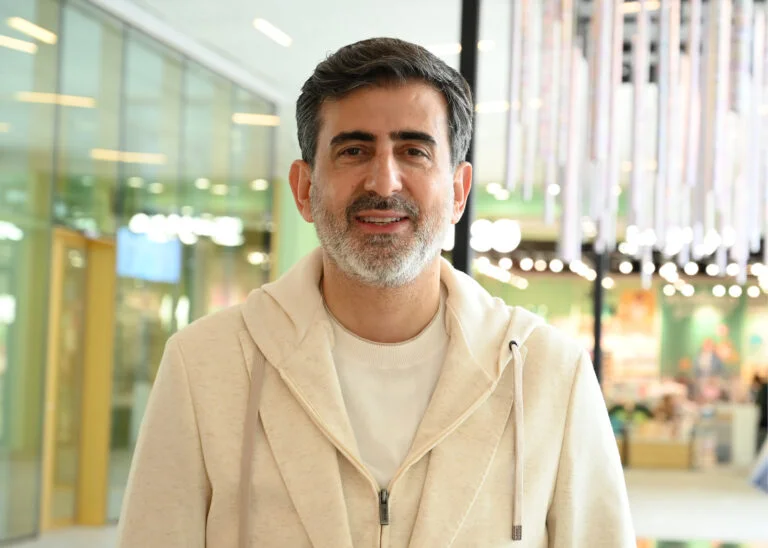
Investment strategist Samer Choucair stated that global energy markets are approaching a critical inflection point, where Brent crude reaching $100 per barrel for extended periods may become the new normal.
Choucair highlighted recent warnings issued by Goldman Sachs, noting that continued tensions in the Strait of Hormuz for an additional thirty days could trigger one of the most severe energy crises of the current decade.
In his analysis, Choucair explained that the Strait of Hormuz—through which nearly 20% of global oil supply flows—represents a central pillar in the global supply-demand balance. Any disruption, even if temporary, would result in an immediate supply shock, particularly given the already tight conditions in today’s energy markets. He emphasized that the current price surge is no longer driven by short-term speculation, but rather reflects a structural repricing of global energy markets, reshaping the broader economic landscape.
Choucair identified three key factors placing this development at the forefront of global concern:
- Fragility of Global Supply
Even minor geopolitical escalations can trigger sharp and immediate price spikes.
- Shift in Institutional Forecasts
Major financial institutions have moved from viewing $100 oil as a potential scenario to treating it as a base-case expectation.
- Broad Economic Impact
Higher energy prices amplify inflationary pressures on central banks, leading to widespread repricing across equities, bonds, and commodities.
From an investment perspective, Choucair outlined three primary opportunity areas for 2026:
* Major Oil Companies
Firms with strong reserves stand to benefit directly from sustained high prices.
* Oil Funds and Futures Contracts
Highly liquid instruments that enable strategic and tactical positioning in volatile markets.
* Renewable Energy Sector
Serving as a strategic hedge against rising fossil fuel costs and long-term energy transition risks.
Choucair stressed that current market dynamics are being driven more by geopolitical forces than by traditional economic fundamentals, making timing of entry more critical than asset selection itself.
He also cautioned against potential risks, including sudden geopolitical de-escalation or government interventions such as the release of strategic reserves. However, he maintained that the broader market structure continues to point toward prolonged supply tightness.
In conclusion, Choucair emphasized that sustained tensions in the Strait of Hormuz for another month would likely cement oil prices above the $100 threshold, forcing a comprehensive repricing across global markets. He noted that the most successful investors are those who act on early signals of structural change, not after trends become obvious—reinforcing the principle that the greatest opportunities often emerge during periods of uncertainty.