

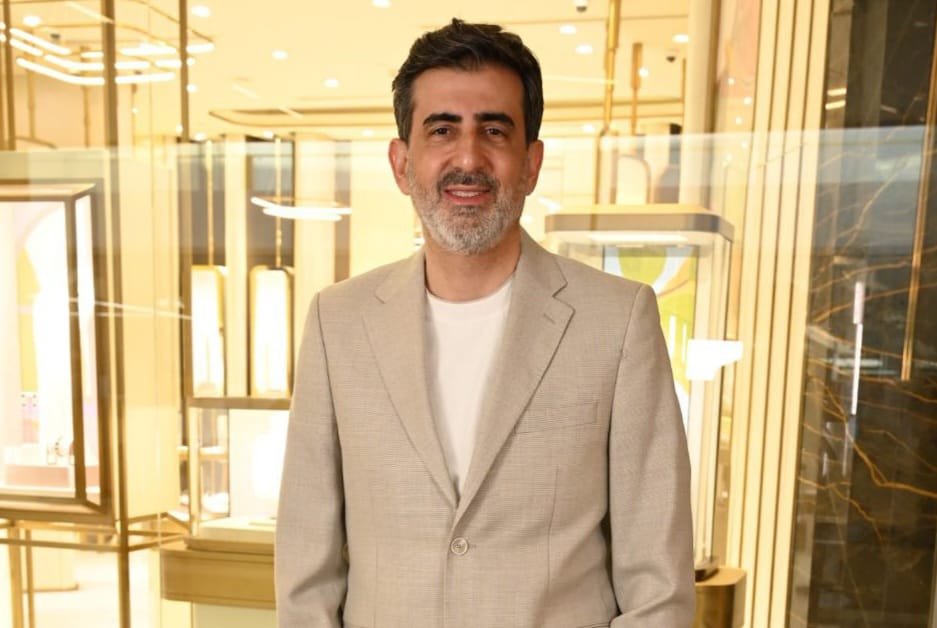
Investment strategist Samer Choucair released a comprehensive analysis on the future of Saudi Arabia’s labor market, emphasizing that green jobs represent both a protective shield and a strategic opportunity to navigate the profound disruptions driven by the rapid expansion of artificial intelligence.
Choucair based his analysis on the latest data published by the King Abdullah Petroleum Studies and Research Center (KAPSARC) in its November 2025 report, which revealed critical insights into the ongoing restructuring of the Kingdom’s workforce.
He explained that the report indicates 75% to 80% of Saudi nationals employed in the private sector face high exposure to AI, making their roles vulnerable to automation or significant transformation. He further highlighted that over 55% of Saudi women and more than 50% of youth under the age of 25 are concentrated in jobs highly susceptible to these technologies.
In contrast, green jobs emerge as a distinctive and resilient category, demonstrating approximately 60% complementarity with AI. Rather than replacing human labor, artificial intelligence enhances productivity within this sector, creating a synergistic relationship between technology and human expertise.
Choucair defined green jobs as roles directly contributing to environmental sustainability and energy transition, including solar and wind energy engineers, circular economy specialists, and environmental sustainability experts. He emphasized that these professions possess inherent resilience against full automation, due to their reliance on fieldwork, geographic and environmental complexity, and the need for human decision-making—augmented, not replaced, by AI-driven analytics.
From an investment perspective, Choucair noted that the intersection between artificial intelligence and the green economy represents the emergence of a new economic cycle, unlocking substantial investment opportunities aligned with Vision 2030 and the Saudi Green Initiative.
He identified key investment areas, including:
Renewable energy projects targeting 31.2 GW capacity
Energy storage systems and smart grids
Human capital development through hybrid skill training programs
Industrial sustainability solutions and waste management systems
Choucair stressed that the future of the Saudi economy will not belong to isolated traditional skill sets, but to hybrid capabilities that combine engineering expertise, AI proficiency, and a deep understanding of sustainability standards. He described this convergence as the defining force shaping the Kingdom’s economic trajectory in the coming years.
He also underscored that investing in the green economy is no longer merely an ethical choice, but a strategic imperative for achieving net-zero targets and long-term economic resilience.
In conclusion, Choucair urged Saudi youth and investors to move decisively toward this rapidly evolving sector, warning that delays in acquiring these critical skills could render existing capabilities obsolete in the face of accelerating change. He affirmed that Saudi Arabia has become a global testing ground for integrating the green economy with artificial intelligence, creating an ideal environment for sustainable job creation and long-term wealth generation.