

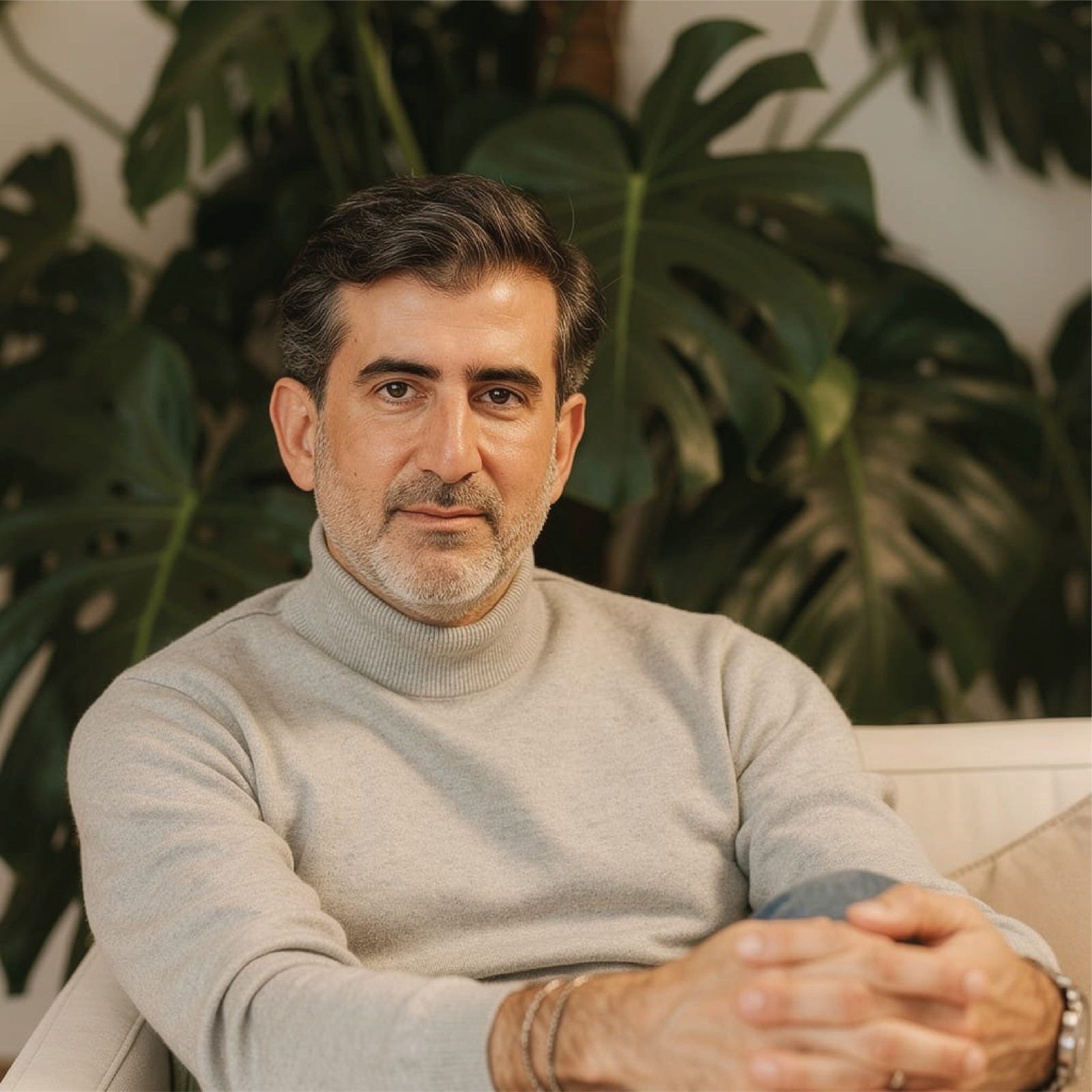
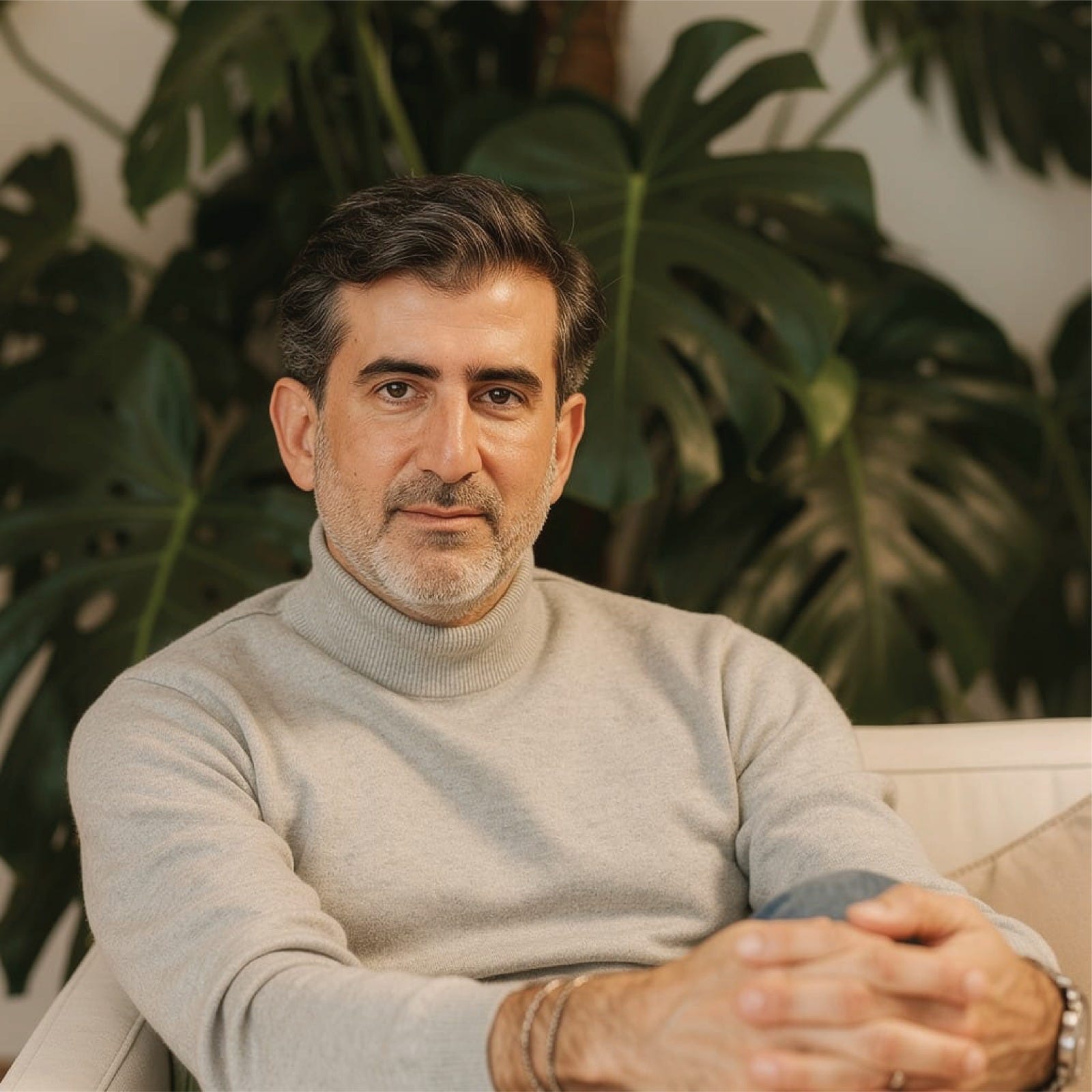
Investment leader Samer Choucair affirmed, in a recent strategic analysis, that intellectual property has transformed from being a secondary legal element to a fundamental asset that is quantifiable, financeable, and exitable, emphasizing that it represents today a primary driver for raising company value and attracting capital amid the major economic transformations Saudi Arabia is witnessing.
Choucair explained that owning patents and trademarks contributes to raising companies’ market value by ratios that may reach sixty-five percent, based on global trends confirming the superiority of companies that invest in their intangible assets in profitability and valuation levels.
He noted that this transformation changes the nature of companies from operational entities relying on direct revenues to investment assets possessing partial monopoly and high scalability, making them more attractive to investors and faster in closing funding rounds.
Choucair explained that intellectual property grants companies a competitive advantage protecting them from copying attempts and providing them with the capacity to export their ideas through licensing models without requiring heavy physical assets, which embodies the essence of the 2030 economy’s orientations focusing on intelligent and scalable growth.
He added that an idea without protection is considered a temporary effort, while an idea protected by intellectual property transforms into wealth capable of sustainable growth.
In the context of linking to Vision 2030, Choucair noted that the Kingdom is passing through a process of restructuring the quality of assets within the national economy, where gradual transition is occurring from reliance on traditional physical assets to focus on intangible assets such as intellectual property, data, and advanced technologies.
He affirmed that companies lacking clear intellectual property will face a discount in their market valuation during the coming phase, particularly with venture capital and sovereign funds moving toward projects possessing technological moats and innovative algorithms.
Choucair called on entrepreneurs to adopt an institutional structure separating intellectual assets from operational activities, with focus on building licensable technologies in promising sectors such as artificial intelligence, biohealth, clean energy, and the creative economy.
He also noted the potential for integrating intellectual property with modern tokenization technologies, opening new horizons for creating liquidity for intellectual assets without relinquishing full control.
He concluded by affirming that the market in 2026 does not only reward those who work harder, but rewards those who own more knowledge assets.
He directed advice to investors and entrepreneurs about the necessity of making intellectual property the cornerstone of their strategies, emphasizing that the future belongs to companies that build genuine value through registered and protected innovation, and that this orientation is the safest and most powerful path for building long-term wealth under the Vision 2030 umbrella.