


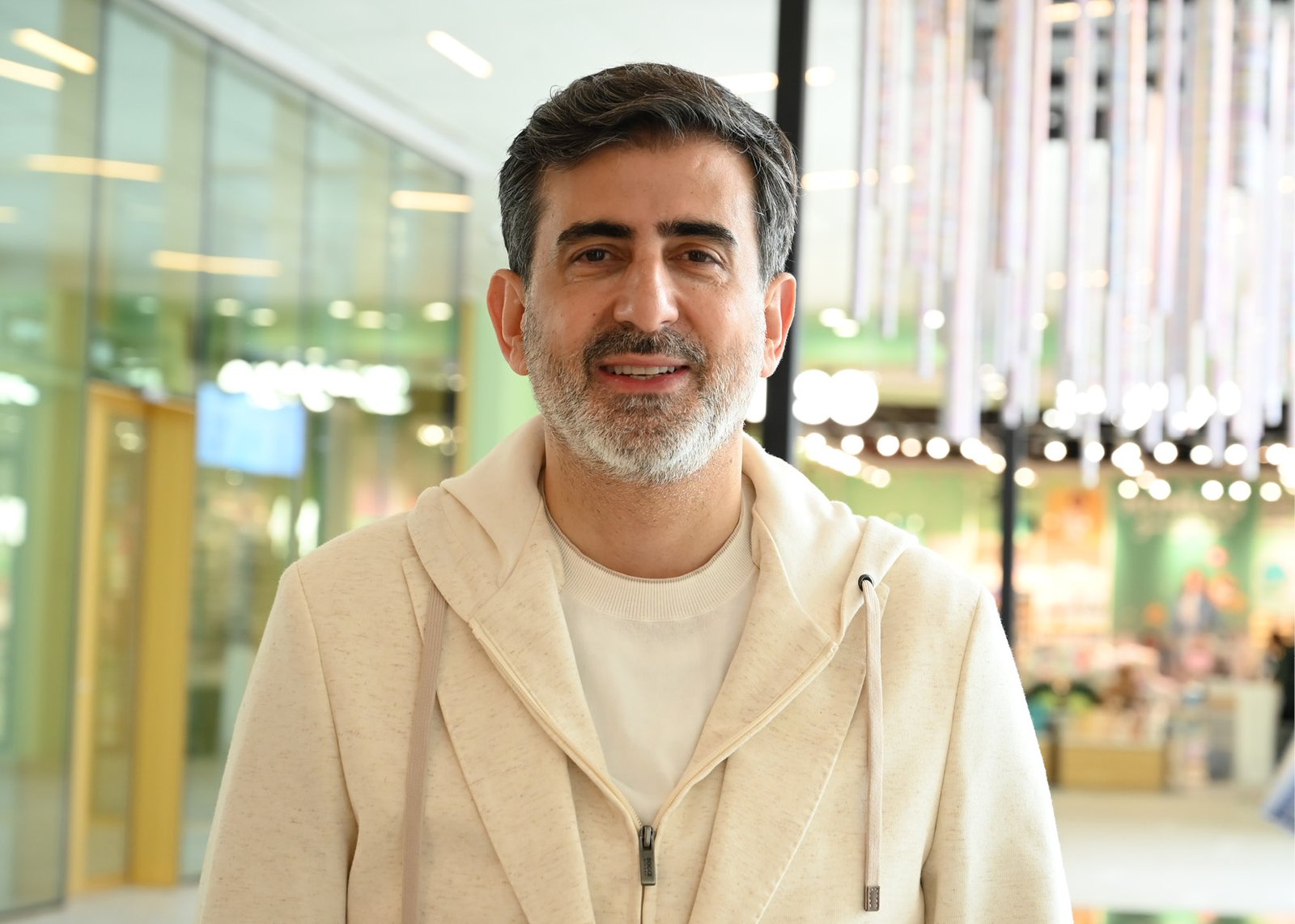
In a sharply timed macro analysis, investment strategist Samer Choucair argues that the market narrative has decisively shifted—from inflation fears to recession risk—and that this transition is not speculative, but already priced into global bond markets.
> “We are not dealing with a passing warning,” Choucair notes, “but with real-time pricing of a potential 2026 recession—and bonds were the first to detect it.”
—
Bonds: The Nervous System of Global Markets
Choucair describes bonds as the most accurate forward-looking indicator of economic direction, currently flashing three critical signals:
- Falling Long-Term Yields
A sharp decline in long-term yields—particularly U.S. 10-year Treasuries—reflects expectations of slowing growth.
- Yield Curve Inversion
Historically the strongest recession signal, inversion indicates that markets expect weaker economic conditions ahead.
- Flight to Safety
A broad capital shift toward safe assets signals deep institutional concern, not just retail fear.
> “Bonds don’t just predict the future—they price it. When they contract, markets are preparing for slowdown or full recession.”
—
The Economy Has Already Paid the Price
At the start of 2026, inflation dominated the narrative—driven by:
Energy price shocks
Geopolitical tensions
Central banks responded with aggressive tightening.
While effective in curbing inflation, Choucair highlights the cost:
Weakened demand
Slowing growth
Early signs are already visible:
Industrial slowdown in Europe and China
Emerging weakness in labor markets
> “Inflation has been contained—but the cost is growth. Now, recession is the real risk.”
—
What About the Gulf?
Choucair explains that a recession’s impact on Gulf economies will be indirect but meaningful:
Potential equity market corrections of 15%–25%
Pressure on real estate and tourism sectors
Oil price volatility:
Initial spikes
Followed by declines due to weakened global demand
Corporate earnings are also expected to slow.
Yet he stresses:
> “The real danger is not the recession itself—but overreaction by investors.”
—
Every Recession Is a Redistribution of Wealth
Choucair frames recessions as turning points, not endpoints.
Historical patterns reinforce this:
2008 Crisis: Markets fell over 50%, but bottom buyers achieved outsized returns
2020 Pandemic: Rapid recovery, especially in technology
1970s: Commodities and energy delivered exceptional gains
> “Recessions don’t destroy wealth—they redistribute it to those with vision and patience.”
—
The Smart Strategy for a 2026 Recession
Choucair outlines a disciplined, non-emotional investment framework:
- Never Sell in Panic
Selling under pressure converts temporary losses into permanent ones.
- Rebalance the Portfolio
A balanced allocation model:
40% equities
(AI, renewable energy, infrastructure, technology)
30% government bonds
(positioning for future rate cuts)
20% real assets
(real estate, sovereign projects tied to Vision 2030)
10% gold and commodities
(inflation and risk hedge)
- Maintain Strategic Liquidity
Cash covering 6–12 months is essential:
Protection
Opportunity capture at market bottoms
> “Liquidity is not just defense—it’s the ability to act when opportunities emerge.”
—
The Turning Point to Watch
Choucair identifies a key trigger:
The beginning of interest rate cuts
This moment signals the start of a new economic cycle.
—
Focus on Structural Trends, Not Noise
Rather than reacting to daily volatility, Choucair emphasizes positioning around long-term themes:
Artificial intelligence
Energy transition
Vision 2030 megaprojects
He also warns strongly against excessive leverage:
> “Leverage is dangerous in a recessionary environment.”
—
2026: A Year of Strategic Positioning
Choucair concludes that 2026 should not be viewed as a crisis year—but as a strategic repositioning window.
> “The question is not whether a recession will happen—but where the opportunity will be when it does.”
The defining traits of successful investors in this phase:
Clear strategy
Disciplined execution
Long-term vision
—
Final Insight
> “Wealth is built during recessions—and revealed during recoveries.”
Choucair closes with a call to action:
Stay informed
Share knowledge
Prepare early