

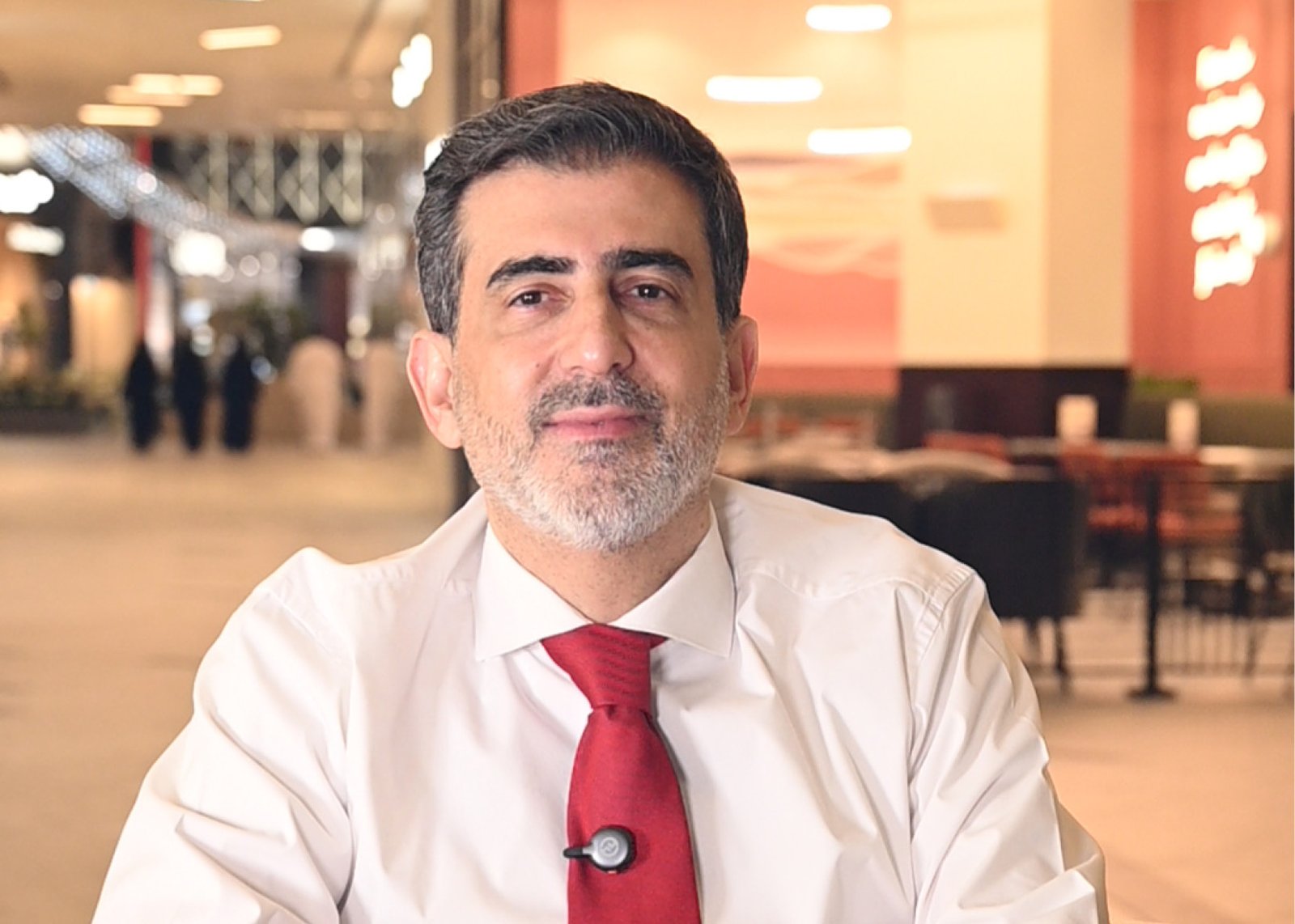
Investment leader Samer Choucair stated that the report issued by JPMorgan, which documented damage to more than 60 energy facilities in the region, represented a strong signal of the fragility of energy infrastructure in conflict zones. Choucair added that loss estimates ranging between 34 and 58 billion dollars reflected an unprecedented level of direct impact of geopolitical tensions on global energy markets.
Losses Beyond Oil and Gas
Samer Choucair explained that the figures included in the report showed that the impact was not limited to oil and gas only, noting that about 50 billion dollars of the losses were concentrated in the core energy sector. Choucair added that the rest of the losses, estimated at about 5 billion dollars in the industrial, electricity, and desalination sectors, confirmed the widening scope of the impact to include critical infrastructure. Choucair pointed out that the change in estimates from 25 billion dollars to 58 billion dollars within a short period revealed the accelerating volume of damage before the ceasefire.
Geopolitical Repercussions Reshaping Energy Markets
Samer Choucair added that continued tensions in the Strait of Hormuz increased uncertainty in global energy markets, explaining that risks were not limited to production only, but extended to supply chains and global pricing. Choucair noted that this situation pushed investors to re-evaluate their dependence on high-risk areas and search for more stable alternatives. The investment leader emphasized that markets have already begun to reprice assets according to the standard of geopolitical stability and not just production efficiency.
Saudi Arabia and the Gulf.. The Center of Stability in the Global Energy Equation
Samer Choucair said that these developments strengthened the position of the Kingdom of Saudi Arabia as a major actor in global energy markets, explaining that in light of supply disruptions, the Kingdom emerged as a reliable supplier capable of meeting global demand with higher stability. Choucair added that the political and financial stability in the Gulf made the region a major attraction for capital seeking long-term safety. The investment leader pointed out that Vision 2030 supported this direction by diversifying the economy and reducing dependence on a single source of income.
Samer Choucair: Geopolitical Crisis Transforms into an Investment Opportunity
Samer Choucair explained that recent events confirmed that geopolitical crises do not only create risks, but also open strategic investment opportunities, explaining that every disruption in global energy was redirecting investments toward more stable markets. Choucair added that Saudi Arabia benefited from this shift by enhancing the attractiveness of the energy, infrastructure, and logistics sectors. The investment leader continued that global investors have begun to look at the Kingdom as a long-term destination and not just as an energy source.
Investment Opportunities in the Gulf Under Vision 2030
Samer Choucair said that investment trends for the year 2026 focused on a group of vital sectors as follows:
-
Renewable energy and green hydrogen as primary drivers for future growth.
-
Developing traditional energy infrastructure using more efficient and sustainable technologies.
-
The logistics and international trade sector as strategic connection hubs.
-
Technology and innovation as a fundamental pillar for economic transformation.
Choucair added that these sectors formed the backbone of Vision 2030 in its executive phase.
Investment Strategies for 2026
Samer Choucair said that investors moved increasingly toward diversifying their investment portfolios in light of these transformations, explaining that smart investment no longer depends on return only, but on the ability to resist geopolitical risks. Choucair added that opportunities in Saudi Arabia have become clearer with the expansion of major projects and the development of financial markets. The investment leader emphasized that the next phase requires a mix of investment in energy, technology, and infrastructure to achieve sustainable returns.
From Crisis to Global Economic Repositioning
Samer Choucair added that the JPMorgan report revealed that geopolitical crises have become a decisive factor in reshaping the global energy map. Choucair emphasized that Saudi Arabia succeeded in transforming its strategic location into an economic advantage in light of Vision 2030. He concluded by saying: “Investment opportunities have never been clearer than they are now, and investors who read this transformation early had secured their position in the future of the global economy.”