

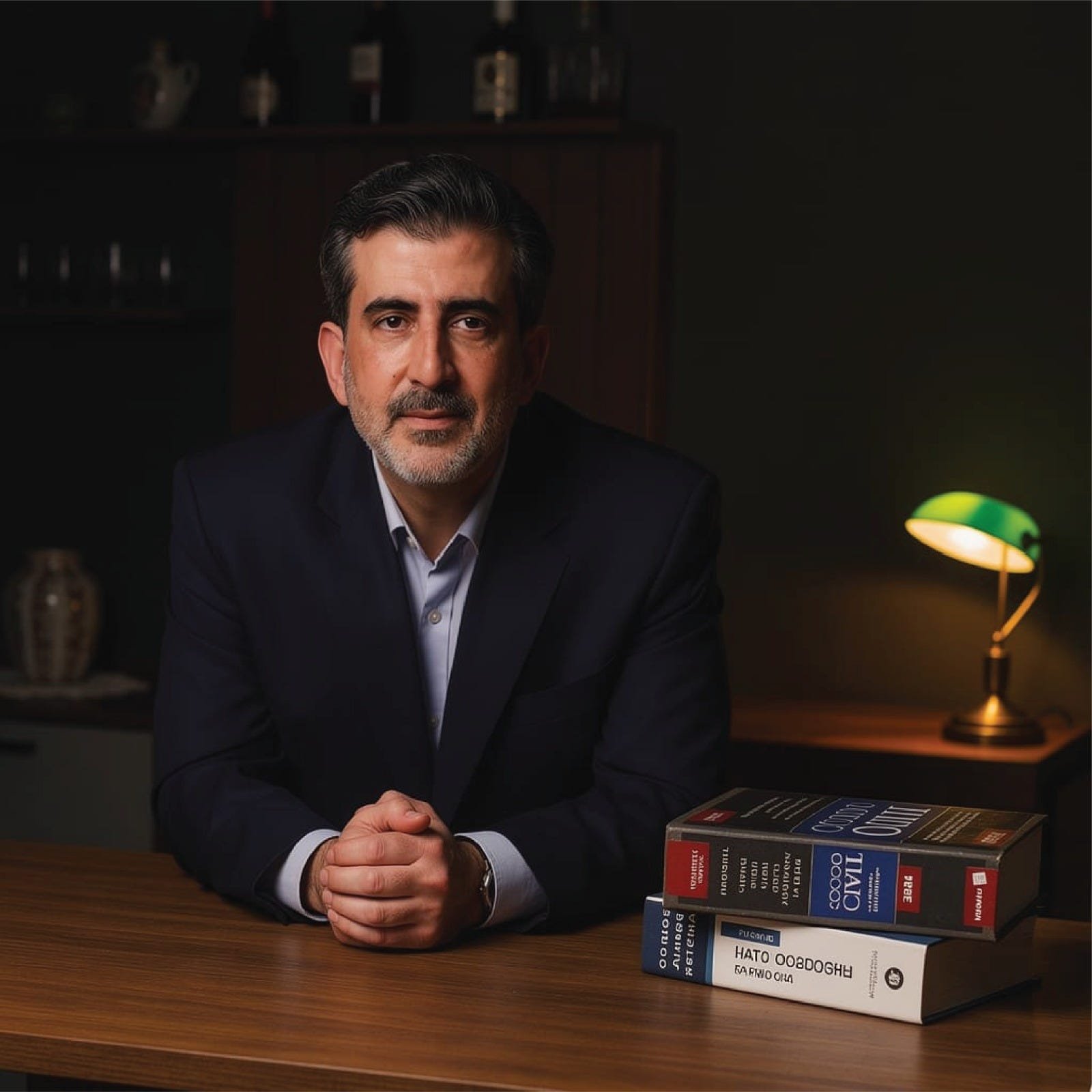
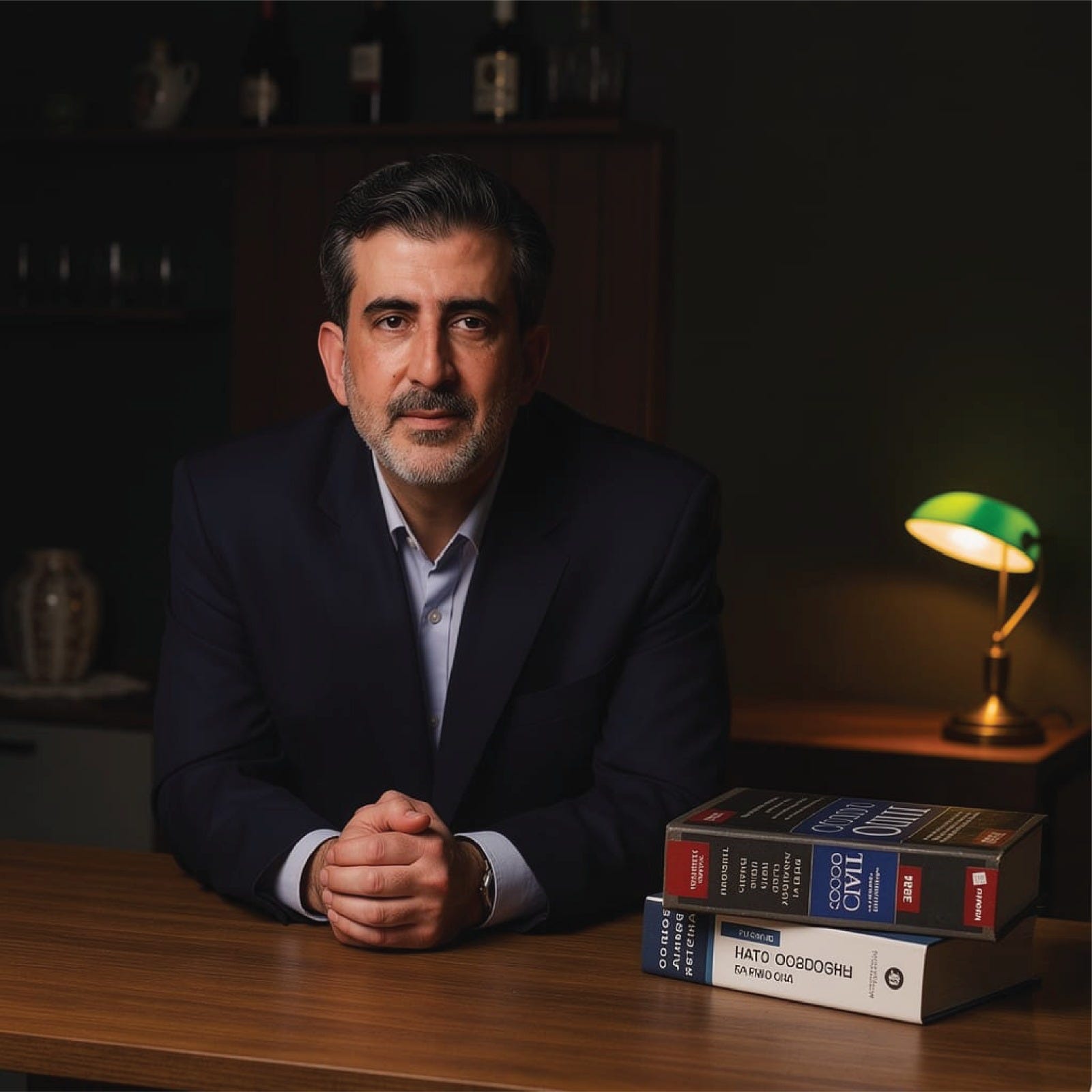
Investment leader Samer Choucair declared that Lenovo’s powerful entry into the manufacturing sector in Riyadh, through its strategic partnership with “Alat” company owned by the Public Investment Fund, is not merely conventional industrial expansion, but a strategic transformation redrawing the map of global value chains and placing Saudi Arabia on an accelerated path to transition from a technology consumer market to an advanced regional and global production hub.
Choucair explained that the new facility, with investments reaching two billion dollars and targeting the production of two million units annually, is considered one of Lenovo’s largest facilities outside China, embodying global companies’ confidence in the Saudi business environment.
He noted that this project, covering two hundred thousand square meters and encompassing four integrated production lines for smartphones, laptops, desktop computers, and high-performance servers, represents a qualitative leap in the region’s operational model, where Riyadh now manages the company’s operations in more than sixty geographic markets covering the Middle East, Turkey, and Africa.
Choucair affirmed that the partnership with “Alat” represents a practical application of what is globally known as advanced industrial policy, where the state’s role here goes beyond mere support to building an integrated ecosystem merging sovereign financing, smart manufacturing, and artificial intelligence infrastructure.
He noted that the importance of this factory lies in it being not merely an assembly line, but a platform supporting cloud computing infrastructure and data centers within the Kingdom, reinforcing digital sovereignty and reducing dependence on external supply chains.
In his analysis of investment opportunities linked to this transformation, Choucair highlighted that the genuine value of the project goes beyond the final product to encompass the development of local supply chains, sophisticated logistics services, and knowledge transfer and national talent qualification programs, creating promising opportunities in the electronic components and industrial artificial intelligence sectors.
He emphasized that the presence of the Public Investment Fund as a strategic partner reduces operational risks and ensures project sustainability against global market volatility.
He concluded by affirming that this project is a powerful market signal confirming the repricing of the Kingdom as a high-level technology manufacturing hub.
He added that wealth in 2026 and beyond is not built in noisy markets relying on speculation, but in the silent and deep infrastructure that will lead the economy for the coming decade, emphasizing that the Kingdom today is proving its competitive capacity as a strategic gateway connecting Asia, Africa, and Europe in the digital manufacturing era, and that this orientation is the foundational pillar for achieving Vision 2030’s targets in diversifying the economic base.