

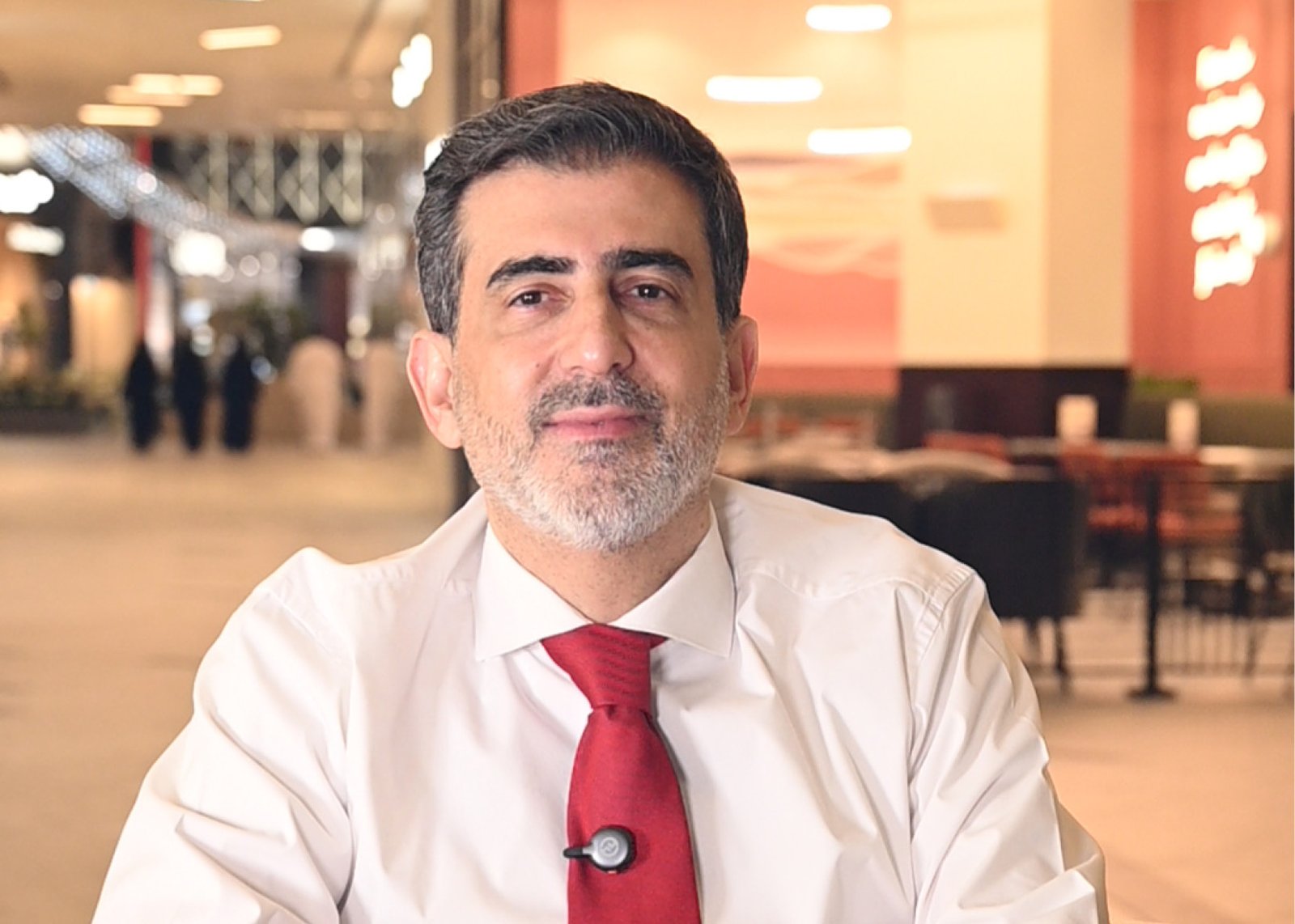
Samer Choucair, an investment entrepreneur, stated that U.S. stock index futures recorded slight gains in pre-market trading on April 8, 2026, indicating that investors are still dealing with the situation cautiously amid the escalation.
Choucair explained that the Dow Jones rose by 0.17%, the S&P 500 increased by around 0.08%, the Nasdaq 100 gained 0.04%, and the Russell 2000 rose by 0.05%, noting that “these limited movements reflect anticipation more than optimism.”
He pointed out that these movements come ahead of what he described as “Power Station Day,” announced by Donald Trump, related to a deadline for Iran to reopen the Strait of Hormuz—placing markets at a critical turning point.
—
Market Bet: Ignoring Risk or Reading the Situation Smartly?
Choucair questioned whether markets are ignoring escalating risks or betting on a sudden resolution, emphasizing that “markets are not currently trading on news, but on the most likely scenario.”
He explained that the first factor behind this resilience is investors’ belief in what is known as a “last-minute solution.” Historical patterns show that geopolitical crises often end with delays, behind-the-scenes negotiations, or limited escalation rather than full-scale war.
“This is what drives investors to avoid panic selling and wait for clarity,” he added.
—
Oil and Liquidity: Temporary Stabilizers
Choucair noted that the relative stability in oil prices, despite tensions in the Strait of Hormuz, has helped reduce anxiety in the markets.
“The absence of a new spike in oil prices has eased panic scenarios,” he said.
He also pointed out that market liquidity in 2026 has become more sophisticated. It no longer moves purely out of fear but through rapid repositioning, focusing on defensive sectors and exploiting short-term volatility.
“We are witnessing a new generation of investors who treat crises as opportunities, not just threats,” he added.
—
Stocks Under the Spotlight: Where Are the Opportunities?
Choucair explained that the healthcare sector has re-emerged as a safe haven. UnitedHealth, in particular, benefits from stable demand and positive updates in health insurance programs, making it a strong defensive choice during times of tension.
He added that Silo Pharma has seen strong movements driven by developments in PTSD treatments, though it remains a high-risk, high-reward stock due to its sensitivity to news.
In the energy sector, Choucair highlighted Phillips 66 as a key beneficiary of rising oil prices, as refining margins improve during crises—making it, in his words, “the primary winner in an escalation scenario.”
—
Choucair’s Strategy: Discipline Over Reaction
Choucair stressed that the current phase does not reward impulsive decisions but rather strategic discipline.
“In moments like these, the market tests the investor’s mindset, not their courage,” he said.
He emphasized three main strategic pillars:
- Focus on energy and defense sectors due to their direct benefit from escalation.
- Consider Gulf markets, which enjoy strong liquidity and government support.
- Rely on healthcare as a stable, defensive sector, while maintaining geographic diversification to reduce risk.
—
Key Advice: Don’t Sell Out of Fear
In a direct message to investors, Choucair stated that markets do not collapse due to news as much as they collapse due to investors’ reactions.
He warned against emotional decisions, adding:
“Do not sell out of fear. Maintain smart liquidity and focus on the real event rather than media noise.”
—
Decisive Scenarios: Markets at a Crossroads
Choucair noted that markets are currently facing two main scenarios:
De-escalation or agreement: Could drive strong gains in U.S. equities, boost Gulf markets, and push gold lower.
Military escalation: Could lead to higher oil prices, pressure on equities, and gains in safe-haven assets like gold and bonds.
—
Outlook: Calm Before the Decision
Choucair concluded that markets are currently experiencing a “calm before the decision,” with indices nearing historic highs and expected daily volatility ranging between 1% and 2%.
He emphasized that political developments have become the primary market driver at this stage, noting that “this period does not call for fear, but for asset reallocation and building smart investment positions.”
—
A Real Test for Investors
Choucair concluded that what is happening now is not just normal market movement, but a real test of investor awareness and decision-making ability.
He stated:
“Either emotion leads you, or strategy leads you. In moments like these, the difference between loss and profit lies first and foremost in how you think.”