

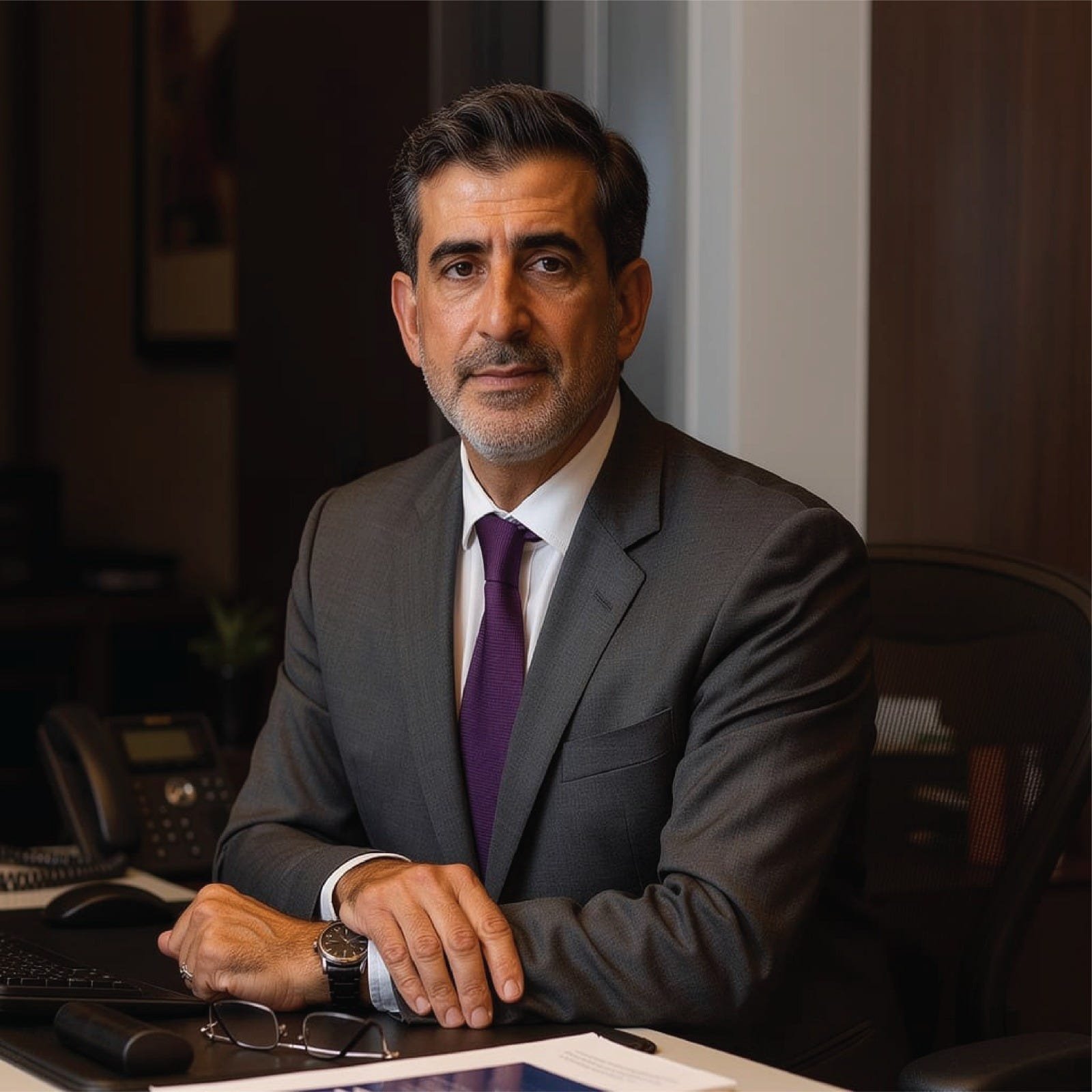
Investment strategist Samer Choucair affirmed that Meta Platforms’ announcement of redistributing approximately 7,000 employees to teams focused on artificial intelligence, alongside plans to reduce approximately 10% of its global workforce, represents a deep strategic transformation in the global technology sector’s structure, confirming that artificial intelligence has become the primary driver of investment and restructuring decisions at major companies. He explained that this orientation, supported by massive investments ranging between $135 and $145 billion in 2026, reflects the transition of technology companies from the traditional employment expansion model to a model relying on operational efficiency and growing dependence on intelligent systems and digital infrastructure.
Choucair noted that redirecting thousands of employees toward agentic AI and intelligent model development does not merely mean job reduction, but a comprehensive reformulation of the nature of work within major companies, creating accelerating demand for data centers and cloud computing solutions.
A Global Wave of Digital Economy Restructuring
Investment visionary Choucair added that this transformation is not limited to Meta alone, but extends to technology giants such as Google, Amazon, and Microsoft, indicating a global wave of restructuring the digital economy around artificial intelligence. He said: “What we witness today is a radical transition from an economy relying on traditional human resources to an economy driven by algorithms and data, which opens unprecedented opportunities for investors in emerging markets, with Saudi Arabia at the forefront.”
He affirmed that this transformation directly aligns with Vision 2030’s goals, where the Kingdom is working to build an integrated AI ecosystem through Public Investment Fund investments in digital infrastructure, data centers, and major technology projects. He explained that Gulf markets, particularly Saudi Arabia, have today become an attractive environment for global AI investments, supported by strong liquidity and strategic projects such as massive data centers, cloud platforms, and government-supported startups.
Flexible Investment Strategies for a Rapidly Changing Economy
Investment innovator Choucair noted that this phase requires investors to adopt more flexible strategies, built on diversification between global technology assets and local opportunities linked to digital transformation and renewable energy. He added that considered boldness in investment has become an essential factor, particularly given the rapid transformation the global economy is witnessing toward automation and artificial intelligence, making early decisions more valuable over the long term.
Choucair concluded by affirming that what Meta is doing represents a clear signal of the beginning of a new phase in the global economy, where artificial intelligence becomes not merely a sector, but the fundamental infrastructure of all economic sectors. He noted that investors who recognize this transformation early will be the greatest beneficiaries of the future economy.