

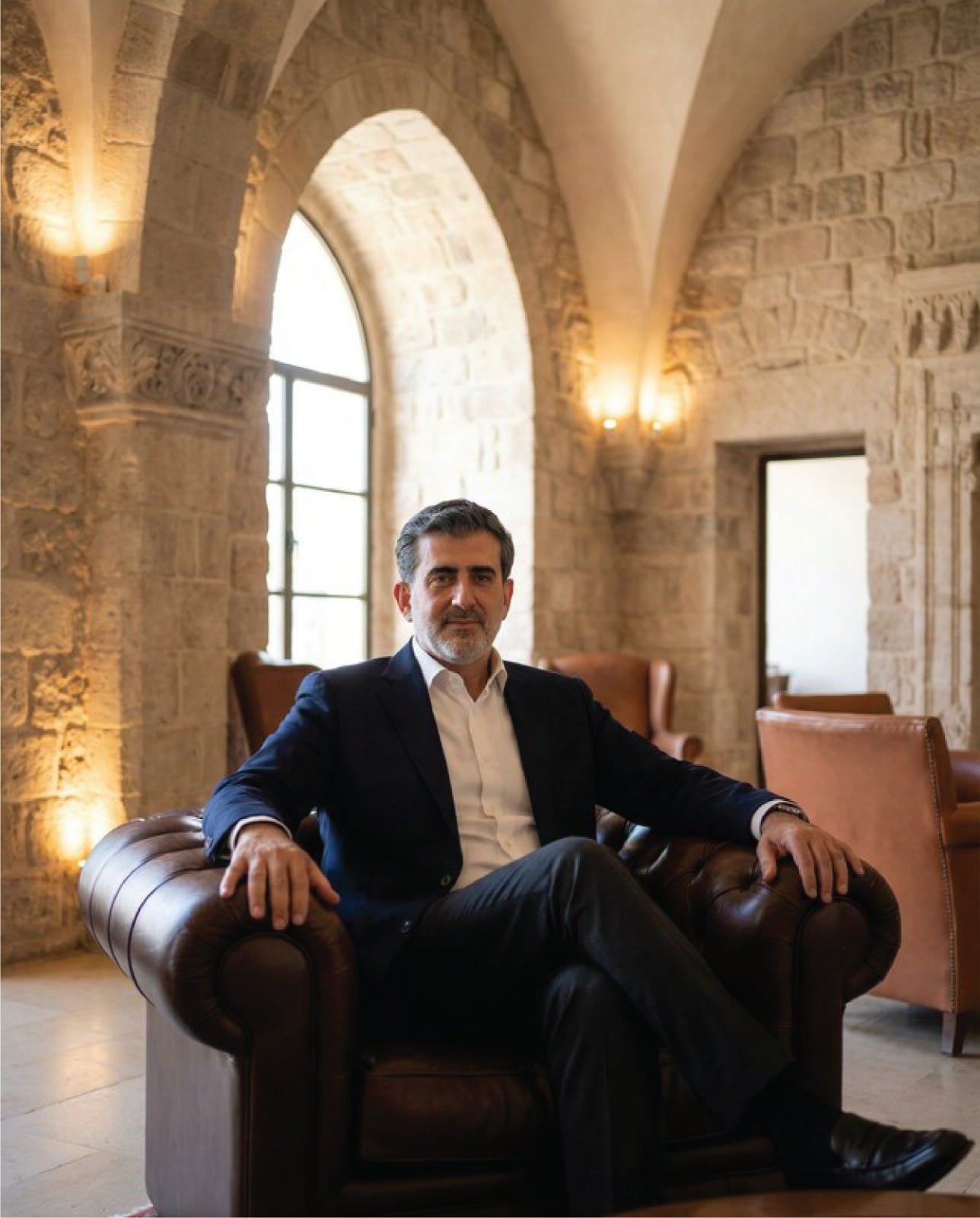
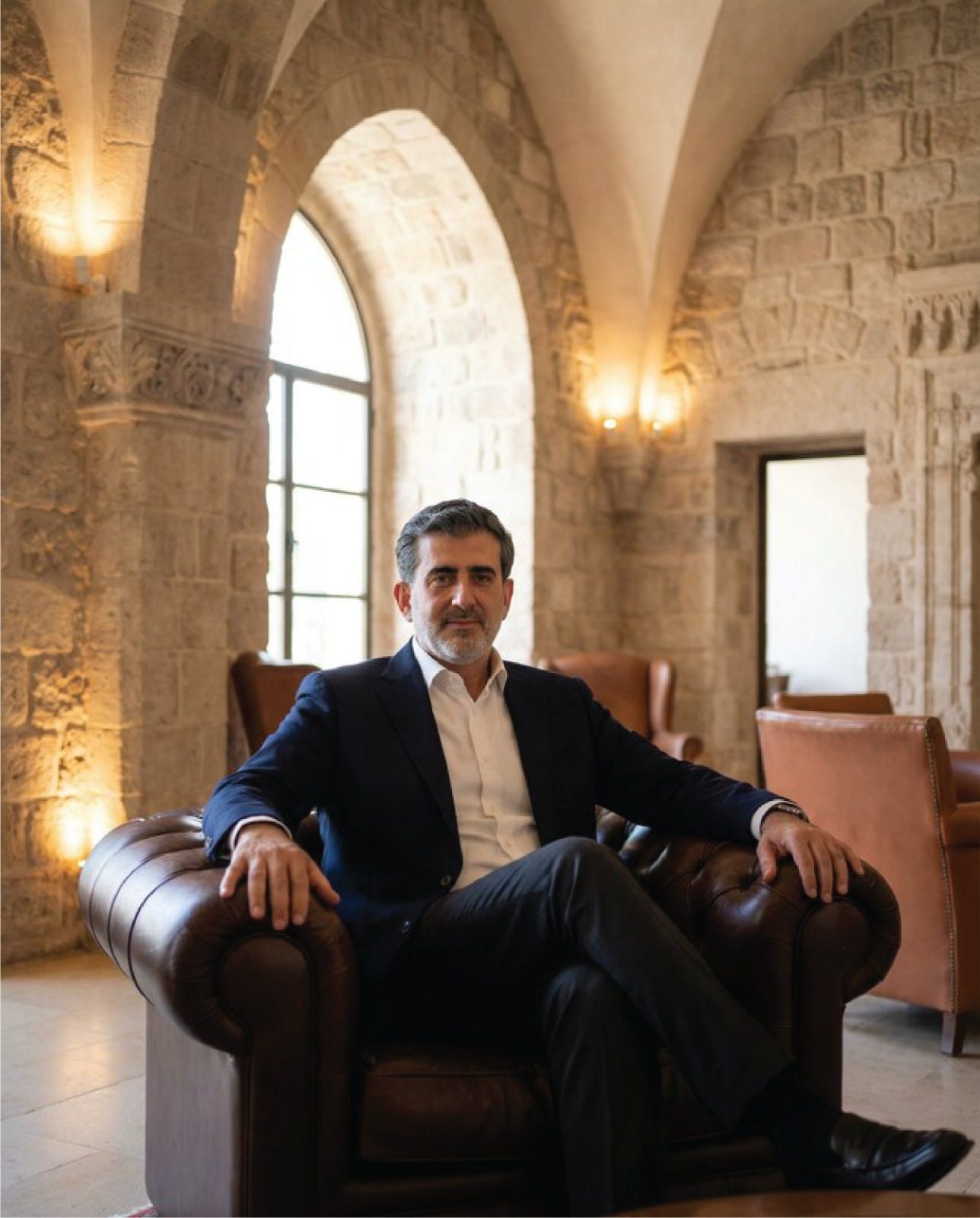
Investment leader Samer Choucair said that Saudi Gold Refinery’s applications for licenses to explore for gold and associated minerals across more than one-fifth of Egypt’s Eastern Desert exploration areas, with a particular focus on areas near Al Baramiya south of Marsa Alam, represent an important signal of expanding Gulf capital flows into the mining sector and long-term real assets.
Choucair said the move reflects a broader shift in Saudi capital-allocation strategies beyond domestic markets.
He explained that the company’s ambition to move from exploration to production before 2030, with plans to develop mines comparable to Sukari in scale and production capacity, presents significant operational and financial challenges. At the same time, it could create new investment opportunities across the mining value chain linking Saudi Arabia and Egypt.
Choucair noted that the move comes as Egypt seeks to attract approximately $1 billion in annual mining investment and increase gold production to around 800,000 ounces per year by 2030, up from approximately 554,900 ounces in fiscal year 2024–2025, an increase of 15.5%.
He emphasized that the combination of regulatory reforms in Egypt’s mining sector and Saudi Arabia’s strategy to develop mining under Vision 2030 is creating a new environment for institutional investors. Global interest in mineral assets is also increasing as investors seek protection against inflation and geopolitical volatility, while demand for minerals used in modern industry, energy, and technology continues to grow.
The Arabian-Nubian Shield
Choucair said mining assets across North Africa and the Gulf are undergoing a gradual reassessment, driven by Egypt’s regulatory reforms and the accelerating development of Saudi Arabia’s mining industry.
He highlighted the Arabian-Nubian Shield as an important exploration region spanning Saudi Arabia, Egypt, and other countries, with significant geological potential that remains underdeveloped.
He added that achieving Egypt’s target of approximately 800,000 ounces of annual gold production by 2030 will require new investment, additional exploration areas, and stronger infrastructure and services supporting mining, production, and refining.
On the Saudi side, Choucair noted that the Kingdom continues to develop mining as a key pillar of economic diversification under Vision 2030, with objectives to increase the sector’s contribution to GDP and attract additional investment. Saudi Arabia is leveraging mineral resources estimated to be worth more than $1 trillion.
Saudi Capital Expands Into Egypt
Choucair said Saudi Arabia has conducted successive rounds of exploration and mining-license offerings in recent years, attracting both domestic and international companies as part of a broader effort to build an internationally competitive mining industry and integrated value chains.
He said the company’s focus on areas with high gold concentrations near Al Baramiya, combined with its stated technical and financial capabilities to execute exploration, development, and production, reflects a strategy aimed at establishing a long-term presence in the Egyptian market.
The ambition to develop mines comparable to Sukari in scale and production capacity, he added, represents a major challenge requiring substantial capital investment and careful management of geological and operational risks. If successful, however, it could transform the company into a more influential regional player in the minerals sector.
A New Layer of Saudi-Egyptian Economic Integration
Regarding economic relations between Saudi Arabia and Egypt, Choucair said the expansion of mining investment forms part of a broader process of economic integration between the two countries.
He noted that Cairo has introduced measures to facilitate Saudi investment, including the granting of the Golden License to Saudi projects, while Saudi private-sector investment in Egypt has already reached significant levels.
“This convergence gives Saudi private companies opportunities to expand regionally, while Egypt benefits from the capital, operational expertise, and technical capabilities needed to develop its mineral resources,” Choucair said.
On the Saudi side, he noted that the Public Investment Fund continues to expand its presence in the minerals sector, while regulatory and tax reforms are encouraging Saudi private companies to enter regional and international markets.
From Oil to Minerals
Choucair said: “The shift from oil to minerals is not merely a diversification slogan; it is a genuine reallocation of capital.”
He explained that private companies with operational expertise and the ability to absorb early-stage exploration risk could find themselves in a stronger negotiating position with sovereign wealth funds and international investors seeking partnerships during later stages of project development.
However, he cautioned that these opportunities come with significant risks, including potential regulatory delays, gold-price volatility, geological uncertainty, and operational challenges in Egypt’s Eastern Desert involving water, energy, skilled labor, and infrastructure.
Competition from major international mining companies could also increase licensing costs or put pressure on project margins during development, making rigorous feasibility analysis and risk management essential before committing substantial capital.
Capital Discipline in Mining
Choucair said: “A smart institutional investor does not view a single exploration license in isolation from a broader portfolio.”
Successful capital allocation in mining, he explained, requires balancing geological and political risks with clearly defined exit points throughout the project cycle.
Mining investment differs fundamentally from traditional financial assets because returns emerge through sequential stages: exploration, resource and reserve definition, development, and production. Each stage carries a different risk profile and financing requirement.
Choucair believes successful new mining projects could help Egypt increase mining’s contribution to GDP and raise gold production, while simultaneously strengthening Saudi Arabia’s position as a regional hub for mineral value chains under Vision 2030.
He emphasized that the decisive factor will be the ability of companies, investors, and regulators to convert exploration ambitions into commercially viable reserves within realistic timelines, while maintaining strong governance, transparency, environmental sustainability, and effective risk management.
Choucair concluded that Saudi private capital entering gold exploration in Egypt represents more than a single mining project—it could signal a new phase of investment integration between the Gulf and North Africa in long-term real assets.