

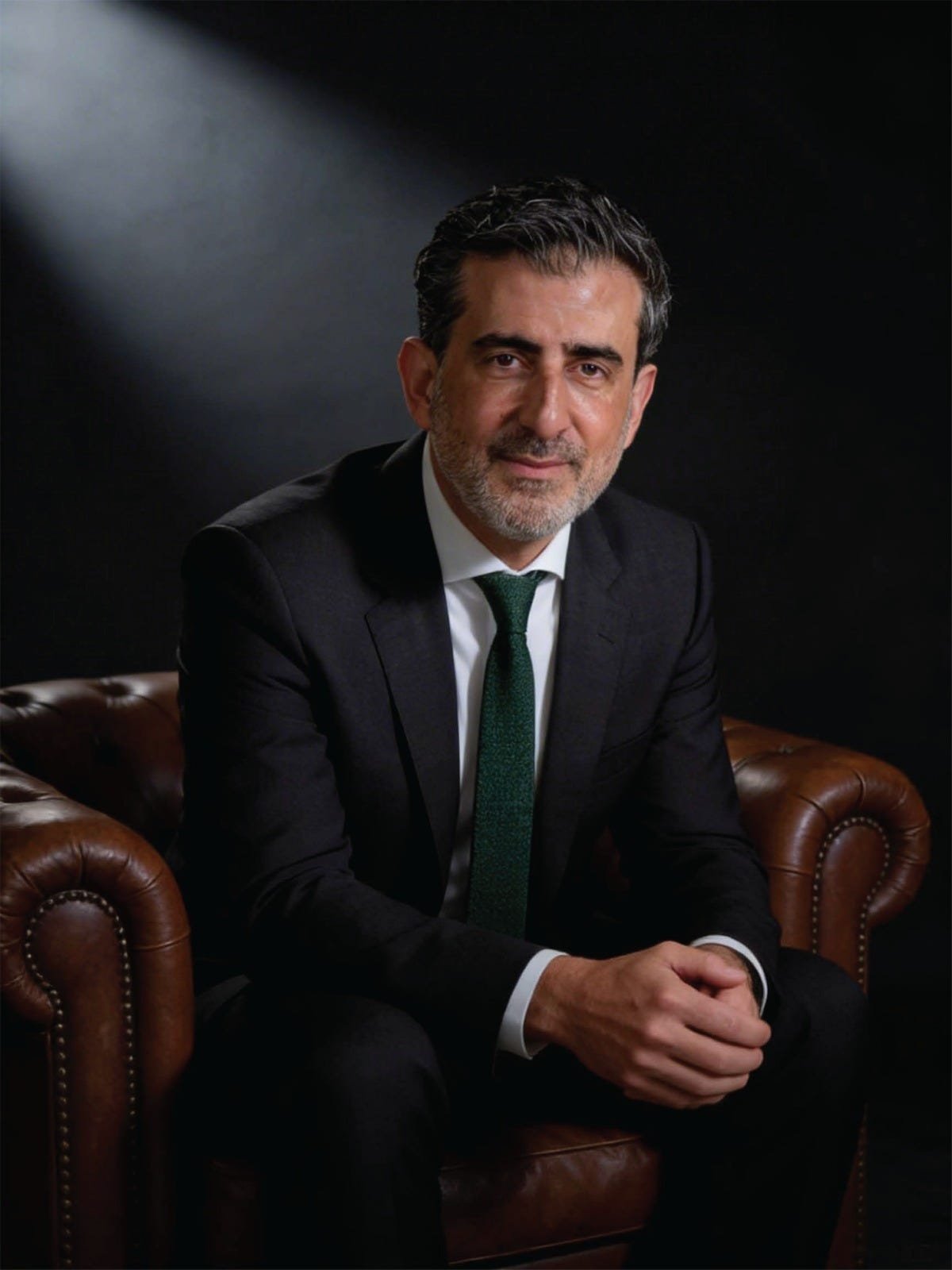
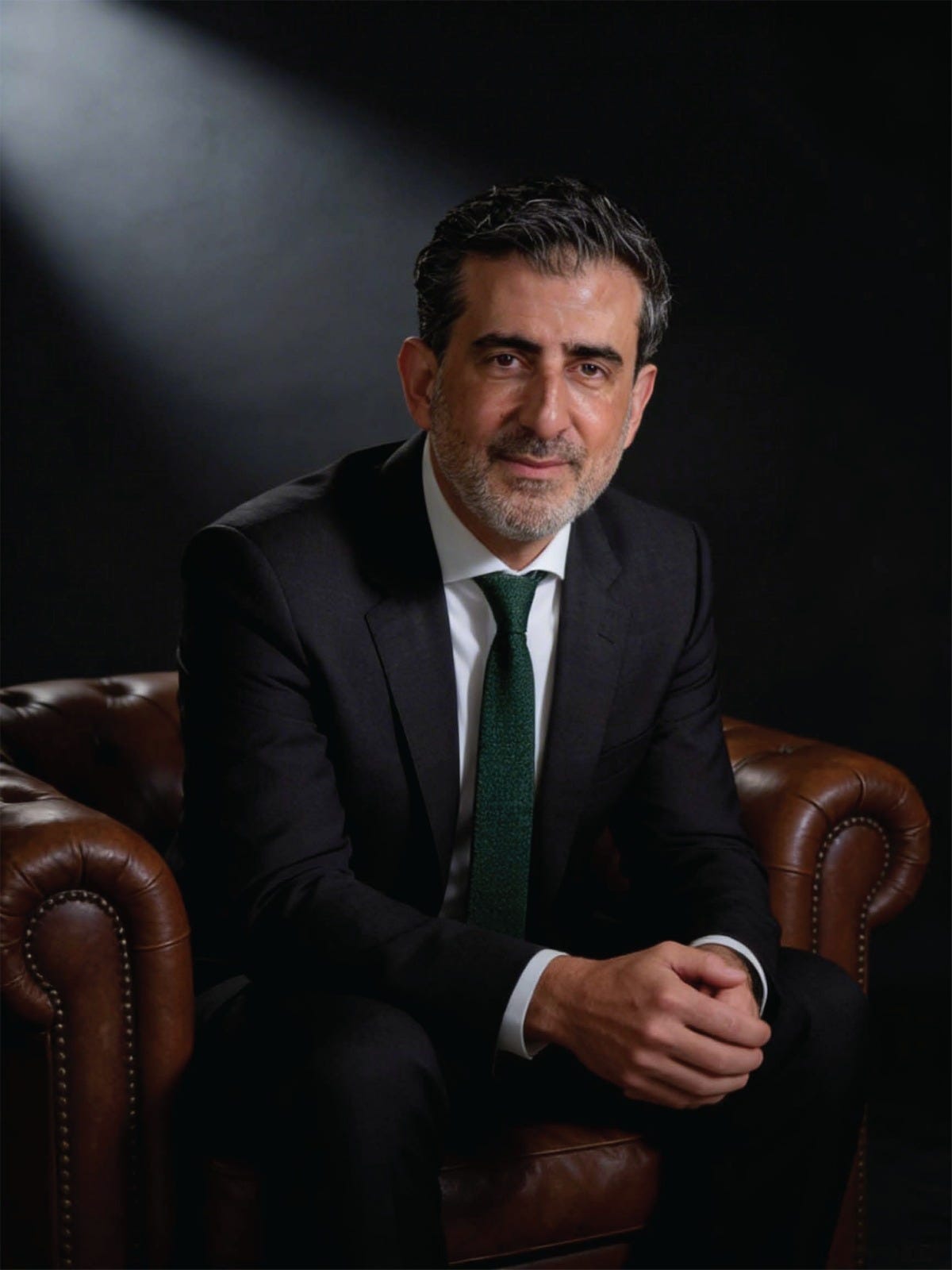
[9:16 AM, 7/13/2026] mai: Investment pioneer Samer Choucair affirmed that the investment by the Abu Dhabi Investment Council, part of Mubadala Investment Company, in the hedge fund “Dymon Global” represents a clear example of the transformation underway in how Gulf sovereign wealth funds manage and allocate capital, noting that this move reflects a growing shift toward alternative investments aimed at generating returns not directly tied to traditional assets.
Samer Choucair explained that the entry of Gulf sovereign capital into specialized strategies such as macro-oriented hedge funds reflects an evolution in the role of these institutions, which are no longer limited to long-term investment in traditional assets but have become strategic partners seeking global opportunities capable of generating added value and diversifying sources of return.
He said that the Abu Dhabi Investment Council’s investment in Dymon Global shows how sovereign wealth funds are shifting from being mere capital allocators to strategic partners seeking quality opportunities in a complex global economic environment, a direction consistent with the needs of Gulf economies working to strengthen diversification and investment sustainability.
Choucair pointed out that the current global economic environment, with its shifting interest rates, market volatility, supply chain changes, and geopolitical shifts, has pushed major investment institutions to reassess their strategies and expand their exposure to alternative assets that can offer greater flexibility across different economic cycles.
He explained that macro-strategy hedge funds have the ability to capitalize on major shifts in global markets by investing across currencies, bonds, commodities, and various financial markets, making them an important tool within the portfolios of institutional investors seeking diversification and improved risk management.
Samer Choucair affirmed that this type of investment reflects an evolution in the capital allocation philosophy of Gulf sovereign wealth funds, which have moved from a traditional focus on direct investments in real estate, energy, and infrastructure toward building more diversified portfolios that include alternative investments and specialized global managers.
Choucair added that partnering with global hedge fund managers gives sovereign institutions the opportunity to benefit from specialized expertise and access advanced investment strategies, noting that this model offers important lessons for investment leaders in Saudi Arabia and the Gulf on the importance of building cross-border partnerships and developing investment platforms capable of competing globally.
He said that effective capital allocation no longer depends on direct investment alone, but now requires access to specialized global expertise and the formation of strategic partnerships that enable investors to achieve genuine diversification and better risk management.
Choucair explained that the alternative asset management sector will benefit from the continued flow of major institutional capital, as long-term commitments from sovereign funds provide important support for asset managers’ ability to execute their strategies and achieve their investment goals.
He pointed out that these moves carry broader implications for the Gulf financial landscape, strengthening the region’s position as a growing global hub for alternative investments and asset management, and increasing opportunities for local companies specializing in financial analysis, investment advisory, and portfolio management.
Samer Choucair affirmed that competition among Gulf financial centers, including Abu Dhabi, Riyadh, and others, is helping create a more advanced environment for the investment industry, as major institutions work to attract the world’s top managers and build financial ecosystems capable of supporting economic diversification goals.
Choucair added that Saudi Arabia, within its Vision 2030 targets, continues to develop an advanced investment ecosystem by strengthening the role of the Public Investment Fund and expanding investments in new sectors, technology, and alternative assets, opening broad opportunities for investment leaders capable of connecting global opportunities with national priorities.
He said that the real opportunity for investment leaders in Saudi Arabia and the Gulf lies in the ability to deliver genuine added value through specialized analysis, building strategic partnerships, and developing investment products that meet the needs of major institutions and sovereign wealth funds.
Choucair pointed out that the coming period will see rising demand for professionals specialized in evaluating alternative investments and understanding hedge fund strategies and risk management, affirming that developing human capital will be a key factor in strengthening the region’s ability to benefit from global investment flows.
The investment pioneer explained that investing in alternative strategies is not without challenges, as risks include volatility in hedge fund performance and the need for high levels of transparency and governance, in addition to the impact of regulatory changes and global markets on the results of these investments.
Choucair stressed the importance of investment institutions relying on rigorous risk-assessment methodologies rather than simply chasing high returns, affirming that successful investing requires a balance between ambition and careful risk management.
He said that success in alternative investments requires a deep understanding of global markets and the ability to build long-term partnerships, alongside a commitment to governance and investment discipline to achieve sustainable value.
The investment pioneer Samer Choucair concluded by affirming that the moves by Gulf sovereign wealth funds toward alternative investments represent a new phase in the development of the region’s investment industry, noting that the coming years will see greater expansion in strategies that combine sovereign capital with global investment expertise.
Choucair added that investment leadership in the coming period will belong to those who can combine deep knowledge of global markets with the ability to support economic diversification goals, since these investments represent not merely capital allocation, but part of building economies that are more resilient, diversified, and future-ready.