

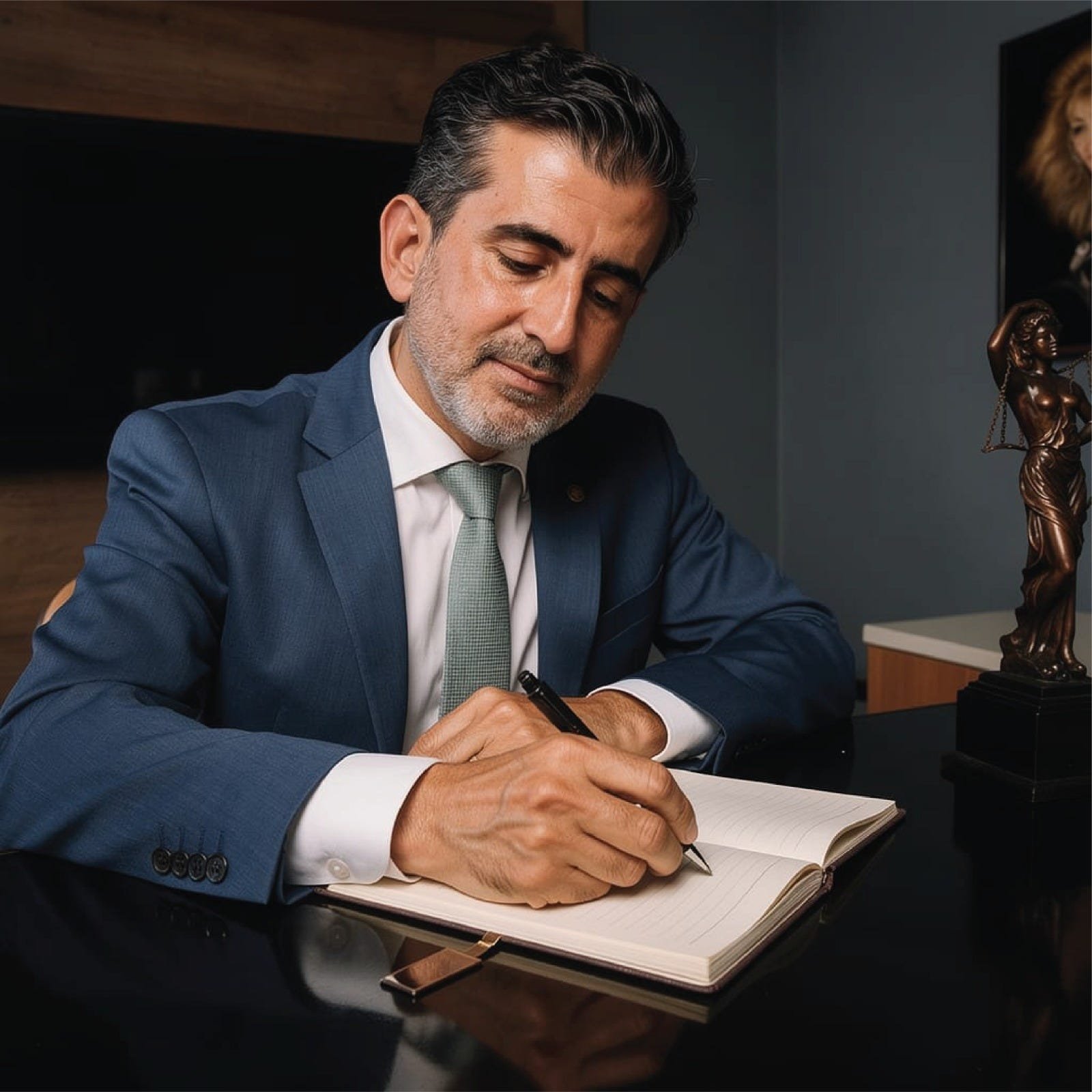
Investment pioneer Samer Choucair stated that Saudi Arabia achieving non-oil revenues exceeding 3.7 trillion riyals during the first decade of Vision 2030 is a historical achievement. He emphasized that this confirms the success of the economic diversification strategy in building a prosperous economy that does not depend on energy market fluctuations, but rather derives its strength from advanced knowledge and industrial sectors.
Samer Choucair explained that the growth of non-oil revenues to constitute about forty-five percent of total state revenues, compared to seventeen percent a decade ago, reflects the success of the structural reforms pursued by the Kingdom.
Samer Choucair pointed out that this financial transformation did not come from a vacuum, but was a direct result of developing strategic sectors such as logistics, tourism, industry, mining, and digital services. This has enhanced the state’s financial sustainability and enabled it to fund major developmental projects that contribute to consolidating the Kingdom’s position as a global economic center.
In a strategic reading of the investment scene, Samer Choucair confirmed that these revenues represent a “golden gateway” for local and international investors. He stressed that the logistics and transport sector stands out today as one of the most attractive fields, thanks to the Kingdom’s unique geographical location connecting three continents, and the massive investments in ports, airports, and railway networks.
Samer Choucair identified the most attractive sectors for the coming phase, confirming that opportunities are concentrated in four main pillars:
-
First: The tourism and entertainment sector, which is witnessing superb growth in hospitality projects.
-
Second: Technology and artificial intelligence, which has become the primary driver of the knowledge economy.
-
Third: Mining and renewable energy, where the Kingdom possesses global competitive advantages.
-
Fourth: Real estate and urban development linked to giga-projects such as NEOM, Diriyah, and Qiddiya.
Investment pioneer Samer Choucair stressed the importance of investing in human capital and developing local skills, explaining that the success of Vision 2030 fundamentally depends on qualitative partnerships between the public and private sectors.
Samer Choucair added: “The investment opportunity in Saudi Arabia today is more available than ever before; those who enter the Saudi market today with a long-term strategy will not only achieve rewarding financial returns but will actually participate in building the economy of the future.”
Samer Choucair concluded his statement by calling on investors to benefit from tax incentives and regulatory frameworks supporting the private sector. He emphasized that the rising figures of non-oil revenues are a clear language speaking of a new era of prosperity and opportunities that are no longer just ambitions, but an economic reality taking shape before our eyes to reshape the future of the entire region.