


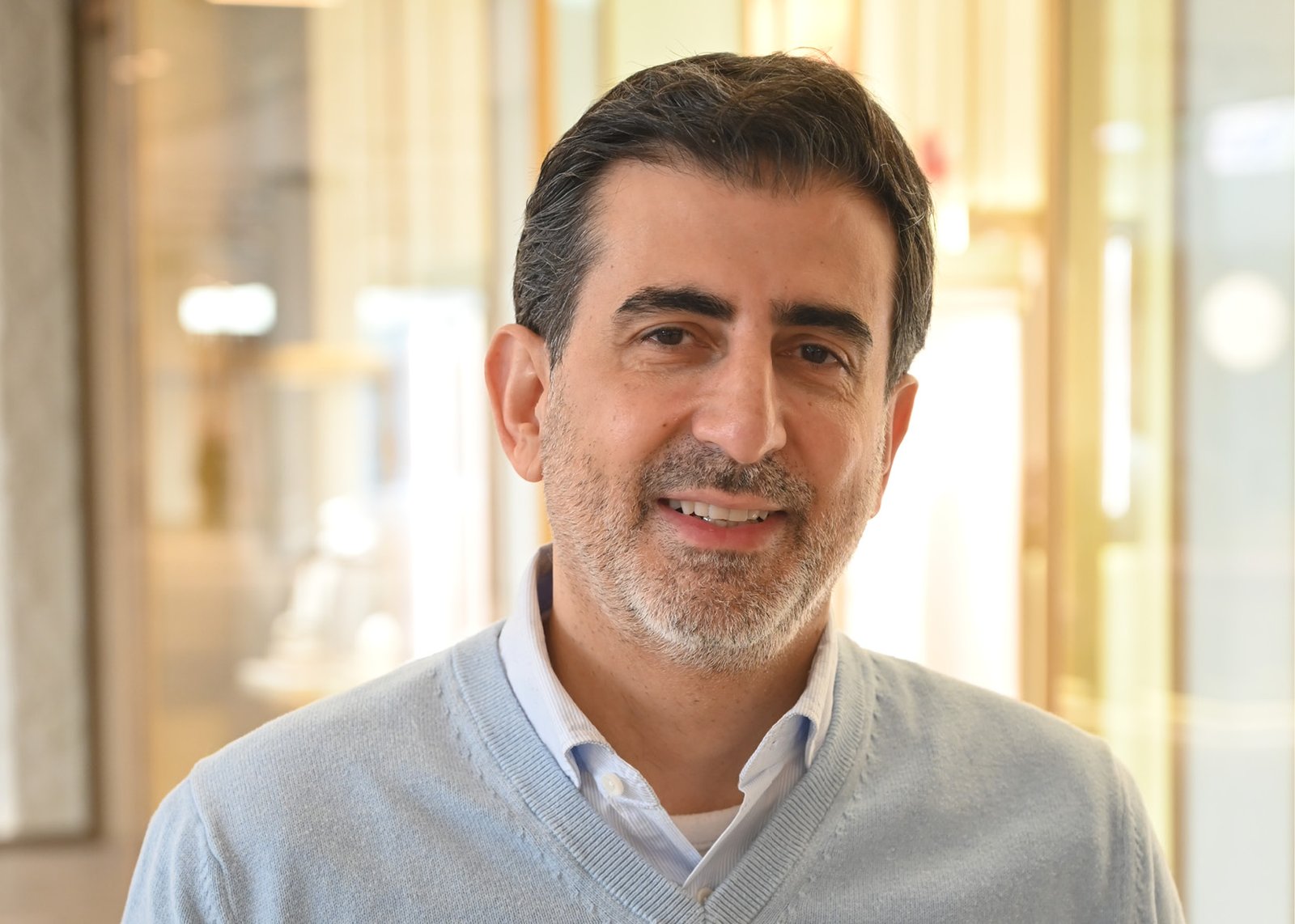
Investment leader Samer Choucair asserts that Federal Reserve Chair Jerome Powell’s recent praise of the late Paul Volcker represents far more than a ceremonial acknowledgment. It constitutes a clear reaffirmation of monetary policy independence at a time of intensifying political pressure from the Trump administration.
According to Choucair, Powell’s decision to accept the Paul Volcker Award for Public Service at this juncture delivers a decisive message to global markets. The Federal Reserve remains firmly committed to policy discipline and will not yield to political demands for premature rate cuts. Instead, it signals a willingness to uphold the legacy of Volcker, who decisively confronted inflation in the 1980s despite significant economic and political costs.
—
From the Volcker Shock to Powell’s Test of Credibility
Choucair highlights the strong parallels between Volcker’s historic tightening cycle and Powell’s current policy stance. Volcker raised interest rates to 21.5 percent to counter inflation exceeding 14 percent, enduring intense political resistance and public backlash. Today, Powell faces comparable pressure, yet continues to maintain a stable interest rate range between 3.50 percent and 3.75 percent despite ongoing scrutiny and calls for monetary easing.
Choucair emphasizes that Powell fully recognizes a fundamental principle of monetary policy. Short term economic discomfort is often the necessary cost of achieving long term macroeconomic stability. This doctrine, rooted in Volcker’s legacy, remains central to preserving market confidence.
—
Why Federal Reserve Independence Matters for Saudi Investors
Choucair underscores that Federal Reserve independence is not merely a U.S. domestic issue but a cornerstone of Saudi economic security. The Saudi riyal has been pegged to the U.S. dollar at 3.75 since 1986, making the Kingdom’s monetary framework closely aligned with Federal Reserve policy.
He identifies four key areas of impact:
Purchasing Power Stability
The alignment between the Saudi Central Bank and the Federal Reserve ensures predictable monetary conditions and supports low inflation, typically maintained below 3 percent. This stability preserves domestic purchasing power.
Support for Vision 2030 Objectives
A stable dollar protects the global valuation of Saudi sovereign assets, including those held by the Public Investment Fund and Saudi Aramco. This stability is critical for advancing long term diversification strategies.
Financing Efficiency for Mega Projects
A disciplined and economically grounded interest rate environment allows large scale projects such as NEOM and Qiddiya to structure financing based on sustainable economic assumptions rather than short term monetary distortions.
Energy Market Stability
A strong and stable dollar mitigates excessive volatility in oil prices, enhancing the Kingdom’s ability to forecast revenues and manage fiscal planning with greater precision.
—
Investment Implications and Strategic Positioning
Choucair outlines several key implications for investors:
Banking Sector
Relatively elevated interest rates support stronger net interest margins for Saudi banks listed on Tadawul, reinforcing profitability across the sector.
Sovereign Debt Markets
Federal Reserve credibility enhances investor confidence in Saudi government bonds, positioning them as attractive instruments for stable yield generation.
Targeted Diversification
Investors should prioritize non oil sectors such as tourism and entertainment, which benefit directly from currency stability and improved import purchasing power.
—
Strategic Conclusion
Choucair concludes that the preservation of central bank independence in Washington directly translates into portfolio stability in Riyadh. He characterizes the current environment as the emergence of a new Volcker era, defined by monetary discipline and institutional credibility.
Within this context, Saudi Arabia stands in a particularly advantageous position. Its prudent policy framework and currency peg provide a stable foundation, enabling investors to navigate global uncertainty while capitalizing on long term structural opportunities.