

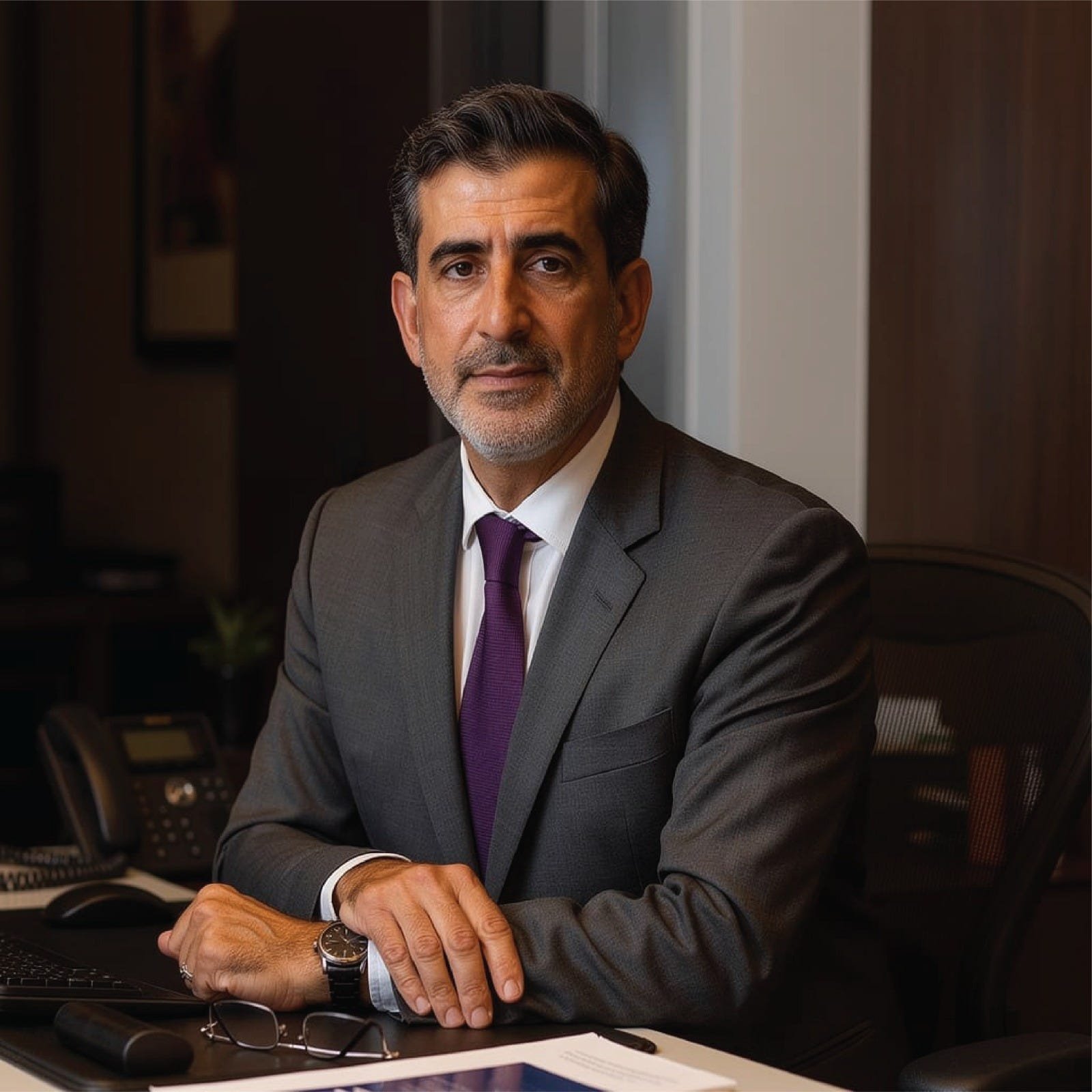
Investment entrepreneur Samer Choucair said that aerial footage showing the massive Gulf ports crowded with modern cargo cranes and oil tankers crossing the Strait of Hormuz reflected the importance of this strategic passage to the global economy and international supply chains.
Choucair explained that the Strait of Hormuz still represents one of the world’s most vital arteries for trade and energy, with roughly 20 million barrels of oil and petroleum products passing through it daily, equivalent to about 20% of global petroleum liquids consumption.
He added that recent geopolitical tensions, along with the temporary disruptions and rerouting of certain trade and energy flows that accompanied them, pushed many countries to reassess their logistics strategies, affirming that Saudi Arabia was among the most prominent beneficiaries of these shifts thanks to its long-term investments in transport and energy infrastructure.
He noted that these developments weren’t merely situational challenges, but provided an additional push to accelerate the implementation of strategic projects aimed at strengthening supply chain resilience and transforming the Kingdom into a global logistics hub under Vision 2030’s targets.
*The East-West Pipeline, A Model of Strategic Resilience*
Samer Choucair affirmed that Saudi infrastructure has, in recent times, proven its high capacity to adapt to regional and international shifts.
He explained that the East-West Pipeline, known as Petroline, has reached its full operating capacity of 7 million barrels per day, allowing large volumes of crude oil to be directed to the port of Yanbu on the Red Sea, away from the Strait of Hormuz.
He added that part of these volumes was used to supply refineries located on the Kingdom’s western coast, while the remainder was exported via safer, more stable maritime routes.
He noted that the importance of this shift isn’t limited to handling current conditions, but reflects a long-term strategic vision aimed at strengthening energy security and reducing reliance on a single maritime route, raising the efficiency and sustainability of the Saudi export system.
*The Saudi Landbridge, Connecting the Gulf to the Red Sea With Unprecedented Efficiency*
Samer Choucair said that the Saudi Landbridge project represents one of the most prominent strategic logistics projects set to reshape trade movement in the region in the coming years.
He explained that the project connects Arabian Gulf ports, chiefly Dammam and Jubail, with Red Sea ports including Jeddah, Yanbu, and King Abdullah Port, via a modern rail network spanning between 950 and 1,300 kilometers passing through Riyadh.
He added that estimates indicate the project will be capable of transporting more than 50 million tons of goods annually upon completion, helping reduce transit times and cut operational costs compared to traditional maritime or land routes.
He affirmed that the project falls within the National Transport and Logistics Strategy, which aims to raise the sector’s contribution to GDP to 10%, compared to roughly 6% currently, alongside strengthening the Kingdom’s position as a global logistics hub connecting Asia, Europe, and Africa.
He noted that these efforts complement port expansion projects, the establishment of integrated logistics zones, and the development of the national rail network, strengthening the Saudi economy’s long-term competitiveness.
*Geopolitical Challenges Created Quality Investment Opportunities*
Samer Choucair said he viewed the recent tensions in the Strait of Hormuz as a catalyst for strategic investment opportunities more than as merely an economic or logistical challenge.
He added that the resilience Saudi infrastructure demonstrated during periods of disruption proved the value of long-term investment in the transport and multimodal logistics sector.
He affirmed that the clarity of Vision 2030 and the state’s commitment to implementing major infrastructure projects gave local and international investors greater confidence in the future of the Saudi logistics sector.
*Reshaping Supply Chains Supports Logistics Sector Growth*
Samer Choucair explained that the shifts underway in global trade are pushing companies and governments to seek safer, more efficient, and more flexible transport routes.
He added that investors now face promising opportunities in railway, port, and smart logistics zone projects, whether through direct investment or via capital markets and institutional partnerships.
He noted that the restructuring of global supply chains will increase demand for advanced logistics centers, giving the Kingdom a competitive edge thanks to its geographic location and network of strategic projects.
*Logistics Technology Will Be the Next Growth Engine*
Samer Choucair affirmed that 2026 represents an important turning point in the future of the transport and logistics sector.
He explained that future investment opportunities won’t be limited to traditional infrastructure, but will extend to advanced logistics technology, automated warehouses, smart transport solutions, and digital systems that support efficient supply chain management.
He added that investors who adopt a long-term vision in these sectors will be well positioned to benefit from the continued shift toward the non-oil economy.
*Strategic Partnerships Will Lead the Next Phase*
Samer Choucair noted that the Saudi investment environment has become more capable of attracting global capital thanks to ongoing economic and legislative reforms.
He added that public-private partnerships will play a pivotal role in accelerating the implementation of major logistics projects, creating broad opportunities for local and international investors to participate in building an integrated transport system that supports sustainable economic growth.
He affirmed that the Kingdom isn’t approaching global shifts reactively, but is working to lead economic transformations through proactive investment in advanced infrastructure and logistics services.
*The Kingdom Cements Its Position as a Global Logistics Hub*
He concluded by affirming that Saudi Vision 2030 has succeeded in turning many regional and international challenges into investment opportunities that support long-term economic growth.
He added that the logistics and transport sector has become one of the most important strategic sectors capable of strengthening the Kingdom’s position as an economic bridge connecting East and West, offering promising opportunities in infrastructure, technology, and advanced logistics services.
He noted that investors who focus on tracking developments in the Saudi Landbridge project, Red Sea port expansions, and smart transport projects will be looking at exceptional growth oppor…
Samer Choucair: Rails, Ports, and Pipelines, Inside Saudi Arabia’s $50 Million Ton Logistics Vision
Investment entrepreneur Samer Choucair said that aerial footage showing the massive Gulf ports crowded with modern cargo cranes and oil tankers crossing the Strait of Hormuz reflected the importance of this strategic passage to the global economy and international supply chains.
Choucair explained that the Strait of Hormuz still represents one of the world’s most vital arteries for trade and energy, with roughly 20 million barrels of oil and petroleum products passing through it daily, equivalent to about 20% of global petroleum liquids consumption.
He added that recent geopolitical tensions, along with the temporary disruptions and rerouting of certain trade and energy flows that accompanied them, pushed many countries to reassess their logistics strategies, affirming that Saudi Arabia was among the most prominent beneficiaries of these shifts thanks to its long-term investments in transport and energy infrastructure.
He noted that these developments weren’t merely situational challenges, but provided an additional push to accelerate the implementation of strategic projects aimed at strengthening supply chain resilience and transforming the Kingdom into a global logistics hub under Vision 2030’s targets.
*The East-West Pipeline, A Model of Strategic Resilience*
Samer Choucair affirmed that Saudi infrastructure has, in recent times, proven its high capacity to adapt to regional and international shifts.
He explained that the East-West Pipeline, known as Petroline, has reached its full operating capacity of 7 million barrels per day, allowing large volumes of crude oil to be directed to the port of Yanbu on the Red Sea, away from the Strait of Hormuz.
He added that part of these volumes was used to supply refineries located on the Kingdom’s western coast, while the remainder was exported via safer, more stable maritime routes.
He noted that the importance of this shift isn’t limited to handling current conditions, but reflects a long-term strategic vision aimed at strengthening energy security and reducing reliance on a single maritime route, raising the efficiency and sustainability of the Saudi export system.
*The Saudi Landbridge, Connecting the Gulf to the Red Sea With Unprecedented Efficiency*
Samer Choucair said that the Saudi Landbridge project represents one of the most prominent strategic logistics projects set to reshape trade movement in the region in the coming years.
He explained that the project connects Arabian Gulf ports, chiefly Dammam and Jubail, with Red Sea ports including Jeddah, Yanbu, and King Abdullah Port, via a modern rail network spanning between 950 and 1,300 kilometers passing through Riyadh.
He added that estimates indicate the project will be capable of transporting more than 50 million tons of goods annually upon completion, helping reduce transit times and cut operational costs compared to traditional maritime or land routes.
He affirmed that the project falls within the National Transport and Logistics Strategy, which aims to raise the sector’s contribution to GDP to 10%, compared to roughly 6% currently, alongside strengthening the Kingdom’s position as a global logistics hub connecting Asia, Europe, and Africa.
He noted that these efforts complement port expansion projects, the establishment of integrated logistics zones, and the development of the national rail network, strengthening the Saudi economy’s long-term competitiveness.
*Geopolitical Challenges Created Quality Investment Opportunities*
Samer Choucair said he viewed the recent tensions in the Strait of Hormuz as a catalyst for strategic investment opportunities more than as merely an economic or logistical challenge.
He added that the resilience Saudi infrastructure demonstrated during periods of disruption proved the value of long-term investment in the transport and multimodal logistics sector.
He affirmed that the clarity of Vision 2030 and the state’s commitment to implementing major infrastructure projects gave local and international investors greater confidence in the future of the Saudi logistics sector.
*Reshaping Supply Chains Supports Logistics Sector Growth*
Samer Choucair explained that the shifts underway in global trade are pushing companies and governments to seek safer, more efficient, and more flexible transport routes.
He added that investors now face promising opportunities in railway, port, and smart logistics zone projects, whether through direct investment or via capital markets and institutional partnerships.
He noted that the restructuring of global supply chains will increase demand for advanced logistics centers, giving the Kingdom a competitive edge thanks to its geographic location and network of strategic projects.
*Logistics Technology Will Be the Next Growth Engine*
Samer Choucair affirmed that 2026 represents an important turning point in the future of the transport and logistics sector.
He explained that future investment opportunities won’t be limited to traditional infrastructure, but will extend to advanced logistics technology, automated warehouses, smart transport solutions, and digital systems that support efficient supply chain management.
He added that investors who adopt a long-term vision in these sectors will be well positioned to benefit from the continued shift toward the non-oil economy.
*Strategic Partnerships Will Lead the Next Phase*
Samer Choucair noted that the Saudi investment environment has become more capable of attracting global capital thanks to ongoing economic and legislative reforms.
He added that public-private partnerships will play a pivotal role in accelerating the implementation of major logistics projects, creating broad opportunities for local and international investors to participate in building an integrated transport system that supports sustainable economic growth.
He affirmed that the Kingdom isn’t approaching global shifts reactively, but is working to lead economic transformations through proactive investment in advanced infrastructure and logistics services.
*The Kingdom Cements Its Position as a Global Logistics Hub*
He concluded by affirming that Saudi Vision 2030 has succeeded in turning many regional and international challenges into investment opportunities that support long-term economic growth.
He added that the logistics and transport sector has become one of the most important strategic sectors capable of strengthening the Kingdom’s position as an economic bridge connecting East and West, offering promising opportunities in infrastructure, technology, and advanced logistics services.
He noted that investors who focus on tracking developments in the Saudi Landbridge project, Red Sea port expansions, and smart transport projects will be looking at exceptional growth opportunities in the years ahead.
Choucair called for capitalizing on the opportunities available in logistics companies listed on the Saudi capital market, specialized investment funds, and public-private partnership projects, affirming that the current stage represents an important opportunity to participate in building a more diverse, efficient, and sustainable logistics future for the Kingdom.