

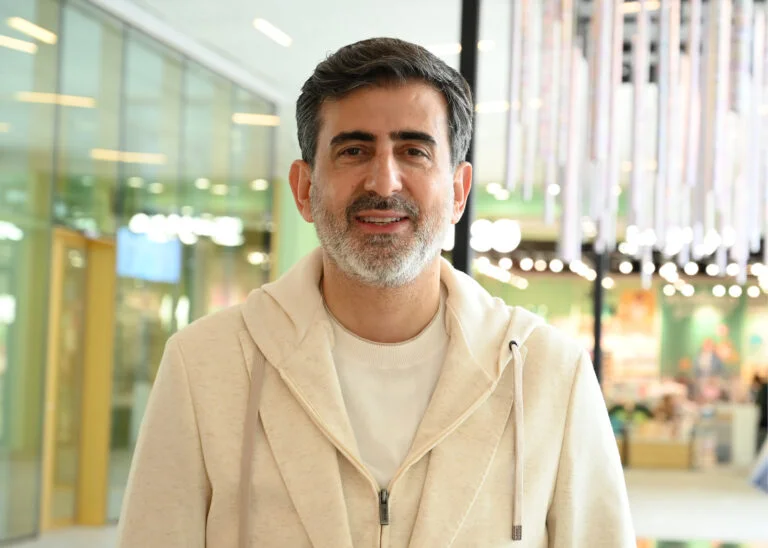
Samer Choucair, an investment entrepreneur, stated that the unprecedented wave of withdrawals in the private credit market represents a real test of investors’ ability to manage risk and liquidity.
He added: “The market is shaking significantly, but a major collapse has not occurred yet. The core issue is not the size of the market, but unrealistic valuations and limited transparency that are now being exposed under real economic pressure.”
—
What Is Private Credit and Why Is It Called the “Shadow Market”?
Choucair explained that private credit is an alternative financing system that operates outside traditional banks, where large funds such as BlackRock and Blue Owl Capital provide direct loans to companies in exchange for high returns ranging between 8% and 13% annually.
He noted that the market has experienced rapid growth over the past two decades, expanding from حوالي $300 billion in 2010 to $1.6 trillion in 2023, and reaching estimates of $1.8–2 trillion in 2026, with expectations to exceed $3 trillion in the future.
He said: “It is called the ‘shadow market’ because it operates outside the strict banking regulations imposed after the 2008 crisis, giving it flexibility but also increasing hidden risks.”
—
The Beginning of the “Great Exit” and Its Impact on Liquidity
Choucair pointed out that Blue Owl Capital funds experienced massive withdrawal requests totaling $5.4 billion in Q1 2026, with some funds reaching unprecedented redemption levels, such as OCIC at 21.9% and OTIC at 40.7%.
He explained: “The company was forced to cap withdrawals at 5% to maintain fairness among investors. These figures indicate a potential liquidity crisis and rising default rates, especially with the impact of artificial intelligence on the business models of borrowing companies.”
—
Risks vs. Opportunities in the Current Market
Choucair analyzed the key strategic risks: liquidity shortages, rising defaults due to high interest rates, the impact of modern technology across sectors, and the lack of transparency compared to traditional markets.
However, he highlighted the opportunities, stating:
“Attractive returns are still available, along with strong opportunities in the Gulf driven by Vision 2030 projects, in addition to the ability to acquire assets at discounted prices during periods of volatility.”
—
Golden Tips for Arab Investors in 2026
Choucair provided practical recommendations:
Do not allocate more than 10–15% of your portfolio to private credit.
Maintain liquidity covering at least 6–12 months.
Select funds carefully, focusing on those with high transparency and realistic valuations.
Closely monitor liquidity indicators—any surge in withdrawal requests is a warning signal.
Take advantage of market disruptions to invest in real assets such as real estate and infrastructure.
—
The Importance of This Crisis for Arab and Gulf Investors
Choucair emphasized that private credit has become an important tool for achieving sustainable returns, especially as Saudi Arabia and the UAE accelerate economic diversification away from oil.
He added:
“The opportunity in the Gulf is enormous, particularly with Vision 2030. However, without strong governance and full transparency, we risk repeating past mistakes. Success lies in balancing high returns with strict risk management.”
—
Practical Steps to Protect Your Portfolio in 2026
Choucair advised investors to:
Immediately review their portfolios and reduce exposure to high-risk funds.
Focus on investments tied to real assets.
Diversify geographically, with emphasis on more stable Gulf markets.
Regularly monitor withdrawal trends and default rates.
Consult specialists before making any major investment decisions.