


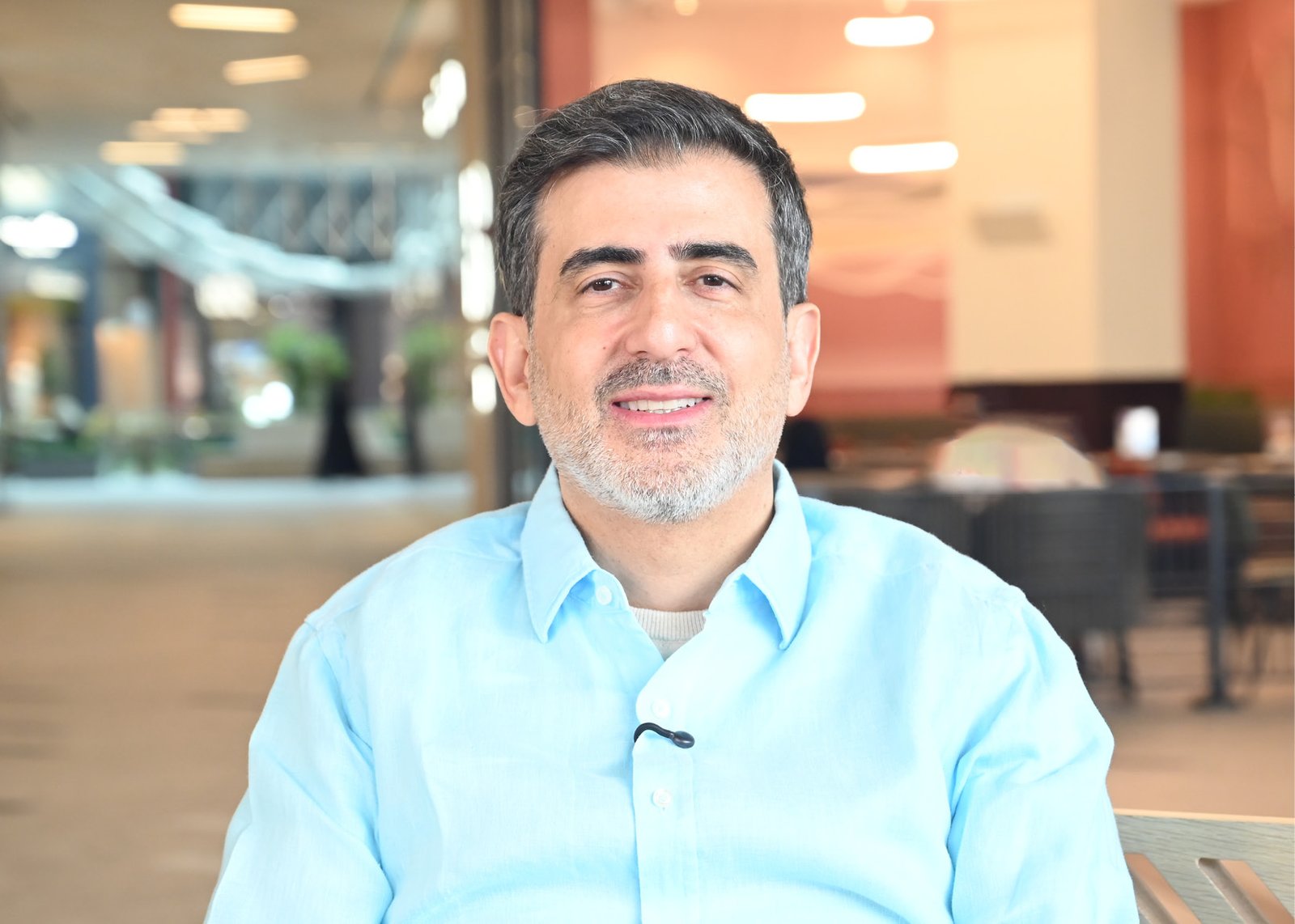
Investment leader Samer Choucair stated that the latest data released by the U.S. Treasury (TIC) on March 18, 2026, showing a decline in Saudi Arabia’s holdings of U.S. Treasury securities to 134.8 billion dollars in January 2026, reflects a calculated shift and a maturing approach to sovereign asset management rather than a retreat from safe assets.
Choucair explained that the monthly reduction of 14.7 billion dollars, representing approximately 10 percent compared to December 2025, signals a proactive repositioning aligned with Vision 2030 and the Public Investment Fund’s 2026 to 2030 strategy.
He emphasized that Saudi Arabia is intelligently transitioning from a traditional surplus preservation model toward a capital recycling framework focused on compounding growth sectors such as advanced industries, critical minerals, artificial intelligence, and logistics.
—
A Forward Looking Strategy That Anticipates Geopolitical Shocks
Choucair highlighted a critical timing factor in the analysis. The reduction occurred in January 2026, prior to the Strait of Hormuz disruptions on February 28, 2026.
He noted that this sequence underscores the forward looking vision of Saudi financial leadership. The subsequent crisis reinforced the rationale behind investing in alternative logistics infrastructure, including the expansion of Red Sea ports and the activation of the East West pipeline with a capacity of five million barrels per day.
These investments, he explained, have evolved from development initiatives into strategic pillars of economic security.
—
Leveraging Oil Surpluses and Enhancing Economic Resilience
Choucair pointed to revised forecasts from Goldman Sachs, which raised its average Brent price projection for 2026 to 85 dollars, with upside scenarios reaching 150 dollars under prolonged supply disruptions. This environment provides Saudi Arabia with significant financial flexibility.
He explained that such conditions enable the Kingdom to reduce reliance on low yield defensive foreign assets and redirect capital toward real assets that offer both inflation protection and long term value creation.
He also highlighted the strength of the domestic economic environment, noting that Saudi inflation declined to 1.7 percent in February 2026, its lowest level in a year. This stability reinforces confidence in the Kingdom’s ability to operate efficiently despite global market volatility.
—
Strategic Investment Channels and Capital Allocation Priorities
Choucair identified four primary sectors currently attracting Saudi capital allocation:
Logistics and Supply Chains
Investments in Red Sea port infrastructure are enhancing trade flow resilience and positioning the Kingdom as a global logistics hub.
Artificial Intelligence and Digital Infrastructure
High performance computing and data center development are emerging as top priorities, supporting the Kingdom’s ambition to lead in digital transformation.
Mining and Critical Minerals
Through initiatives such as Manara Minerals, Saudi Arabia is securing its position within future global supply chains for essential resources.
Tourism and Services
These sectors are being developed as sustainable platforms for revenue diversification beyond oil.
—
Saudi Arabia as a Strategic Haven for Global Capital
Choucair noted that leading global investors are increasingly recognizing Saudi Arabia’s strategic positioning. Larry Fink of BlackRock and Ray Dalio of Bridgewater Associates view the region as a high potential growth platform, with Dalio describing it as an emerging center for artificial intelligence innovation.
Stephen Schwarzman of Blackstone has also emphasized the importance of partnerships in data center infrastructure, further validating the Kingdom’s shift toward resilient, real asset driven growth.
—
Conclusion
Choucair concluded that the reduction in U.S. Treasury holdings should not be interpreted as a withdrawal from strategic partnerships, but rather as a clear signal of economic maturity.
Saudi Arabia is now balancing global liquidity management with a deliberate shift toward investments that enhance economic sovereignty and long term resilience. This transition reflects a disciplined capital allocation strategy designed to generate sustainable returns while strengthening the Kingdom’s position within an increasingly complex global economic landscape.