

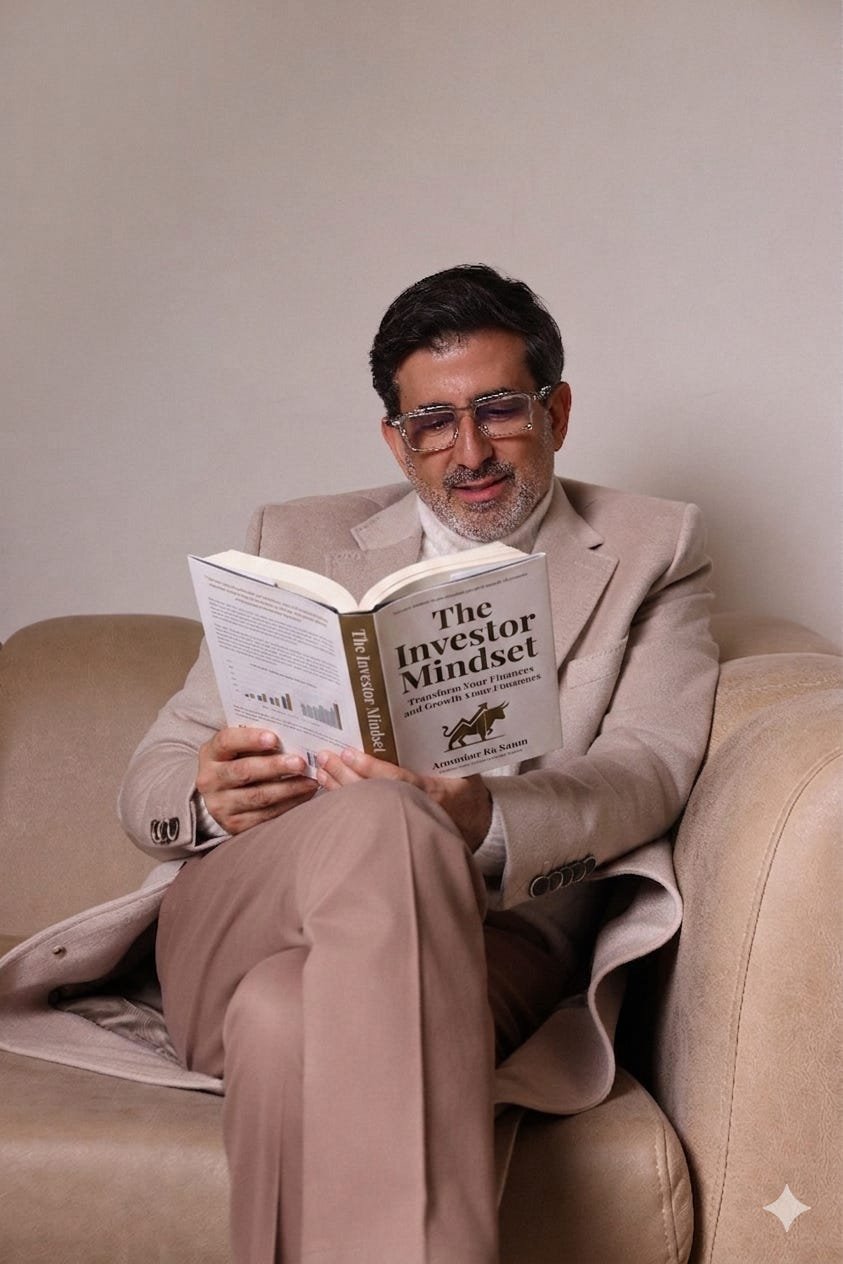
Investment entrepreneur Samer Choucair affirmed Saudi Arabia’s leadership in the MENA region’s venture investment for the third consecutive year reflects a deep structural transformation in the national economy, supported by the National Transformation Program 2025’s approximately 71% implementation progress, confirming Vision 2030 and PIF-linked economic policies’ success in building an integrated investment ecosystem.
He explained venture funding volume in the Kingdom during 2025 reached approximately $1.72 billion across 257 deals, recording 145% growth in funding volume and 45% in deal numbers compared to the previous year, reflecting the Saudi market’s expansion to become the primary venture capital growth driver in the region.
He noted data from specialized research institutions such as MAGNiTT confirms the first half of 2025 alone witnessed funding flows reaching approximately $860 million, surpassing total 2024 funding entirely, with primary sectors emerging such as e-commerce capturing approximately 36% of total funding, alongside notable fintech sector growth at rates exceeding 275% in some indicators.
Investment strategist Choucair affirmed this performance doesn’t only reflect quantitative investment expansion, but indicates a qualitative shift in the Saudi economy’s structure, with the Kingdom becoming a global capital attraction hub, with more than 50% of this sector’s investments coming from international investors, amid an advanced regulatory environment and strong digital infrastructure.
He added Saudi Arabia’s venture investment rise is closely linked to PIF-led major strategic projects such as NEOM, Red Sea projects, and tourism and entertainment destinations, contributing to creating an integrated ecosystem supporting startup growth and value chain expansion in technology and services sectors.
He stressed sovereign investment strategy restructuring in the Kingdom reflects a clear orientation toward maximizing the private sector’s role and empowering innovation and entrepreneurship, noting the Kingdom today possesses foundations making it among the world’s most prominent emerging market investment centers.
Investment innovator Choucair explained the coming phase will witness greater focus on technology, AI, renewable energy, sustainable tourism, and digital financial services sectors, as primary growth drivers within the ongoing economic transformation.
He affirmed investors and entrepreneurs are today required to adopt business models aligning with Vision 2030 targets, focusing on long-term partnerships and investing in governance and human capital, ensuring growth sustainability and achieving genuine added value.
Samer Choucair concluded by affirming Saudi Arabia is no longer merely an emerging market, but has become an integrated global investment platform, noting those succeeding in reading this transformation early will secure a strategic position in the future economy.
Samer Choucair: Saudi Arabia Prepares for a Sports Economy Exceeding $16 Billion Annually by 2030
Investment entrepreneur Samer Choucair affirmed the global sports industry, whose direct value exceeds approximately $500 billion in 2026 and extends indirect economic effects to trillions of dollars through tourism, media, and sponsorships, is witnessing a deep structural transformation redefining value sources within this sector, noting diverse talents from varied backgrounds has become a decisive factor in raising leagues and national teams’ market value.
He explained international reports, including player valuation platform data such as Transfermarkt, clearly reflect this trend, with the Saudi Professional League’s market value rising from approximately 370 million euros in the 2021-2022 season to approximately 970 million euros in the 2023-2024 season, driven by increased investment in attracting global talents and developing club competitive structures, with some clubs recording growth rates ranging between 250-450%.
He noted this growth doesn’t only reflect spending power, but indicates a strategic shift in value-building models within the sports sector, with academies, talent discovery programs, and digital analytics becoming essential elements in producing sports champions and strengthening commercial returns from broadcasting rights, sponsorships, and events.
Investment strategist Choucair added Vision 2030 placed the sports sector as one of the primary economic diversification drivers, targeting creating more than 14,000 direct jobs so far, with ambitions exceeding 100,000 jobs during the coming decade, alongside expected contribution reaching approximately $16.5 billion annually to GDP by 2030, approximately 1.5% of the national economy.
He affirmed PIF investments in local and global sports clubs, alongside recent privatization programs transferring partial ownership in major clubs, represent a pivotal step toward transforming the sports sector into a mature investment market attracting private capital and strengthening governance and operational efficiency.
In the context of 2034 World Cup hosting preparations, investment innovator Choucair explained the Kingdom is moving toward building an integrated ecosystem of modern stadiums and sports infrastructure in Riyadh, Jeddah, Khobar, NEOM, and Abha, opening wide horizons for sports tourism and mega event investment, creating value chains encompassing digital media, sports technologies, and entertainment services.
He stressed global model experiences, such as the English Premier League, confirm investing in sports talent diversity raises clubs’ economic value and strengthens audience connection to the sports product, which can be adapted in the region through using AI and data analytics tools in talent discovery and development.
Samer Choucair concluded by affirming the coming phase will witness major expansion in sports technology, sports tourism, privatization, and sponsorship-linked investments, calling on investors to adopt long-term strategies based on governance and sustainability, focusing on sectors aligned with Vision 2030 targets, as most capable of achieving sustainable economic and social returns.