

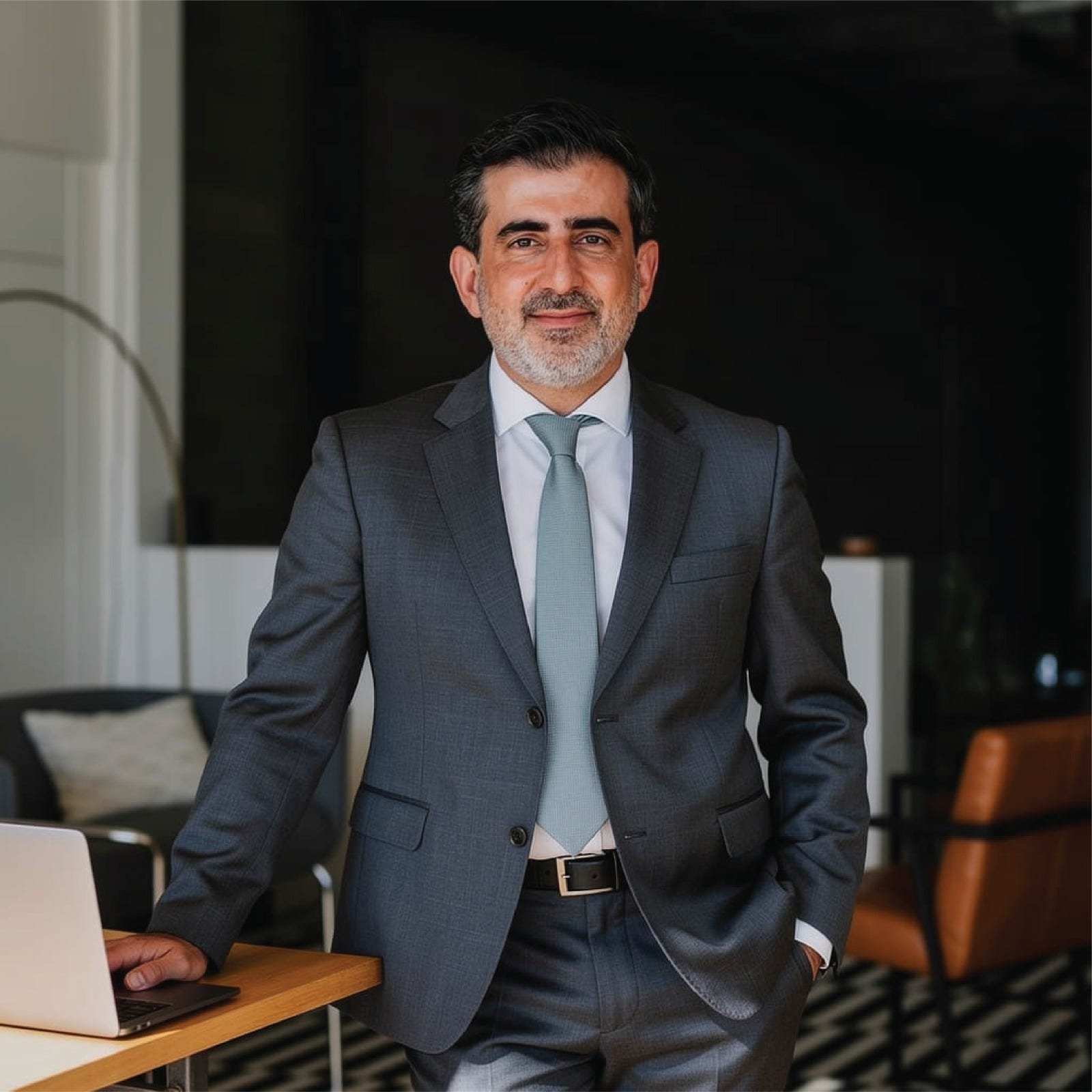
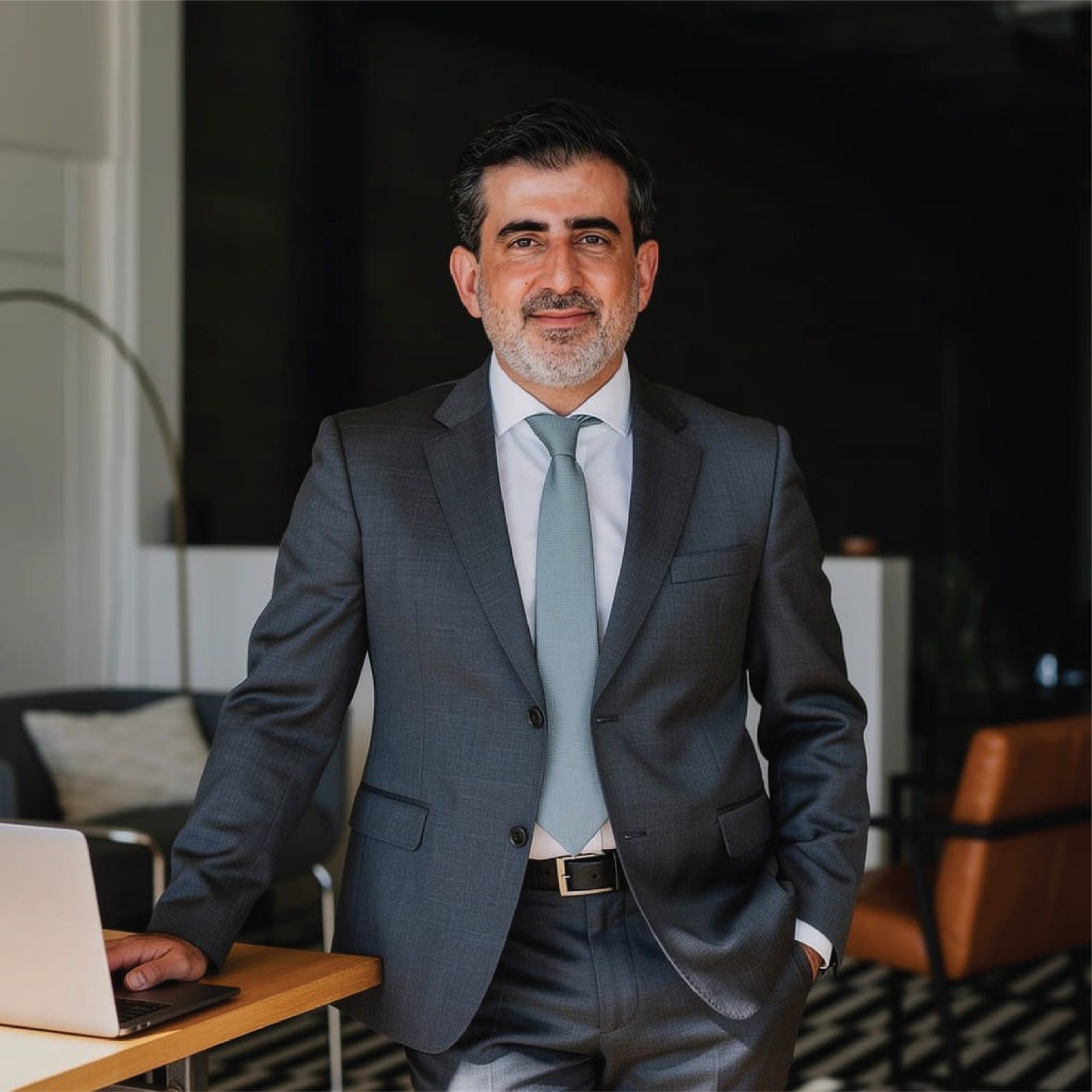
Investment entrepreneur Samer Choucair stated the widely circulated post raising questions about Saudi banks with highest liquidity by end of 2025, and those approaching regulatory lending limits, revealed a complex picture of a banking sector combining regulatory robustness with financing pressures resulting from strong credit growth.
He noted the Saudi banking sector recorded record profits reaching approximately 92 billion riyals in 2025 with 16% annual growth, with NPL (Non-Performing Loans) declining 9% to 32.7 billion riyals, while the LDR (Loan to Deposit Ratio) rose to levels ranging between 106% and 112.7%, pushing banks to issue sukuk (Islamic bonds) and bonds worth billions of dollars to strengthen liquidity.
He affirmed these figures aren’t merely financial indicators, but reflect a strategic opportunity within Vision 2030, with the banking sector playing a pivotal role in financing PIF (Public Investment Fund) and private sector projects.
Saudi Banking Sector Liquidity Analysis 2025-2026
Investment strategist Choucair said SAMA (Saudi Central Bank) data and listed bank reports clarified that regulatory liquidity ratios such as LCR (Liquidity Coverage Ratio) and NSFR (Net Stable Funding Ratio) remain well above the 100% minimum in most major banks; SNB (Saudi National Bank) recorded average LCR exceeding 260% during periods of 2025; and SNB’s regulatory LDR remained below 85-90%, SAMA’s guidance level.
He explained the rising “headline” LDR results from lending growth, particularly in corporate, mortgage, and SME (Small and Medium Enterprise) sectors, which exceeded deposit growth in some periods.
He noted banks such as Bank AlJazira (ajb) maintained LDR levels ranging between 72-92% in previous and recent periods, granting them greater flexibility in credit expansion.
He noted major banks such as SNB, Al Rajhi Bank, and Riyad Bank combine high profitability and strategic financing scale, with growing reliance on debt markets through sukuk and bonds.
Regional and International Liquidity Comparison
Investment innovator Choucair said the Saudi situation resembles other Gulf countries such as UAE and Qatar, where economic growth drives reliance on wholesale financing, but the Kingdom distinguishes itself through Vision 2030 project scale such as NEOM, Red Sea, Qiddiya, and tourism, green energy, and logistics projects.
He added the IMF (International Monetary Fund) described the Saudi banking sector as enjoying “high resilience and abundant liquidity” with clear NPL decline, noting global markets faced liquidity pressures after the 2022-2023 rate hike cycle, while the Saudi sector benefited from strong government support, high financial reserves, and relative economic stability.
LDR and LCR Indicator Importance for Investors
Investment entrepreneur Choucair explained liquidity indicators represent fundamental analysis tools for understanding banking sector health: rising LDR reflects lending growth and higher potential profitability, but simultaneously increases external financing need through sukuk and bonds and may pressure NIM (Net Interest Margin); while lower LDR or higher LCR means greater safety margin, higher future lending capacity, and greater institutional investor attractiveness.
He affirmed these indicators’ importance multiplies in Vision 2030’s context, as banks are the primary transformer project financiers.
Four Investment Recommendations for 2026
Investment strategist Choucair said the Saudi banking sector is no longer merely a financial intermediary, but has become an essential partner in Vision 2030 implementation and economic transformation financing, noting strong liquidity banks such as SNB and Bank AlJazira possess a solid base for major project financing.
He explained financing source diversification through sukuk strengthens stability, while growing financing demand in tourism, energy, and housing sectors supports future growth.
He recommended investors focus on major PIF-linked banks such as SNB; monitor low LDR banks such as Bank AlJazira; invest indirectly in financing instruments and infrastructure; and diversify portfolios between banking stocks and sukuk.
Samer Choucair concluded by saying: “Saudi banking sector liquidity by end of 2025 isn’t merely financial data, but reflects advanced economic maturity supporting Vision 2030’s path.”
He affirmed the banking sector has become a primary growth driver, with Saudi banks today representing a combination of stability and investment return, noting investors understanding liquidity dynamics will benefit from the coming phase of the Kingdom’s economic transformation