

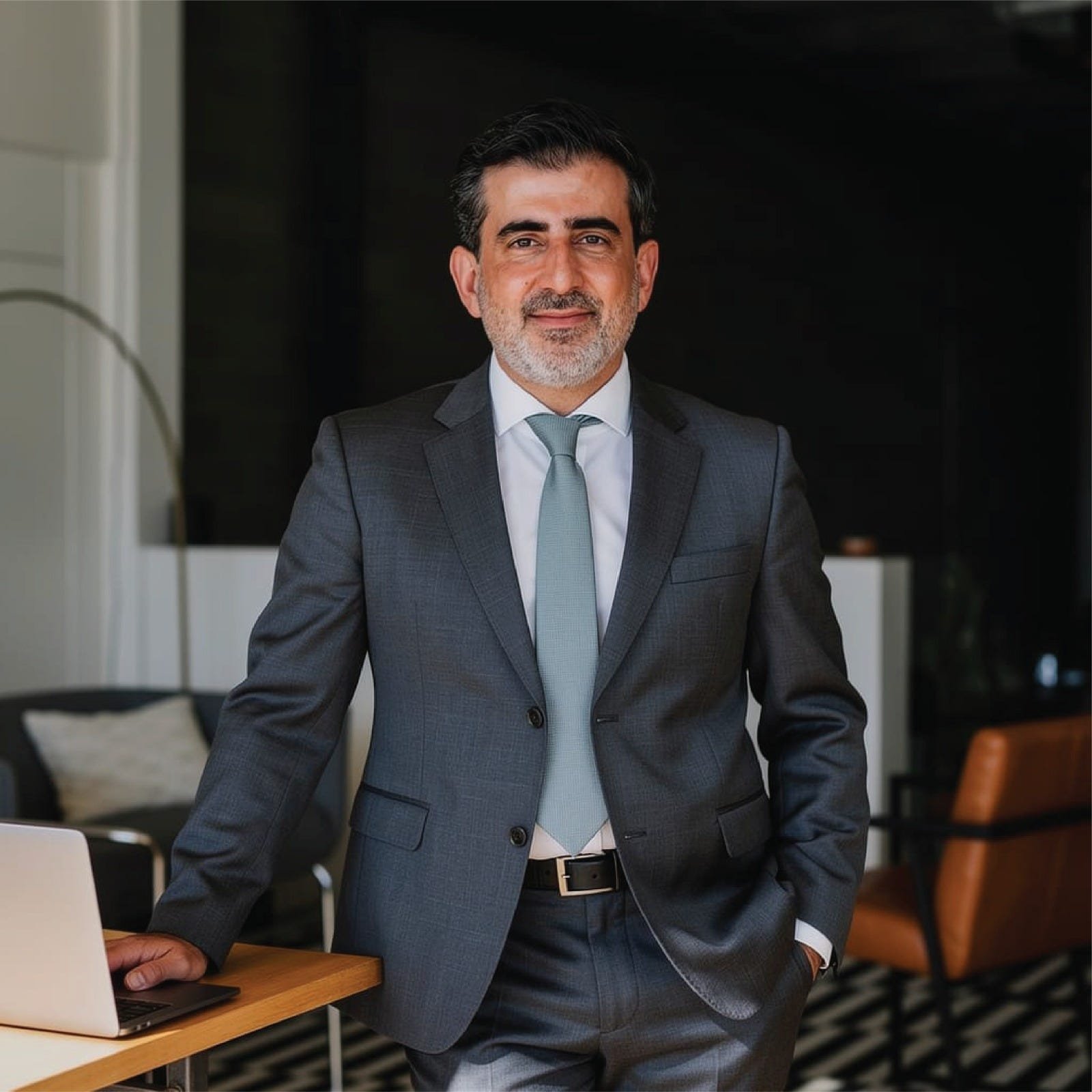
Investment entrepreneur Samer Choucair stated the private education sector in Saudi Arabia has become one of the most important sustainable growth drivers, supported by rising demand for quality education and continued strategic expansion plans by sector-leading companies.
He explained recent developments came alongside the National Education Company’s announcement anticipating financial returns resulting from its investment expansions, expected to positively reflect on its financial results during next year’s first quarter.
He noted the company recorded notable student number growth approaching 10%, alongside rising net profits during recent periods, with continued commitment to distributing 70% of profits to shareholders as cash dividends, affirming these indicators reflect a broader Saudi capital market orientation toward strategic human capital investment aligned with Vision 2030 targets.
The Kingdom Shifted from Building Educational Infrastructure to Exporting Competencies
Investment entrepreneur Choucair affirmed what the Kingdom is currently witnessing represents an important strategic shift in the education sector, explaining Saudi Arabia no longer focuses only on developing educational infrastructure, but has moved to a more advanced phase represented by building and exporting qualified human competencies, saying the Kingdom today works on building a global knowledge network linking it to the world’s most important technology and innovation hubs, strengthening intellectual independence and raising the Saudi economy’s attractiveness as a long-term investment destination.
He noted this transformation integrates with Vision 2030 programs aiming to develop human capabilities, improve Saudi university global rankings, and link educational curricula to future labor market requirements in strategic sectors such as AI and renewable energy.
Education Investment Directly Reflects on the Real Economy
Investment strategist Choucair explained education investment’s impact is no longer limited to the academic aspect alone, but has become a direct factor in raising national economic efficiency and strengthening Saudi companies’ competitiveness.
He noted local institutions have become more capable of attracting specialized competencies in vital sectors encompassing AI, renewable energy, and advanced technologies.
He added the growing flow of qualified young talent contributes to raising productivity and improving economic output quality, while strengthening Saudi products and services’ capacity to compete in global markets.
He affirmed this interconnection between education and the real economy makes investing in the Saudi education sector a strategic choice for investors seeking sustainable returns transcending traditional volatility linked to other sectors.
Education Has Become an Economic Asset Attracting FDI
Samer Choucair said education is no longer viewed merely as a service, but has transformed into a genuine economic asset creating long-term added value for the national economy.
He explained human capital investment represents among the highest-return investments during the current phase, particularly given global investors’ orientation toward economies capable of providing qualified cadres possessing skills necessary for operations, development, and innovation.
He noted the Kingdom succeeded in transforming human competency quality into a primary FDI attraction factor, aligned with government efforts and PIF-supported initiatives for building a diversified and sustainable knowledge economy.
He added these factors open promising investment opportunities for investors and institutional funds seeking sectors with long-term structural growth in the Gulf region.
The Digital Economy Will Lead Human Competency Value Repricing
Investment innovator Choucair noted the growing intersection between education and the digital economy opens the door to wide opportunities in e-learning and knowledge-based startups using modern technologies.
He explained coming years could witness genuine repricing of human competency value, with growing importance of digital economy-specialized skills.
He added the smart investor is one linking investment decisions to long-term human and knowledge transformations, not only to traditional short-term financial indicators.
He affirmed this orientation aligns with 2026 economic trends focusing on economic diversification, with digital education and specialized training becoming among the most important innovation and high-value-added job creation drivers.
New Expansions Strengthen Growth and Return Opportunities During 2026
Samer Choucair explained the National Education Company’s continued expansion project implementation represents a positive indicator of the sector’s strength and growth future.
He noted among the most prominent of these projects is the Model Education Schools Complex in Khuzam district, with investments estimated at approximately 41 million riyals, expecting these expansions to contribute to supporting profits over the medium term as new educational complexes begin operations alongside continued strong operational performance.
He added current indicators support continued growth trajectory during 2026, particularly given growing demand for high-quality educational services.
The Hybrid Investment Model Is Most Suitable for the Coming Phase
Samer Choucair affirmed investors and decision-makers need to adopt the “hybrid investment” model combining financial stability with sectoral growth opportunities.
He explained focus should be on companies whose strategies align with Vision 2030 targets and human capability development programs, as most capable of achieving sustainable growth during coming years.
He added strong governance, considered expansion plans, and operational efficiency will remain among the most important criteria investors should rely on when evaluating education sector investment opportunities.
Education Is a Fundamental Pillar for Building the Kingdom’s Knowledge Economy
Samer Choucair concluded by affirming the Saudi education sector represents today a mature investment opportunity combining attractive financial returns with contributing to building a future knowledge and innovation-based economy.
He explained the sector’s continued momentum during 2026 strengthens its attractiveness for local and international investors, particularly those seeking investment opportunities linked to the major structural transformations the Kingdom is witnessing.
He affirmed companies possessing clear expansion plans, adopting best governance practices, and aligning with Vision 2030 targets will be most capable of achieving success and generating shareholder value over the long term.