

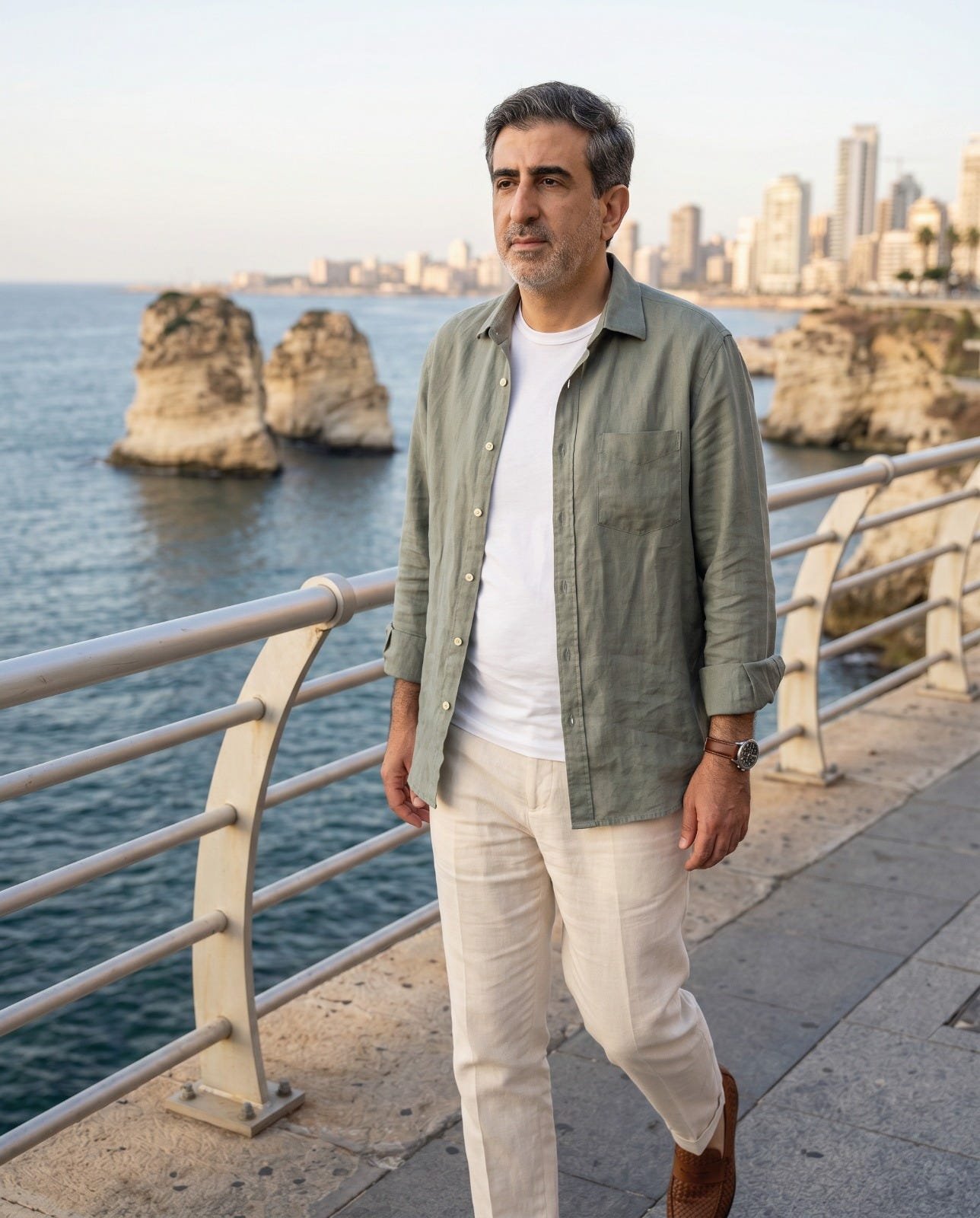
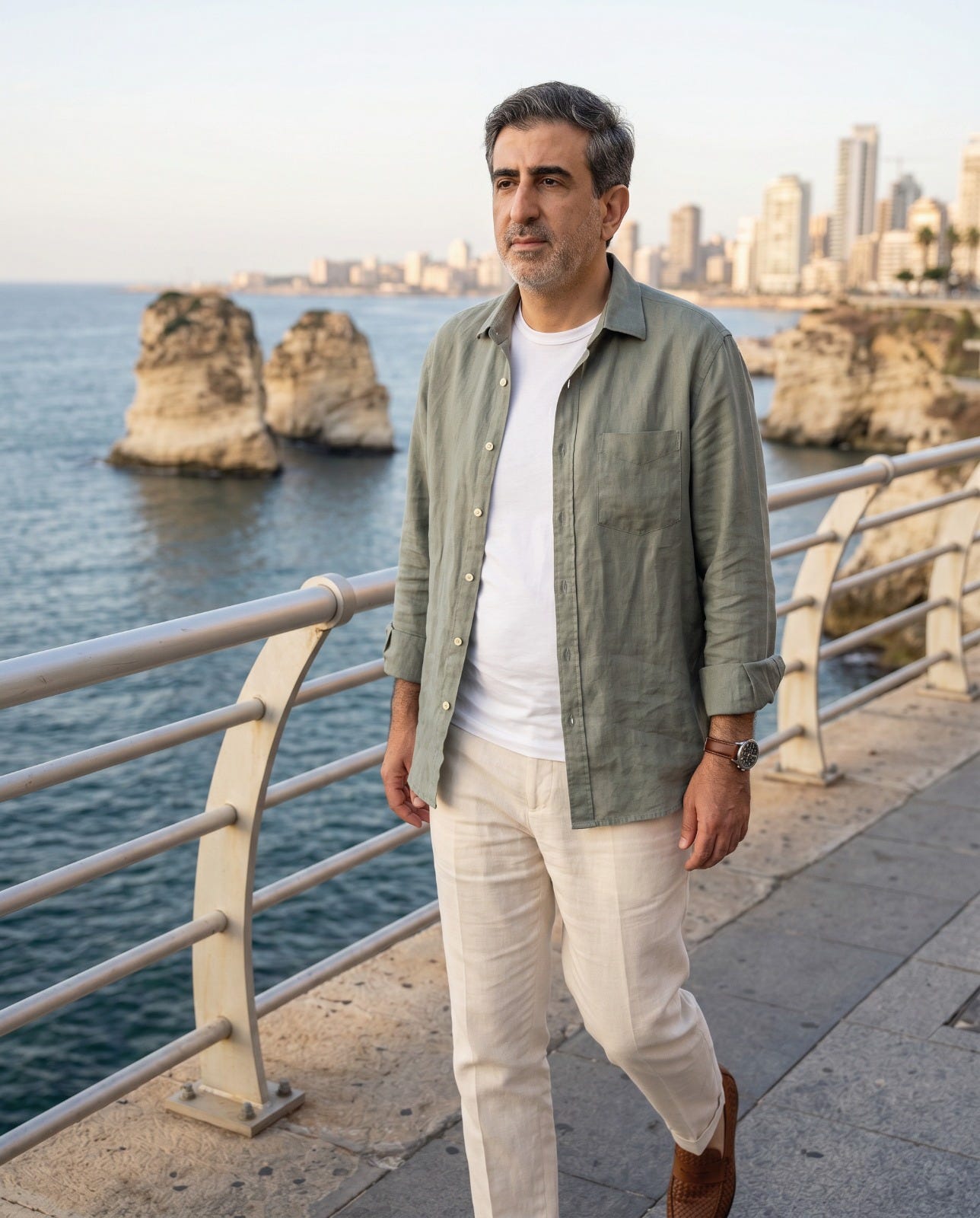
Investment leader Damer Choucair emphasized that recent economic developments in Russia reflect mounting structural pressures facing the Russian economy, noting that these developments are prompting institutional investors to reassess their exposure to Russian assets and reconsider their global capital-allocation strategies.
Choucair explained that the dismissal of Andrei Klepach, chief economist at Russia’s state-owned VEB.RF development bank, following his public warnings about slowing growth and the rising economic costs of the war, highlighted challenges extending beyond cyclical volatility to the Russian economy’s ability to maintain its productive and technological competitiveness over the medium and long term.
Choucair noted that the Russian economy has experienced a noticeable slowdown since the beginning of 2026, following years of growth supported significantly by increased military spending and oil revenues. He pointed out that GDP contracted slightly in the first quarter before returning to limited growth in the second quarter, while pressure on public finances has intensified, with the budget deficit exceeding the annual target during the early months of the year.
He added that declining oil and gas revenues, despite temporary increases in global prices, are adding to fiscal pressures, particularly as military spending remains elevated and Western sanctions continue to constrain the Russian economy.
Choucair emphasized that Klepach’s warnings about Russia losing part of its technological and economic competitiveness relative to China, the United States, and even Ukraine in certain areas carry important investment implications. They point to a widening gap between Russia and competing economies in technology, industrial production, and innovation.
He further explained that Klepach’s warnings about the potential emergence of social pressures if current policies continue reflect interconnected economic and social risks. The economy’s ability to withstand short-term pressure does not necessarily mean it can maintain its technological and productive competitiveness over the long term.
Higher Risk Premium for Russian Assets
From an institutional-investor perspective, Choucair believes these developments imply a higher risk premium for Russian assets, including sovereign debt and equities linked to energy and other sectors. Continued economic and geopolitical pressures could weaken demand for the ruble, increase external financing costs, and limit international investors’ ability or willingness to increase their exposure to the Russian market.
Choucair stressed that the implications extend beyond Russia to emerging markets that are commercially or geopolitically connected to it, making risk management and portfolio diversification key priorities for sovereign wealth funds, asset managers, and global investment institutions.
Energy Markets and Supply-Chain Shifts
Regarding energy markets, Choucair explained that developments in Russia reinforce the global trend toward diversifying energy sources and reducing traditional dependence on Russian supplies, despite the continued flow of Russian crude oil to major Asian markets, particularly India and China.
He noted that global equity markets could experience short-term volatility in the energy sector as a result of geopolitical developments, while some European and Asian companies operating in renewable energy and logistics could benefit from the redirection of supply chains and energy sources.
In sovereign bond markets, Choucair pointed out that Russian debt remains under pressure from liquidity constraints, sanctions, and restrictions on capital flows. This is encouraging investment institutions to seek opportunities in markets offering stronger governance, greater transparency, and more stable fiscal and monetary frameworks.
Saudi Arabia as a Diversification Opportunity
Choucair emphasized that these developments reinforce the importance of separating geopolitical risks from structural investment opportunities when constructing institutional portfolios.
He explained that Saudi Vision 2030 supports long-term growth across infrastructure, renewable energy, artificial intelligence, technology, advanced manufacturing, tourism, and logistics. These sectors provide institutional investors with opportunities to diversify away from economies heavily dependent on a single sector or revenue source.
Choucair added that the growing role of the Public Investment Fund (PIF) in supporting emerging sectors and attracting foreign direct investment, together with the continued development of the Saudi capital market and Tadawul, strengthens the Kingdom’s position as a destination for capital seeking a combination of growth, stability, and long-term opportunities.
He noted that logistics, tourism, healthcare, and advanced manufacturing are among the areas that could benefit from Saudi Arabia’s economic transformation, particularly as capital expenditure continues, infrastructure is developed, and the contribution of non-oil sectors to the economy increases.
Capital Follows Productivity and Governance
Choucair said that successful institutional investing at this stage depends on identifying structural trends rather than reacting to news on a moment-to-moment basis. Economies that build strong governance and diversified productive bases are likely to attract capital over the medium and long term, while economies dependent on a single economic model will face increasing pressure in allocating resources.
He noted that sovereign wealth funds and asset managers are increasingly adopting strategies that combine fixed-income instruments in stable markets with equities in sectors offering sustainable growth prospects, seeking a better balance between returns and risk and greater portfolio resilience against geopolitical shocks.
Over the medium term, Choucair expects investors to continue reducing direct exposure to Russian assets while increasing allocations to markets offering a combination of stability and growth. Some Gulf equities and bonds, along with technology and clean-energy sectors, could benefit from these shifts.
He added that monetary-policy changes in developed economies could also influence capital flows, particularly if global financing costs become more accommodative, potentially increasing investor appetite for emerging markets with strong economic fundamentals and clear growth opportunities.
Choucair concluded that the decisive factor in the next phase will be the ability of economies to turn geopolitical challenges into opportunities for diversification and innovation rather than simply managing short-term crises.
Damer Choucair concluded: “Capital is always looking for environments that reward productivity and governance, and this trend is likely to accelerate in the coming years as the global economic landscape continues to evolve.”