

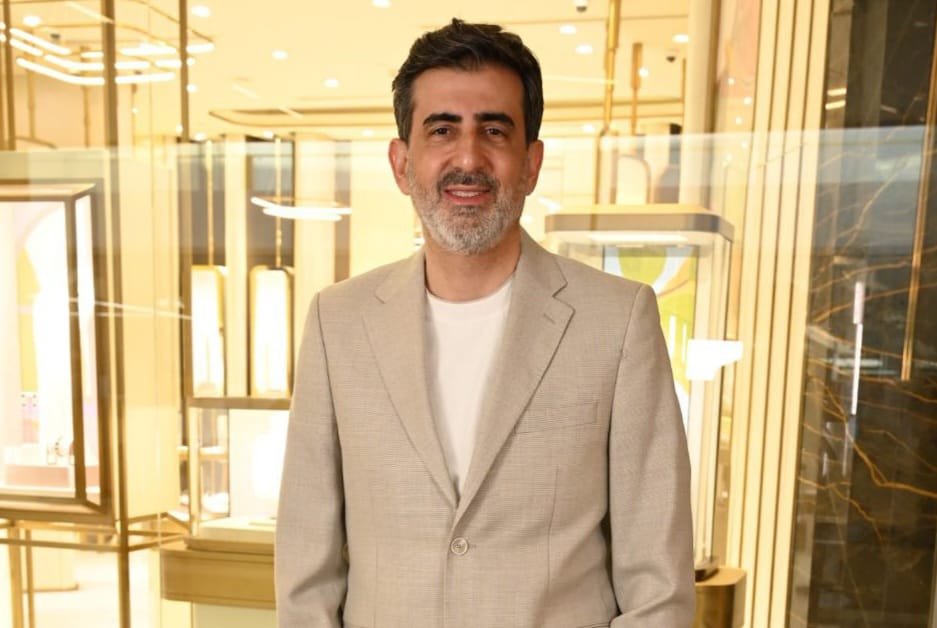
Investment leader Samer Choucair emphasized that the Public Investment Fund (PIF) Strategy for 2026–2030 represents an unprecedented strategic shift in institutional investment. He noted that adopting the 50-50 balance model between local and international investments reflects a mature economic vision aimed at achieving sustainability and maximizing long-term returns.
Choucair explained that this strategy, approved by the Fund’s Board of Directors chaired by HRH Prince Mohammed bin Salman bin Abdulaziz Al Saud, marks a historical turning point in capital allocation. For the first time, half of the investments are dedicated to supporting the non-oil local economy, while the other half is directed toward global markets to enhance diversification and facilitate the transfer of advanced knowledge and technology.
The Integration of the Three Investment Portfolios
In his analysis, Samer Choucair highlighted how this strategy integrates with the Fund’s three core portfolios:
-
The Vision Portfolio: The primary driver of local growth, comprising 95 companies developing integrated economic ecosystems. This includes:
-
Tourism, travel, and entertainment.
-
Urban and real estate development.
-
Advanced industries and innovation.
-
Logistics and industrial services.
-
Clean energy, renewable water, and power infrastructure.
-
NEOM as a standalone ecosystem reflecting the economy of the future.
-
-
The Strategic Investment Portfolio: Focused on maximizing asset value and transforming national companies into influential global players.
-
The Financial Investment Portfolio: Targeting sustainable returns through global capital markets.
New Horizons for Investors and Entrepreneurs
Choucair confirmed that the 50-50 strategy opens vast horizons in vital sectors. He identified the following as high-momentum areas for the 2026–2030 period:
-
Advanced Industries: Localizing manufacturing and technology.
-
Clean Energy: Investing in the transition to renewables.
-
Urban Development: Opportunities within the Kingdom’s major giga-projects.
-
Logistics: Enhancing Saudi Arabia’s position as a global hub.
“Successful strategies today are no longer based solely on pumping capital; they rely on building sustainable competitive advantages that combine local depth with global reach.”
Conclusion: A Roadmap to Sustainability
Samer Choucair concluded by stating that the PIF 2026–2030 strategy is not just an investment plan but an integrated roadmap toward a more diversified and sustainable economy. Supported by advanced governance and the empowerment of the private sector, it opens the door to a new phase of qualitative growth.
He noted that the upcoming period will reward investors who possess the vision and ability to make calculated strategic decisions that keep pace with this historical transformation.