


On a winter morning inside the Economic Club of Washington, a conversation unfolded that captured one of the most important economic questions of our time.
Seated in the room was David Rubenstein, a veteran investor known for anticipating major structural shifts. Across from him sat Jeremy Allaire, an early internet pioneer and founder of USDC, one of the world’s leading stablecoins.
The question was simple, yet profound.
Is artificial intelligence a blessing or a threat?
Allaire’s response was clear.
Artificial intelligence is highly likely to cause significant disruption in the labor market.
What Is Actually Happening Behind the Scenes
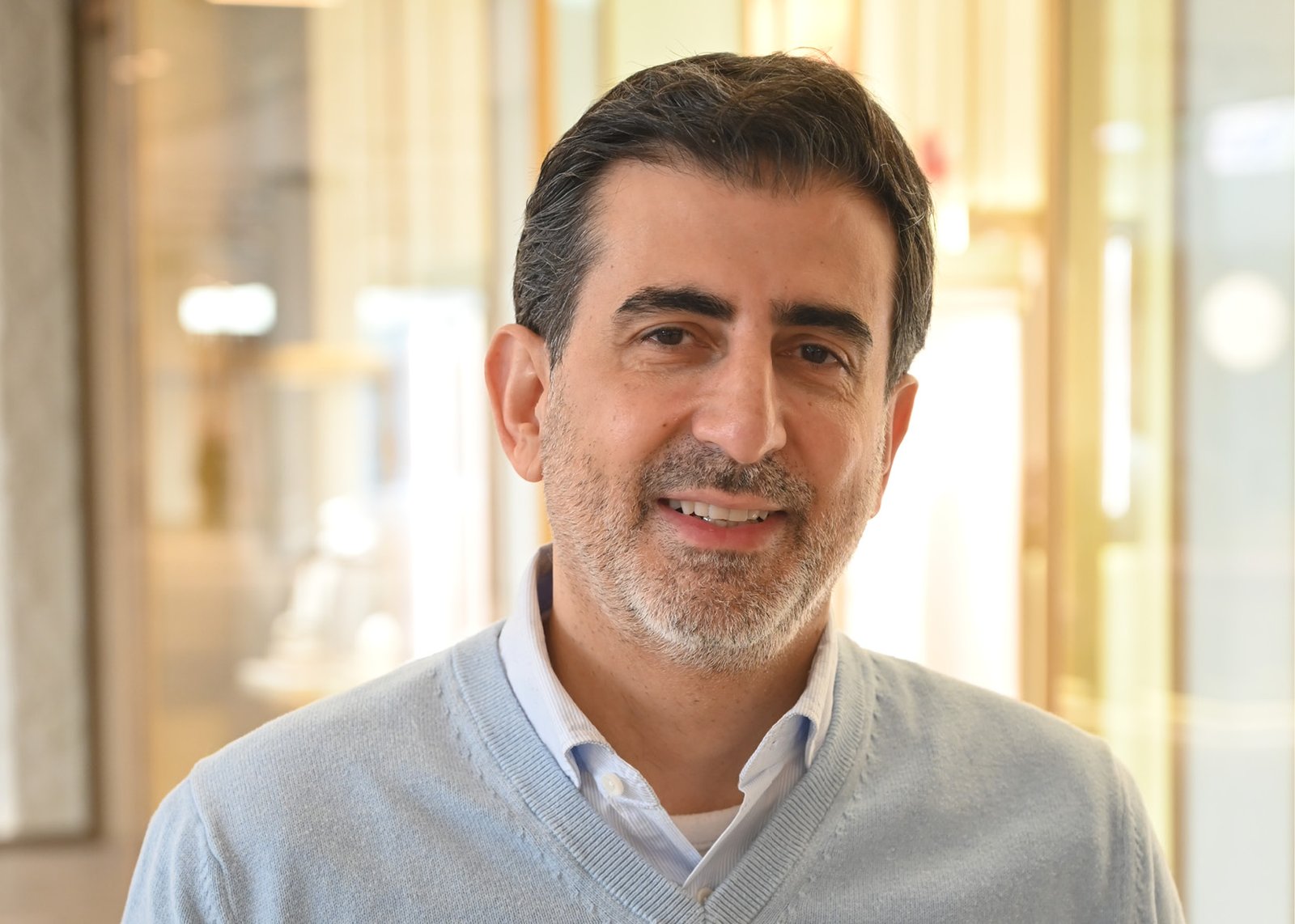
According to investment entrepreneur Samer Choucair, this is no longer a theoretical debate.
The transformation is already underway, quietly reshaping how work is structured, valued, and executed.
This is not just automation.
It is a redefinition of human roles within modern economic systems.
The Shift Is Already Visible Across Industries
In customer service, intelligent systems are now handling a large share of inquiries with speed and precision, reducing reliance on traditional call center roles.
In software development, programmers are no longer working alone. AI tools are amplifying productivity and shifting the role from writing code to supervising intelligent systems.
In media, content creation has accelerated dramatically. Text, visuals, and video can now be produced in a fraction of the time, fundamentally changing creative workflows.
In finance, algorithms are playing a growing role in data analysis, portfolio management, and fraud detection, enhancing efficiency while reducing manual intervention.
Even in manufacturing and logistics, robotics are steadily replacing repetitive tasks, reshaping workforce dynamics at scale.
This Is Not Job Loss, It Is Job Transformation
Choucair emphasizes a critical distinction.
What we are witnessing is not simply job destruction, but job transformation at an unprecedented pace.
Historically, every major technological revolution, from the industrial era to the rise of the internet, eliminated certain roles while creating entirely new opportunities.
The difference today lies in speed.
The acceleration of AI adoption is compressing decades of change into just a few years, creating a widening gap between technological capability and workforce readiness.
The Real Risk Is Falling Behind
The greatest threat is not artificial intelligence itself.
It is the inability to adapt.
Workers who learn to collaborate with AI systems are more likely to move into higher value roles.
Those who resist or ignore the shift may find themselves increasingly marginalized in a rapidly evolving economy.
This applies not only to individuals, but also to companies and entire economies.
The real competitive advantage now lies in the ability to integrate intelligence into everyday operations.
Policy, Education, and the Next Economic Model
This transformation is forcing a rethinking of economic policy.
Investment in education and reskilling is no longer optional. It is essential.
Concepts such as universal basic income are returning to policy discussions as potential tools to address structural changes in employment.
Governments and institutions are being challenged to respond at the same speed as technological progress.
Final Insight: The Future Belongs to Those Who Adapt
Choucair concludes with a forward looking perspective.
The question is no longer whether artificial intelligence will change the world. It already is.
The real question is who will be ready for it.
Those who learn to work alongside AI will position themselves at the center of the next economic cycle.
Those who fail to adapt may find themselves on the margins of one of the fastest transformations the global labor market has ever experienced.
In the end, this is not just a technological shift.