


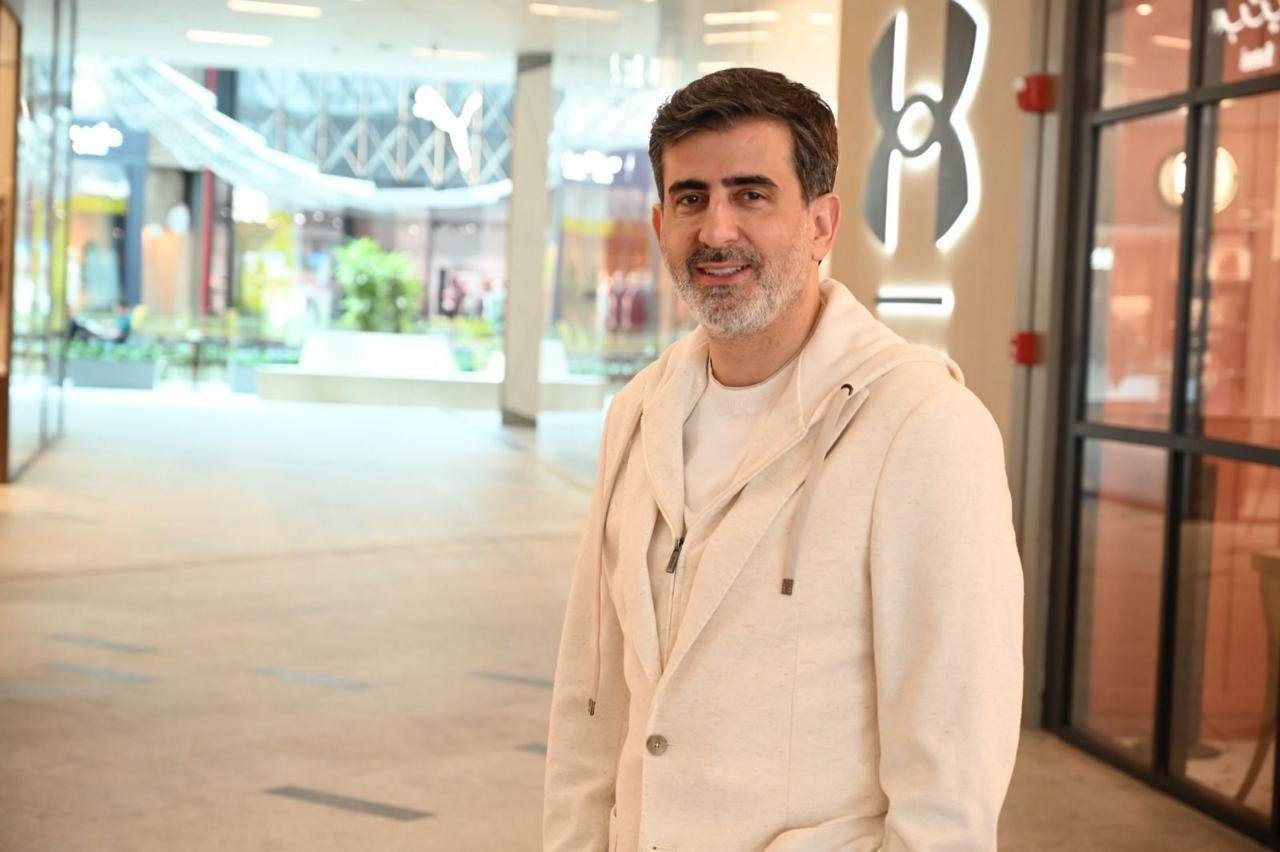
Investment strategist Samer Choucair stated that the ongoing bidding war to acquire the ContiTech unit of Continental AG is far more than a conventional M&A transaction. Instead, it represents a real-time test of private equity’s ability to reshape industrial assets amid the volatility of 2026.
In his latest strategic analysis, Choucair explains that the participation of six global investment giants in the final bidding round signals a clear shift toward carve-out transactions—a model centered on breaking apart and rebuilding corporate structures to unlock hidden value.
—
Six Global Giants Competing for an “Industrial Core Asset”
As of March 2026, the final bidders include:
Apollo Global Management
Bain Capital
Advent International (in partnership with CVC Capital Partners)
Platinum Equity
KPS Capital Partners
Clearlake Capital
Choucair emphasizes that these firms are not acquiring a “finished asset,” but rather targeting ContiTech as a strategic industrial backbone of the global economy.
The unit specializes in:
Conveyor belt systems for mining
Industrial energy transfer systems
Heavy industry infrastructure components
> “This is not a cyclical asset—it is a hidden infrastructure layer of the global economy,” Choucair notes.
“In times of uncertainty, such assets become industrial safe havens with stable cash flows.”
—
Financial and Structural Dimensions of the Deal
Choucair highlights the key financial metrics underpinning the transaction:
Valuation: €3.5B to €4B+
EBITDA: ~€600M
Debt financing package: Up to €2.5B
He explains that structured leverage will play a critical role in amplifying returns without constraining operational growth.
> “This is financial engineering at its core—optimizing capital structure while preserving operational upside.”
—
Why Continental Is Selling: “Focus or Fade”
According to Choucair, the decision by Continental AG to divest ContiTech reflects a broader strategic doctrine:
> “Focus or fade.”
The company is:
Redirecting capital toward its high-margin tire division
Reducing operational complexity
Enhancing valuation appeal to institutional investors
This move aligns with a wider trend across Europe, where industrial groups are streamlining portfolios to remain competitive in a fragmented global environment.
—
Strategic Signals for Arab and Gulf Investors
Choucair outlines three key takeaways for investors in the Middle East:
- Europe Is Open for Strategic Acquisitions
High-quality industrial assets are becoming available at rational valuations, creating entry points for long-term capital.
—
- The Carve-Out Model Is Replicable in the Gulf
Large family conglomerates and industrial groups across the GCC can apply similar strategies:
Break down complex entities
Optimize operations
Rebuild for scale and valuation expansion
—
- The Era of Investment Engineering Has Begun
Investment in 2026 is no longer about buying assets—it is about:
> Deconstructing → Optimizing → Strategically Scaling
—
Conclusion: Value Is Created in Transformation, Not Acquisition
Choucair concludes that the winner of this deal will not necessarily be the highest bidder, but the investor with the strongest capability to:
Transform operations
Expand into emerging markets (Asia and the Middle East)
Build long-term industrial relevance
He reinforces this perspective with a quote from Henry Kravis:
> “Value is created in transformation—not in the purchase.”
In a world defined by volatility and structural change, the ContiTech deal stands as a blueprint for how capital will generate returns in the next decade—through reinvention, not acquisition alone.