

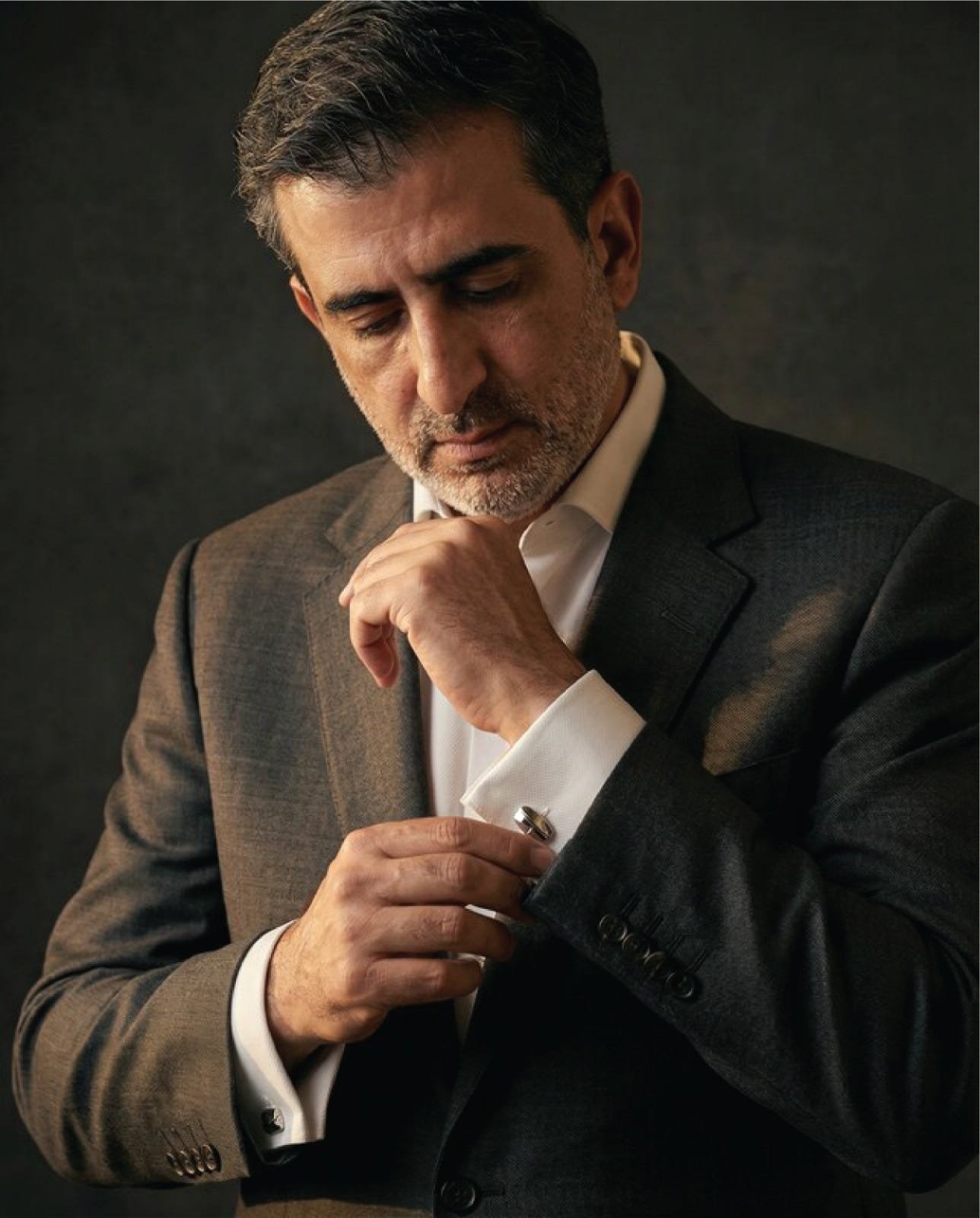
Investment entrepreneur Samer Choucair affirmed that the accelerating growth seen in the Saudi aviation sector represents one of the most prominent indicators of the success of the Kingdom’s economic transformation programs, reflecting Vision 2030’s ability to build a world-class air transport ecosystem that supports economic development and attracts local and international investment.
This came in comments on data issued by the General Authority of Civil Aviation, which showed that Saudi airlines paid out compensation totaling 87.5 million riyals during 2025 after receiving roughly 23,000 complaints from travelers, at a time when the sector recorded a historic performance, transporting 140.9 million passengers through the Kingdom’s airports, achieving growth of 9.6% compared to previous periods, with more than 980,000 flights operated.
More Than Just Growth Numbers
Samer Choucair explained that these figures don’t just reflect the scale of operational growth the aviation sector is experiencing, but also confirm the development of the regulatory environment and rising levels of passenger rights protection, helping strengthen confidence in the sector and raise its long-term investment appeal.
Choucair said: “The transformation underway in the Saudi aviation sector isn’t just growth numbers, it’s clear proof of Vision 2030’s success in building a world-class sector that attracts investment and strengthens confidence. The focus on protecting passenger rights alongside the major expansion in air transport activity reflects the sector’s maturity and its ability to achieve sustainable growth.”
He added: “When we see a sector transporting more than 140 million passengers annually and continuing to invest in improving services and strengthening operational efficiency, we’re talking about an integrated economic ecosystem creating broad investment opportunities across many sectors linked to aviation, tourism, and logistics services.”
Breaking Down the Numbers
According to official data, the number of international passengers through the Kingdom’s airports reached 75.8 million, while the number of passengers on domestic flights reached 65.1 million. King Abdulaziz International Airport in Jeddah continued to top the list of the Kingdom’s busiest airports, exceeding its design capacity, amid ongoing expansions at Saudi airports to keep pace with the growing number of travelers.
Strategic Foundations Behind the Growth
Samer Choucair noted that the current growth rests on clear strategic foundations, including developing airport infrastructure, launching new airlines, and expanding the scope of air services, alongside the giant projects driving demand for air transport across various regions of the Kingdom, saying: “The launch of new airlines like Riyadh Air, alongside plans for low-cost carriers tied to major projects like NEOM, Qiddiya, and the Red Sea, confirms that the Kingdom is building an integrated aviation ecosystem aimed at serving economic and tourism growth over the coming decades.”
Targeting 330 Million Passengers
He affirmed that the Kingdom’s Vision 2030 targets open unprecedented horizons for investors, particularly with plans to raise capacity to 330 million passengers annually, increase air cargo volume to 4.5 million tons annually, and connect the Kingdom to more than 250 destinations worldwide, adding: “Targeting 330 million passengers annually represents a massive strategic shift in the market’s size and future opportunities. We’re not talking about gradual growth, we’re talking about structural expansion that’s redrawing the map of the aviation sector and its related services across the entire region.”
Where the Opportunities Lie
Samer Choucair explained that the investment opportunities resulting from this growth extend across several key sectors, including airport infrastructure projects, ground services, maintenance, repair, and operations, in addition to technical and digital solutions that support improving the passenger experience and raising operational efficiency.
He noted that technology will be among the biggest beneficiaries of this growth, saying: “The aviation sector is undergoing accelerating digital transformation, creating major opportunities for companies specialized in artificial intelligence, data analytics, smart applications, and advanced operating systems, alongside technologies tied to sustainability and sustainable aviation fuel.”
Beyond Aviation, Tourism and Logistics Stand to Gain
Choucair pointed out that the investment gains won’t be limited to the aviation sector alone, but will extend to tourism, hospitality, logistics services, and smart transport, which are directly tied to the continued growth in passenger and visitor traffic, saying: “Every additional traveler entering the Kingdom represents a new economic opportunity, so growth in the aviation sector directly reflects on hotels, resorts, entertainment centers, logistics services, and various economic activities tied to tourism and travel.”
Balancing Opportunity and Risk
Regarding the balance between investment opportunities and risks, Samer Choucair stressed the importance of focusing on companies capable of innovation and achieving operational efficiency, noting that investors need to carefully study opportunities and choose the entities best positioned to benefit from the ongoing shifts in the market, adding: “The investment opportunity today is extremely promising, but success requires choosing companies and projects capable of delivering genuine added value. Well-considered investment in the aviation sector’s value chain can form an important pillar for investment portfolios during 2026 and beyond.”
Samer Choucair called on investors to follow the expansion plans announced by the General Authority of Civil Aviation and new projects tied to airports and airlines, in addition to monitoring developments related to public-private partnerships in infrastructure projects.
He recommended focusing on opportunities tied to technology, digitization, logistics services, and tourism, while diversifying investment portfolios through financial instruments tied to the transport and infrastructure sector and sectors benefiting from growth in travel activity.
Samer Choucair concluded his remarks by affirming that the Saudi aviation sector today represents one of the most important economic success stories in the region, and that Vision 2030’s targets put the Kingdom on a path of long-term growth that makes the sector a strategic platform for future investment, saying in closing: “What we’re seeing today is the beginning of a new phase of economic development. The Saudi aviation sector isn’t just achieving record numbers, it’s establishing sustainable investment opportunities whose effects will be reflected in the national economy for decades to come. The sky is no longer the limit, it has become the starting point toward a more diverse and growing economic future.”