

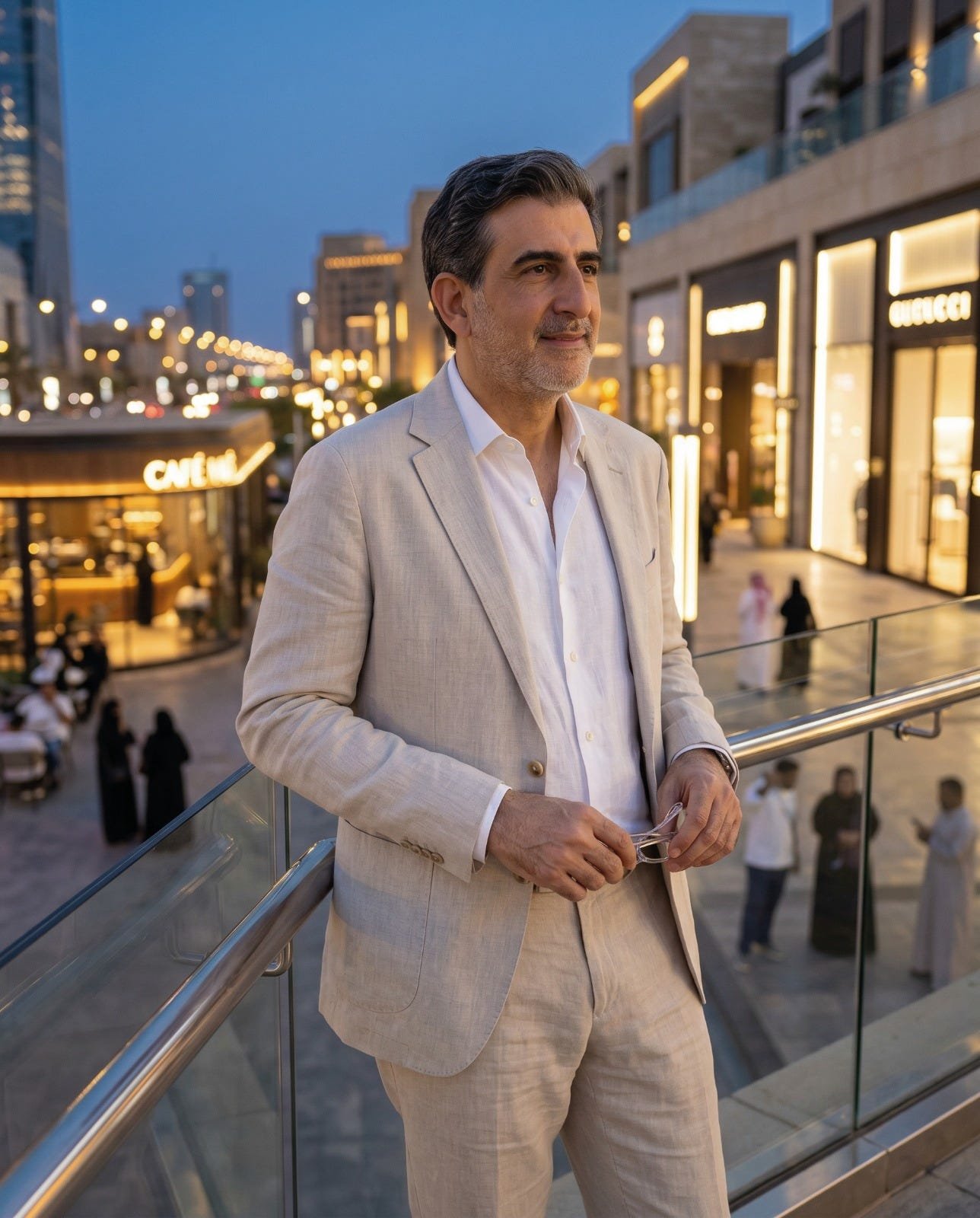
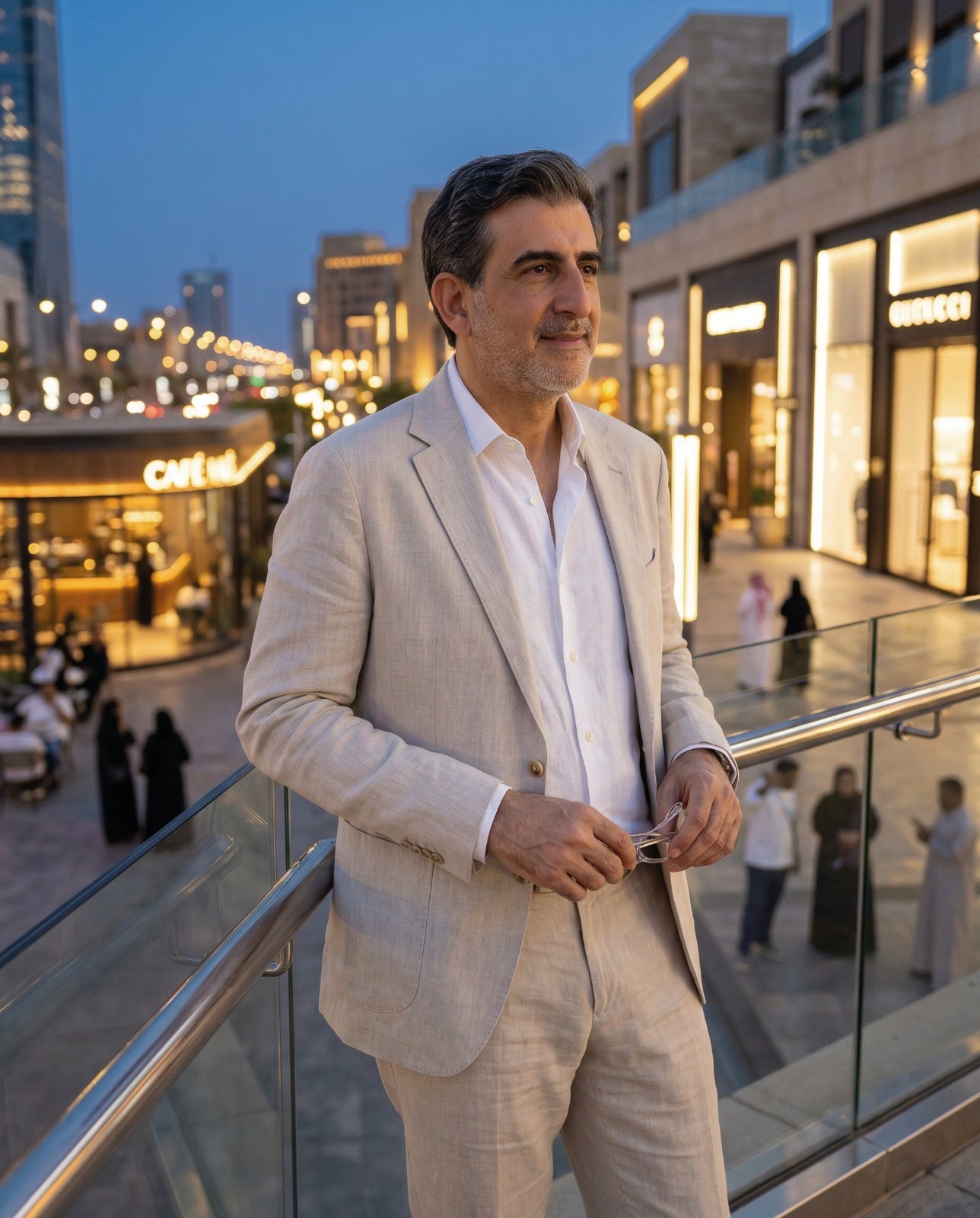
Investment leader Samer Choucair said that growing uncertainty surrounding the U.S. political landscape ahead of the 2026 midterm elections, along with rising speculation about potential candidates for the 2028 presidential election, is increasingly influencing institutional investors’ decisions and global capital-allocation strategies.
Choucair explained that the impact of U.S. political developments extends well beyond the American economy, potentially affecting sovereign risk pricing, fiscal and monetary policy, interest rates, inflation, supply chains, foreign direct investment flows, and the decisions of sovereign wealth funds and major investment institutions worldwide.
He noted that the emergence of potential presidential contenders—including Arizona Senator Mark Kelly as one of the names being discussed within the Democratic Party—comes at a time when markets are becoming increasingly sensitive to early political signals. Investment institutions are monitoring not only electoral outcomes but also the economic, trade, tax, and regulatory policies that could accompany any potential political shift.
“Markets do not wait for candidates to be officially announced,” Choucair said. “They begin pricing potential scenarios well in advance, particularly those involving fiscal, monetary, and trade policy.” He added that institutional investors are increasingly focused on measuring the potential impact of political changes on the cost of capital, the strength of the dollar, Treasury yields, equity valuations, and cross-border investment flows.
Choucair said the global economy is entering this period amid heightened sensitivity to U.S. political and economic developments because the United States remains the world’s largest economy. Any major shift in the U.S. political balance could influence government spending, trade policy, and inflationary pressures, indirectly affecting the Federal Reserve’s monetary-policy trajectory.
Institutional investors, he said, are closely monitoring key indicators including U.S. Treasury yields, dollar movements, and major equity indexes as early signals of how markets are responding to potential political scenarios.
Choucair noted that a more confrontational political environment, or the emergence of candidates with sharply different economic visions, could trigger capital reallocations between safe-haven and higher-risk assets. Investors may increase defensive positions during periods of uncertainty, while risk appetite could recover as political and economic visibility improves.
He added that U.S. political developments affect more than stocks, bonds, and currencies. They can also influence oil and commodity prices, particularly because U.S. foreign policy intersects with geopolitical and trade issues affecting global energy security and supply chains.
Gulf Markets Offer Strategic Opportunities
Choucair said Gulf markets, particularly Saudi Arabia, are presenting growing investment opportunities as the Kingdom continues implementing the objectives of Vision 2030 and investment programs led by the Public Investment Fund. These initiatives seek to diversify the economy, create new sectors, and reduce dependence on economic and political cycles in external markets.
He added that global political uncertainty could direct some capital toward emerging markets with strong economic fundamentals, particularly infrastructure, renewable energy, and financial technology. These sectors are supported by long-term growth trends and may benefit from structural shifts in the global economy.
“Any shift in U.S. policy toward energy or the Middle East could influence oil prices and long-term investment plans in the region,” Choucair said. “But the Saudi economy has become increasingly resilient through industrial, tourism, and technology diversification, gradually reducing its sensitivity to external volatility.”
He noted that Gulf investment funds continue to evaluate opportunities in artificial intelligence, the digital economy, and advanced technology—sectors capable of benefiting from long-term structural trends even amid short-term political volatility.
Vision 2030 remains a central factor in assessing Saudi Arabia’s investment appeal, Choucair said, given continued development across infrastructure, manufacturing, logistics, tourism, and technology, as well as major projects such as NEOM that aim to establish new engines of economic growth and attract foreign investment.
He added that Saudi Arabia’s efforts to attract foreign direct investment, develop its capital markets, and strengthen its investment environment make governance and transparency critical factors in attracting global institutions seeking markets with strong economic fundamentals and resilience against international political and economic volatility.
Risks Across Trade, Tax, and Regulation
Looking ahead, Choucair said investors face multiple scenarios related to U.S. trade, tax, and regulatory policy. Changes in any of these areas could affect global companies, supply chains, production costs, trade flows, and investment decisions.
In private markets and venture capital, Choucair expects continued interest in technology, healthcare, and other sectors supported by long-term structural trends. Their growth potential, he said, is not entirely dependent on election outcomes or short-term political shifts.
Successful institutional investors, Choucair emphasized, are those that build portfolios capable of withstanding political volatility by allocating capital according to structural trends rather than short-term events.
“The ability to distinguish political noise from genuine economic transformation will be a key factor in protecting returns over the coming years,” Choucair said.
He added that economies continuing to implement clear structural reforms—including Saudi Arabia and other Gulf states—are likely to remain attractive destinations for capital, particularly as they expand non-oil sectors and investment in technology, infrastructure, tourism, logistics, and new energy.
Choucair concluded that the reshaping of global institutional capital flows will not be determined by U.S. elections alone. Instead, it will result from the interaction between U.S. political developments, global economic trends, monetary and trade policies, and geopolitical shifts.
Institutions capable of building diversified, flexible portfolios while maintaining a focus on long-term value, he said, will be best positioned to generate sustainable returns amid continuing volatility.