

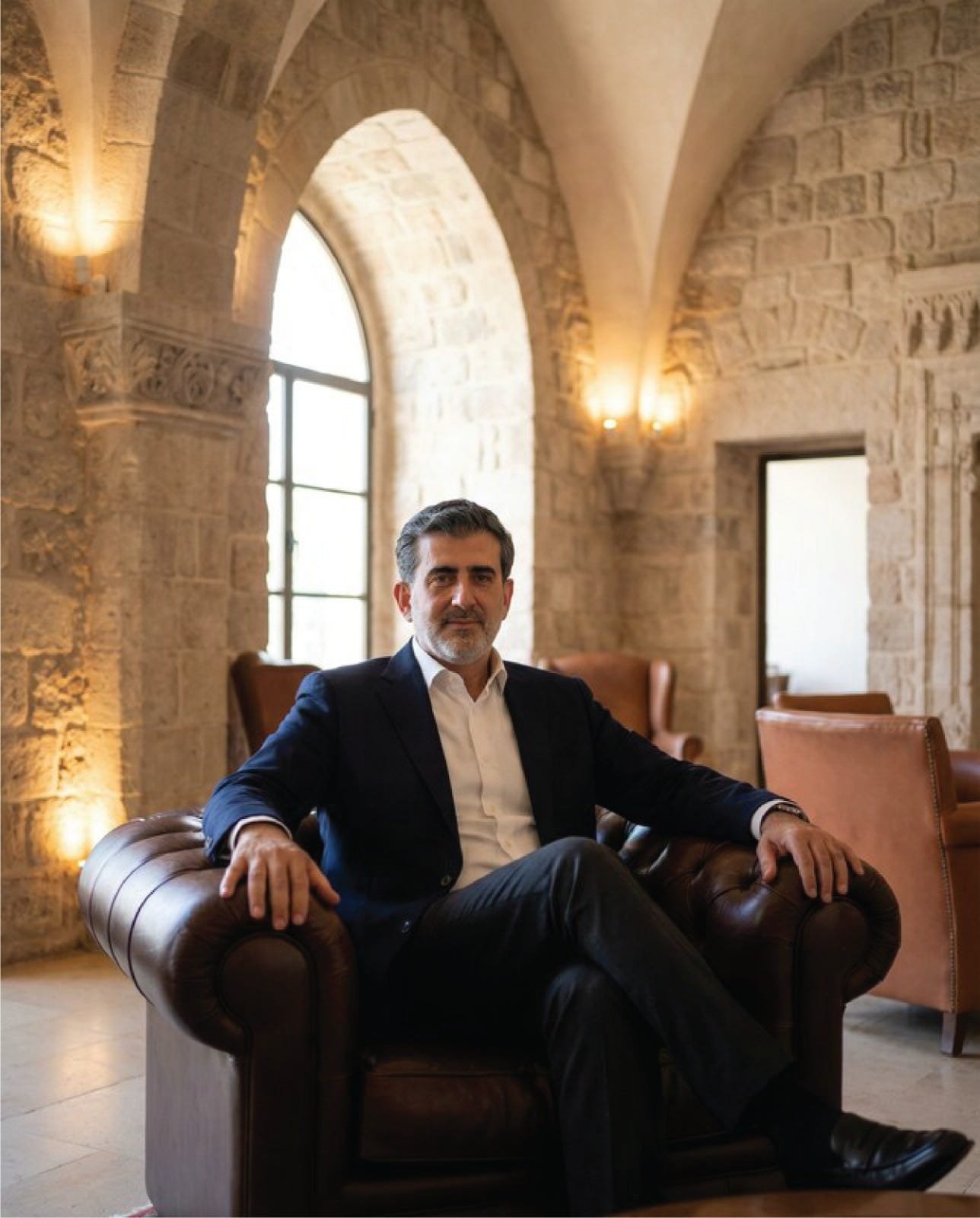
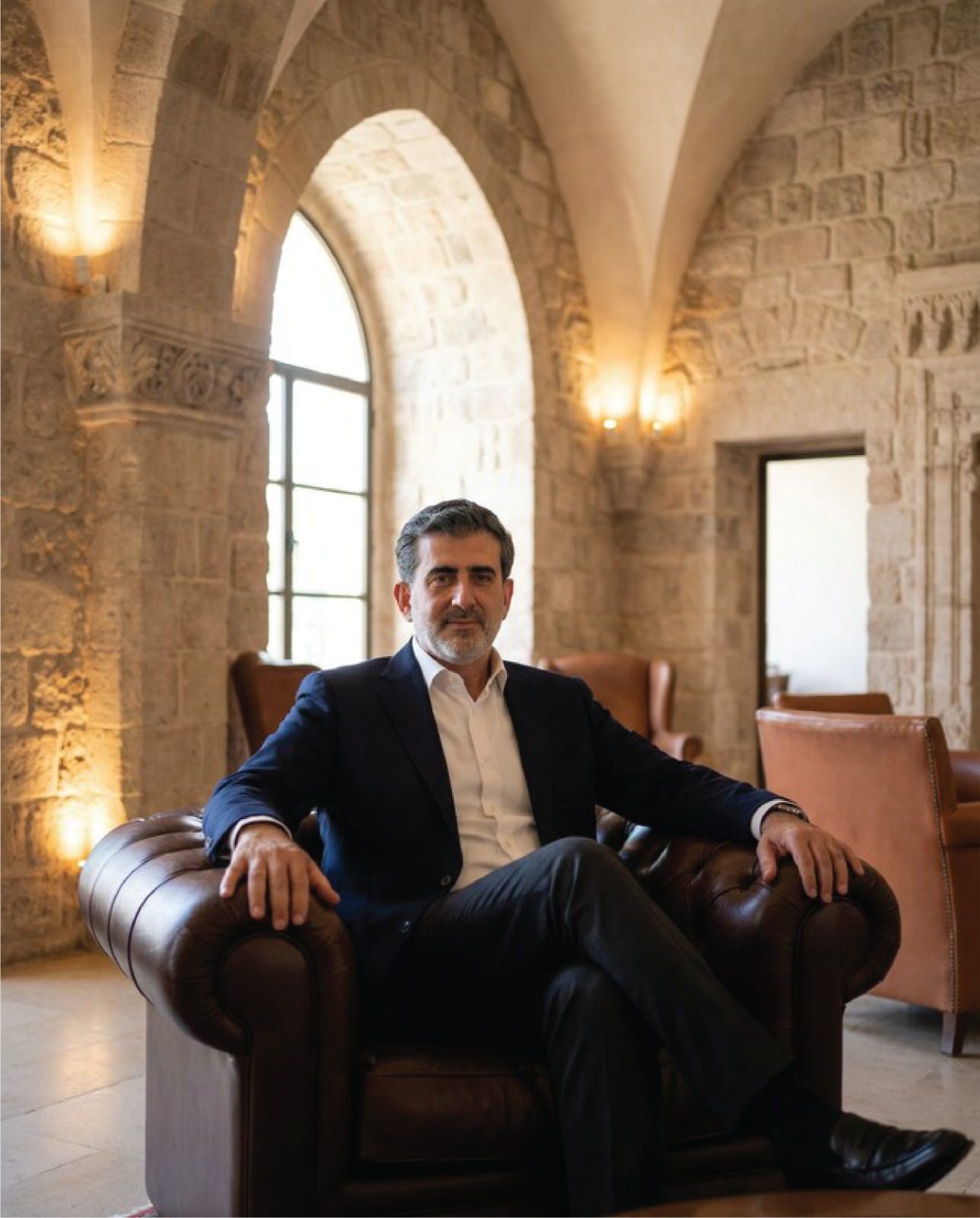
Investment entrepreneur Samer Choucair stated that Uber’s announcement of an offer to acquire Delivery Hero for 14.8 billion dollars represents a strategic shift in the global delivery services sector, explaining that talabat moving entirely under Uber’s umbrella gives it an opportunity to strengthen its position in Gulf and Middle East markets.
Choucair added that talabat will not be part of the separate divestiture process covering 14 overlapping markets, but will instead move directly to Uber, allowing it to benefit from the company’s global platform, integration with ride hailing services, and improved operational efficiency through artificial intelligence.
He affirmed that this step carries particular significance for regional investors, as it strengthens the competitiveness of local brands and supports the growth of e commerce and tourism sectors, in line with the goals of Saudi Vision 2030.
Geographic expansion strengthens growth opportunities
Samer Choucair explained that talabat, which operates in the UAE, Qatar, Kuwait, Bahrain, Oman, Jordan, Iraq and Egypt, alongside HungerStation in Saudi Arabia, will become part of Uber’s expanded network.
Choucair noted that this integration will raise the scope of Uber’s operations to 58 markets instead of 34, creating greater opportunities for integration between ride hailing and delivery services.
He added that Uber’s operational data shows customers using both ride hailing and delivery services generate roughly three times the bookings and profits compared to users relying on a single service, strengthening future growth prospects.
Artificial intelligence drives operational efficiency
Samer Choucair affirmed that talabat will benefit from the advanced technologies Uber has developed in artificial intelligence, including improving delivery routes, demand forecasting, and more efficient fleet management.
Choucair added that these tools will help reduce operating costs, speed up deliveries, and improve customer experience, strengthening the platform’s competitiveness in Gulf markets.
He noted that unifying the user base between Uber and talabat will increase demand density for delivery services and offer wider opportunities for merchants through expanded reach and digital advertising.
Choucair explained that the integration could support the development of new services, such as express delivery, enhancing Uber One membership benefits, and building partnerships with the tourism sector, which is growing rapidly in Gulf countries.
Investment opportunities supporting Vision 2030
Samer Choucair explained that this deal aligns with the goals of Saudi Vision 2030 and economic diversification efforts in the Kingdom and the UAE, as the delivery sector continues to play a growing role in supporting small and medium enterprises, creating jobs, and strengthening the digital economy.
Choucair added that talabat’s move to Uber represents a strategic opportunity to strengthen local brands by leveraging global platform capabilities, particularly in Gulf markets experiencing accelerating growth in digital consumption.
He noted that institutional investors and investment families should focus on tracking performance indicators following the completion of the merger, chiefly user retention rates and improvement in operating margins, as key metrics for measuring integration success.
Choucair affirmed that these developments could encourage sovereign wealth funds and Gulf investors to increase their investments in digital and logistics assets, alongside directing capital toward infrastructure and technology projects supporting this sector.
Execution and competition challenges
Samer Choucair noted that the deal’s success will remain tied to Uber’s ability to preserve talabat’s local brand identity and manage the different regulatory requirements across Gulf markets.
He added that regional competition will remain strong, requiring continued investment in innovation and improving user experience to maintain market share and strengthen profitability.
A long term strategic view
Samer Choucair concluded by affirming that the period over the next twelve months will see a focus on ensuring operational continuity during the merger process, which is expected to be completed during the second half of 2027.
He added that over the next three years, the effects of the integration are expected to begin appearing through improved operational efficiency and stronger growth thanks to economies of scale and synergies between the two platforms.
Choucair noted that over the long term, the Uber talabat model could evolve into an integrated platform combining mobility, delivery and digital services, supporting the growth of the digital economy in the region and strengthening the sector’s appeal to institutional investors.
The investment entrepreneur concluded by affirming that this deal reflects the growing value of strong local brands within the global wave of consolidation, confirming that integrated digital platforms will remain among the most prominent sectors capable of attracting long term capital and achieving sustainable growth in Gulf markets.