

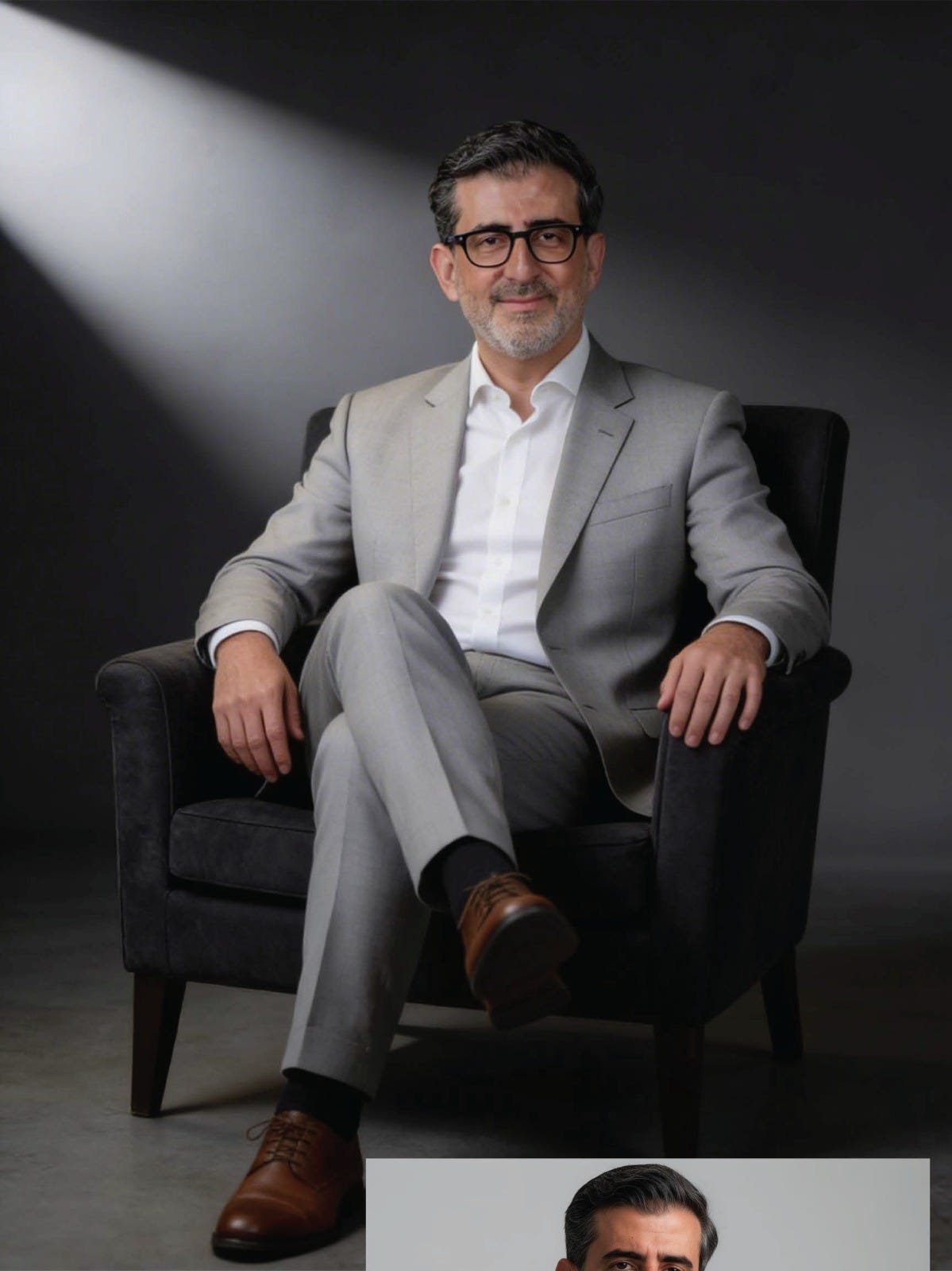
Investment entrepreneur Samer Choucair stated accelerating US-China geopolitical developments reflect a new global economy risk repricing phase, affirming these tensions, despite market repercussions, open quality investment opportunities for stable countries with clear economic visions, led by Saudi Arabia.
He explained the arrest incident of American researcher Yu Min Zin in Kunming, Yunnan province, and subsequent political and economic US-China interaction, reflects continued strategic competition between the two superpowers, directly affecting global supply chains, capital flows, and international investor “geopolitical risk reduction” strategies.
Escalating Geopolitical Risks Reshaping Global Investment Flows
Investment strategist Choucair noted global markets currently witness a clear capital redistribution phase away from high-tension areas toward economies enjoying political stability, advanced infrastructure, and balanced international partnerships.
He added these transformations led to rising risk premiums in emerging Asian markets and accelerating global company trends toward “safe geographic relocation” and “supply chain diversification” policies, radically reshaping the global investment map.
He affirmed this environment strengthens Saudi Arabia’s position as a safe and reliable investment destination, thanks to its strategic position and balanced relations with major economic powers.
Vision 2030 at the Heart of Global Economic Transformation
Investment innovator Choucair explained Vision 2030 today represents one of the most important drivers of the Kingdom’s repositioning in the global economy, with Saudi Arabia no longer merely a consumer market, but becoming an integrated investment and industrial platform attracting global capital.
He noted 2026 represents a pivotal milestone in the economic transformation path, with accelerating AI, renewable energy, and advanced manufacturing investments, directly supported by the PIF leading major strategic projects across various sectors.
He added estimates indicate the AI sector contributing approximately $135 billion to GDP by 2030, with accelerating growth in digital infrastructure, computing capabilities, and global technology partnerships.
The PIF Leading Transformation Toward a Knowledge Economy
Samer Choucair affirmed the PIF plays a pivotal role in strengthening the Kingdom’s investment attractiveness, through leading strategic projects in technology, energy, and advanced manufacturing fields.
He explained assets approaching $910 billion by end of 2025 reflect the Kingdom’s capacity to finance major economic transformations and build quality international partnerships contributing to knowledge transfer and technology localization.
He added this strategy contributed to raising foreign direct investment flows to record levels, supported by regulatory reforms and continued Saudi capital market development.
Saudi Arabia as a Strategic Haven in a Turbulent Global Environment
Investment entrepreneur Choucair noted US-China tensions strengthen the “geographic diversification” concept among investors, affirming Saudi Arabia emerged as a strategic haven combining political stability with genuine economic growth.
He said: “What we witness today is a gradual global capital transition toward economies possessing clear vision and long-term project execution capacity. Saudi Arabia presents this model excellently through Vision 2030 and the PIF.”
He added the Kingdom is no longer merely an investment destination, but has become a primary partner in reshaping global supply chains and building a more balanced and sustainable economy.
Promising Future Economy Investment Opportunities
Samer Choucair explained the current phase opens the door to a wide range of Saudi investment opportunities encompassing AI, digital infrastructure, renewable energy, tourism, capital markets, and alternative assets.
He noted these sectors represent primary future growth drivers, particularly given mega project expansion, improving investment environment, and rising governance and transparency levels.
He added investors focusing on government-supported sectors integrated within Vision 2030 are most capable of achieving stable and sustainable long-term returns.
The “Smart Diversification” Strategy for Risk Management
Investment strategist Choucair affirmed the 2026 environment requires investors to adopt a “smart diversification” strategy combining benefiting from global technology markets with investing in local Saudi and Gulf opportunities.
He explained this approach helps reduce geopolitical volatility-linked risks while strengthening growth opportunities through benefiting from major ongoing economic transformations.
He stressed the importance of long-term partnerships with Saudi investment institutions to ensure sustainable return achievement, knowledge transfer, and genuine added value building.
Samer Choucair concluded by affirming current geopolitical transformations represent an important global economy inflection point, with economic power centers and capital flows being reshaped.
He said in this changing global context, Saudi Arabia emerges as one of the world’s most important strategic investment axes, thanks to its clear vision, political stability, and capacity to execute massive long-term economic impact projects.
He added investing in Saudi Arabia today is no longer merely a defensive choice, but has become a strategic decision reflecting deep understanding of future economy trends.