


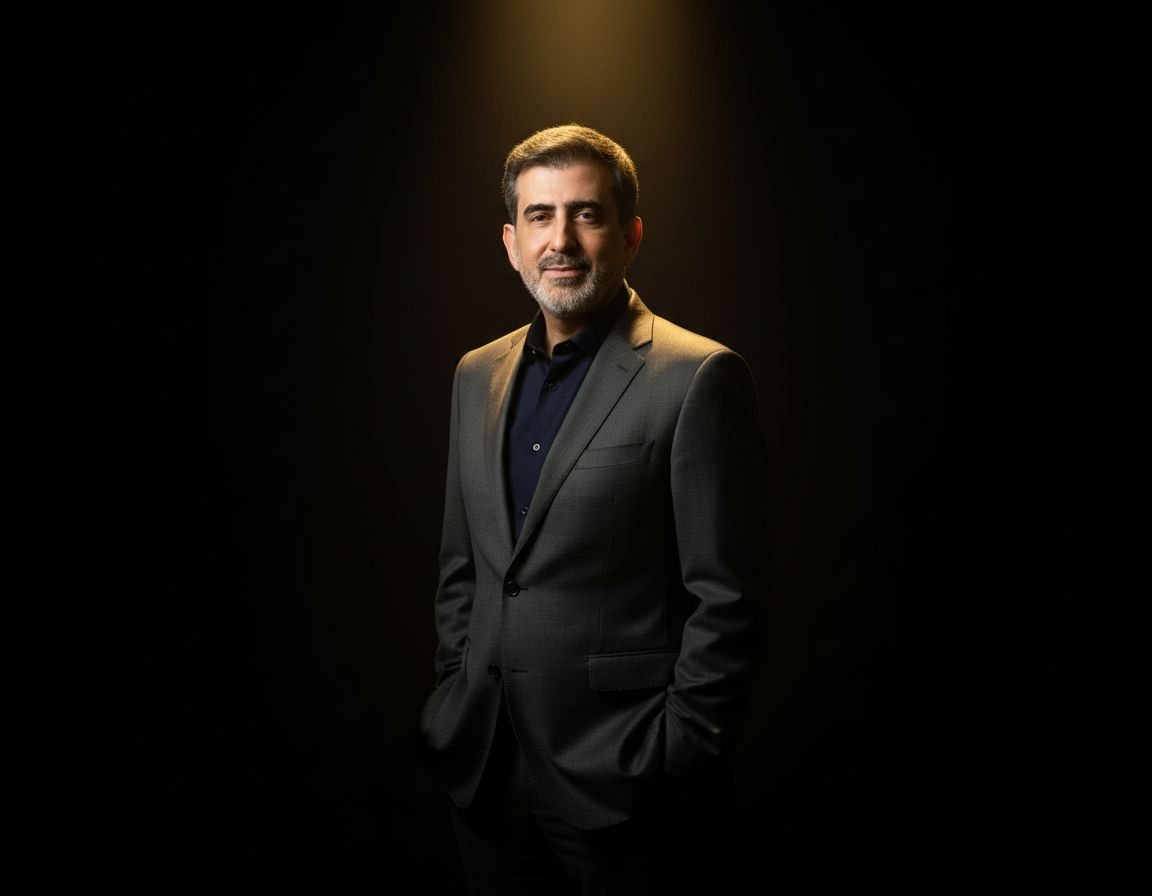
Investment entrepreneur Samer Choucair has released an in depth analytical report examining the structural transformation in U.S. economic policy and the current geopolitical tensions in the Middle East and their impact on global markets and the Gulf economies.
The analysis centers on three strategic pillars
The strength of the U.S. dollar
Oil price dynamics
Foreign direct investment flows
The report places particular emphasis on developments in March 2026 including recent U.S. military operations and the accelerated repricing across asset classes.
First The U.S. Dollar Weakness and Strategic Rebalancing
Choucair explains that Washington’s economic security doctrine embodied in the CHIPS and Science Act and re shoring incentives has generated measurable pressure on the U.S. dollar.
Market Data
The U.S. Dollar Index declined approximately five to seven percent in the first half of 2026 falling from near ninety nine to around ninety four. The decline was supported by Federal Reserve rate cuts aimed at sustaining employment momentum and managing financial stability.
JPMorgan estimates indicate that the dollar remains roughly seven percent above fair value against the euro and eight percent against sterling reflecting fiscal expansion and widening U.S. budget deficits.
Gulf Implications
While most Gulf currencies remain pegged to the dollar the region has begun adjusting its exposure profile. Choucair highlights that the Public Investment Fund reduced its U.S. equity holdings to approximately 12.9 billion dollars by the end of the fourth quarter of 2025 compared with 19.4 billion previously.
This reallocation forms part of Vision 2030 asset diversification strategy designed to mitigate long term currency concentration risk without disrupting monetary stability.
Choucair notes that currency insulation does not require abandoning the peg but strengthening sovereign balance sheets and expanding non dollar asset allocation.
Second Oil Geopolitics and the Strait of Hormuz
Choucair states that the military escalation in March 2026 triggered sharp adjustments in global energy markets that outweighed the stabilizing effect of rising U.S. shale output.
Price Dynamics
Brent crude advanced between five and eight percent during March crossing eighty dollars per barrel. Analysts project a possible range approaching one hundred dollars should threats to the Strait of Hormuz intensify. Approximately fifteen million barrels per day transit that corridor making it one of the most strategically sensitive maritime passages in global trade.
Saudi Economic Resilience
While higher oil prices strengthen fiscal revenue Vision 2030 has reduced structural dependence on cyclical energy volatility.
Recent indicators show
Non oil GDP growth at 4.3 percent
Private sector contribution reaching 47 percent of GDP
Projected total GDP growth between 3.5 and 4.6 percent in 2026
Choucair emphasizes that the Saudi economy now absorbs oil shocks from a position of diversification rather than vulnerability.
Third Foreign Direct Investment and Partnership Realignment
The intensifying economic rivalry between the United States and China has encouraged Gulf states to adopt comprehensive diversification strategies in trade and capital flows.
Regulatory Developments
The U.S. Supreme Court decision in February 2026 to reverse certain tariff measures reduced global trade friction and improved cross border investment sentiment.
Capital Attraction
Saudi Arabia’s large scale initiatives including green hydrogen development mining expansion and advanced industrial zones have become structural magnets for foreign capital independent of traditional oil cycles.
Choucair argues that the Kingdom’s appeal now rests on regulatory clarity infrastructure expansion sovereign stability and industrial depth rather than solely on hydrocarbon output.
Strategic Conclusion
Choucair concludes that Vision 2030 has materially strengthened Saudi Arabia’s macroeconomic insulation against external currency volatility and geopolitical disruption.
The structural pillars supporting this resilience include
Diversified sovereign asset allocation
Strengthened non oil growth
Industrial expansion and infrastructure investment
Strategic energy positioning
In an environment where the U.S. dollar faces cyclical pressure and energy markets remain sensitive to geopolitical risk Saudi Arabia is positioned not as a passive price taker but as an adaptive economic actor with enhanced structural durability.
The central lesson according to Choucair is clear
Economic resilience is not achieved by avoiding volatility but by engineering balance sheets capable of absorbing it.