
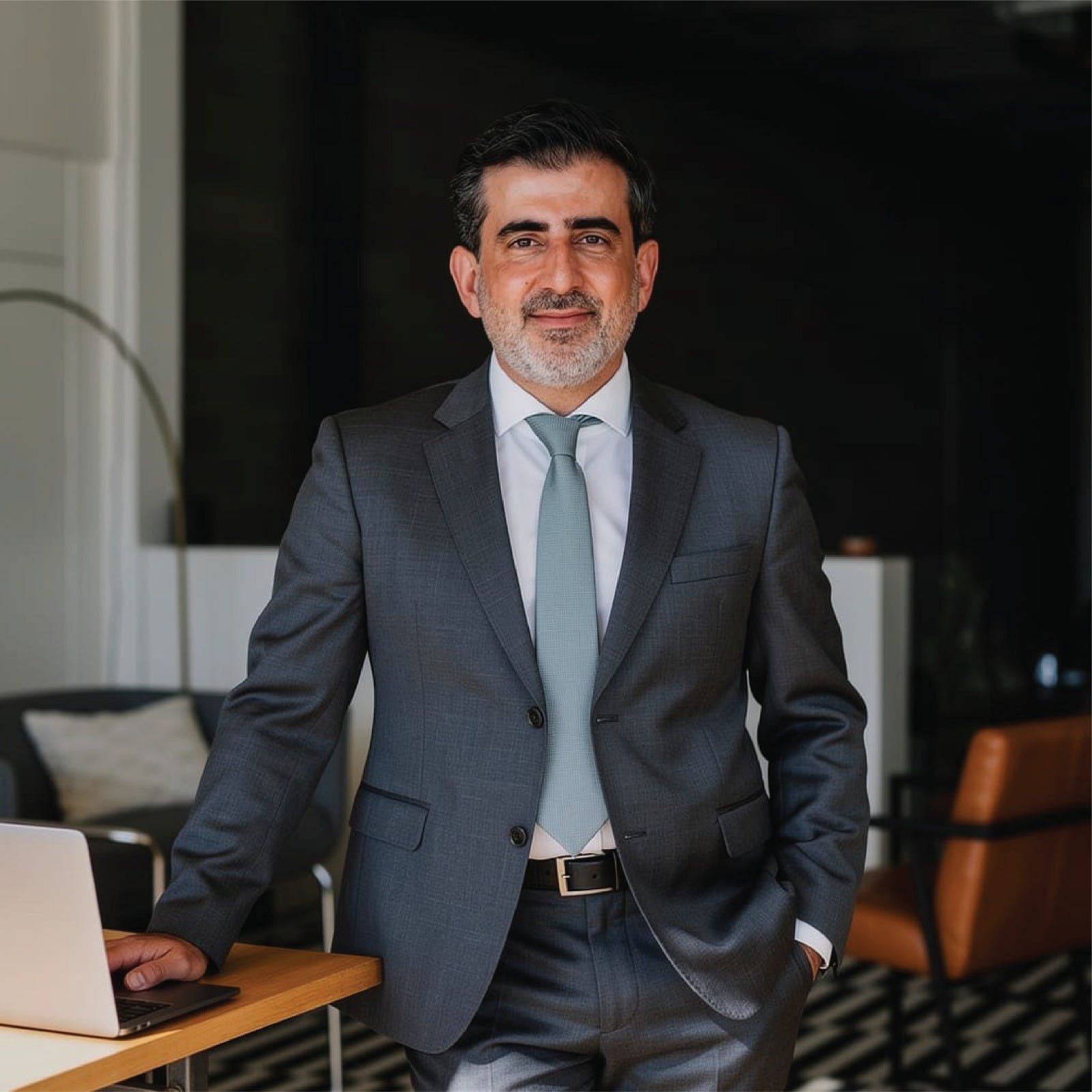
Investment entrepreneur Samer Choucair said that Mars’s announcement of launching a new version of M&M’s candy in August 2026, completely free of artificial dyes, represents a clear indicator of the accelerating shift underway in the global food industry toward natural, clean products.
He explained that the new version will be released without the blue and brown colors that have been associated with the product for many years, noting that this decision came as a result of technical challenges and the high costs of replacing these two colors with effective natural alternatives, chiefly spirulina, which is a high-cost natural option.
He added that this step came in response to the “Make America Healthy Again” (MAHA) initiative led by US Health Secretary Robert F. Kennedy Jr., affirming that the decision reflects a growing global trend toward products free of synthetic ingredients and additives.
Natural Colors Redraw the Food Sector’s Map
Choucair noted that global food companies are facing growing challenges in replacing synthetic dyes, whether in terms of cost or technical aspects, but these challenges have conversely created new investment opportunities across various links of the supply chain.
He explained that opportunities extend from extracting natural colors from sources such as beets, turmeric, and algae, all the way to manufacturing final food products that rely entirely on natural ingredients.
He pointed out that the global natural food coloring market is expected to reach roughly 2.5 billion dollars during 2026, with a compound annual growth rate ranging between 7% and 8.8% through 2033, reflecting the strength of future demand for this sector.
Vision 2030 Strengthens Growth Opportunities in the Kingdom
Choucair affirmed that Saudi Arabia possesses strong fundamentals to benefit from this global shift, given the support Vision 2030 provides for food manufacturing, food security, and improving quality of life sectors.
He explained that the size of the Kingdom’s food and beverage market is estimated at roughly 38.4 billion dollars during 2026, with expectations of annual growth of 5.6% to reach 50.4 billion dollars by 2031.
He added that policies supporting local production, alongside the direction toward healthy and sustainable options, and taxes imposed on sugary beverages, are pushing companies to develop products based on natural ingredients and formulas more aligned with modern consumer requirements.
Saudi Arabia’s Bid to Become a Regional Clean Food Hub
Choucair said that what happened with M&M’s wasn’t just a color adjustment for one of the most famous candy brands, but a clear signal of a structural shift in consumer preferences around the world.
He noted that the Kingdom possesses a strategic opportunity to become a regional hub for the clean food industry, benefiting from its geographic location, manufacturing capabilities, and investment-supporting programs.
He added that investors in the Gulf can benefit from this trend by focusing on food companies adopting natural ingredients, or by establishing partnerships with global companies to develop local supply chains aligned with sustainability standards and halal product requirements.
Where the Opportunities Lie
Choucair explained that he sees genuine investment opportunities in the agricultural technology (AgriTech) sector, particularly in projects tied to locally extracting natural ingredients, aligning with Vision 2030’s targets aimed at strengthening manufacturing industries and reducing reliance on imports.