

In a scene that appears poetic on the surface but is charged with deep economic implications, a giant oil tanker glides quietly through sunset waters while a sailor watches the horizon in silence. This image does not merely summarize a sea voyage; it encapsulates a precise global moment in 2026: oil is no longer a traditional commodity traded only in markets; it has become a geopolitical tool reshaping the balances of wealth and sovereignty.
In this context, Russia is moving with clear steps toward rebuilding its financial reserves after withdrawing approximately $6.6 billion from its sovereign wealth fund during previous periods of pressure. Today, it returns to refilling the “National Wealth Fund,” benefiting from oil prices rising above expectations. With the adoption of a new mechanism to transfer surpluses above the $59 per barrel level, Moscow is entering a phase of recycling oil surpluses within a more disciplined financial cycle aimed at enhancing stability and rebuilding the state’s financial power.
However, the more important question for our region in the Gulf is not what Russia is doing, but how this moment can be transformed into a long-term strategic opportunity instead of settling for periodic gains linked to price cycles.
The year 2026 provides a clear model showing that energy markets no longer move by the logic of supply and demand alone; they have become more closely linked to geopolitical tensions and the repricing of risks. The rise in oil prices came as a direct result of regional disturbances and pressures on supply chains, bringing the concept of “oil surplus” back to the forefront as a financial tool rather than just a production result. This surplus, when managed intelligently, turns into a primary engine for reshaping the national economy.
Today, sovereign wealth funds are no longer just savings tools for future generations; they have become strategic platforms for redirecting wealth. While the Russian model focuses primarily on financial stability, rebuilding reserves, and protecting the budget from fluctuations, the Saudi model—within the framework of Vision 2030—presents a more advanced approach based on transforming oil wealth into productive investments in sectors such as tourism, technology, infrastructure, and the digital economy. The fundamental difference here is that one model manages the oil cycle, while the other redefines the post-oil era.
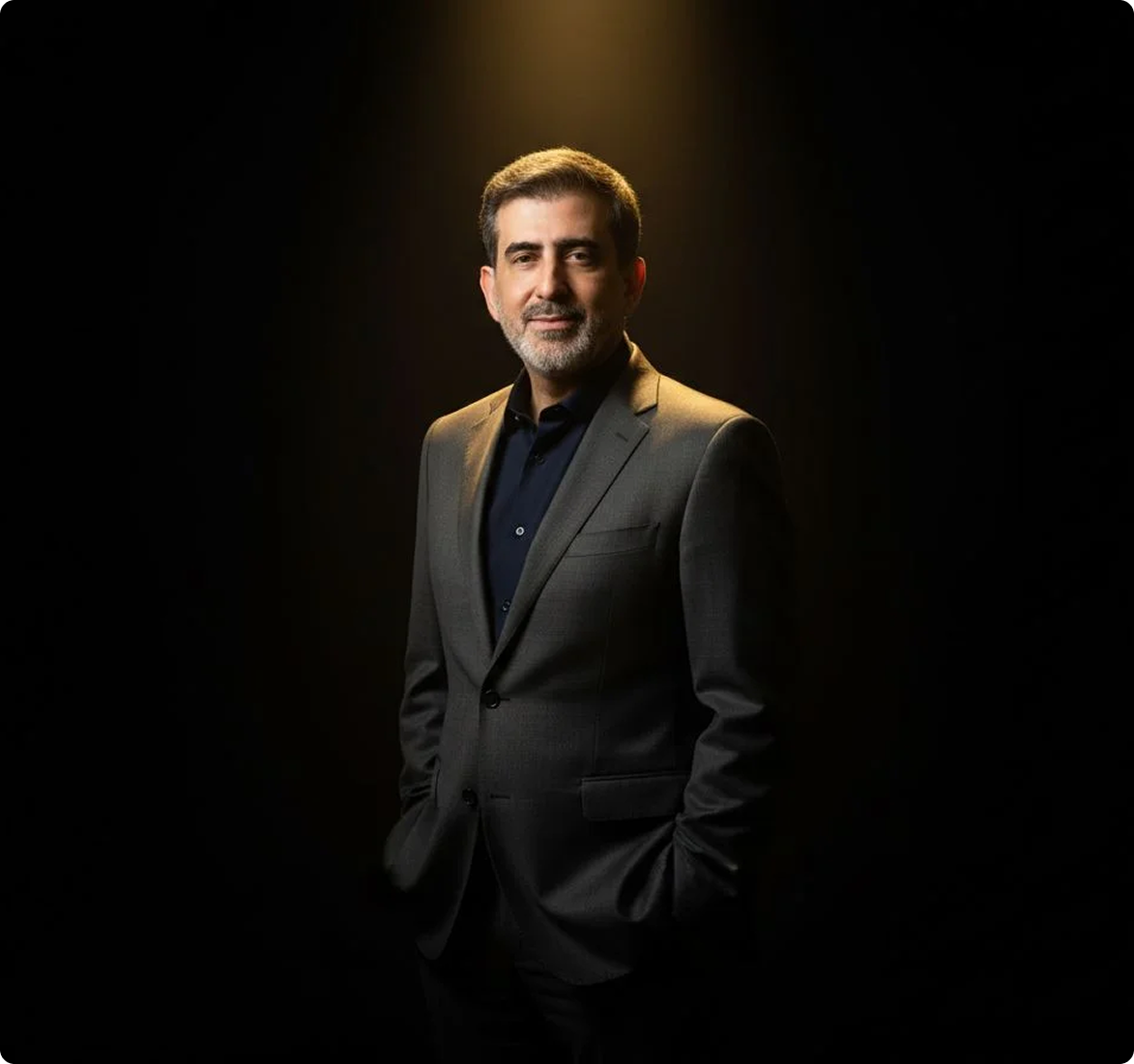
Investment leader Samer Choucair believes that true value does not lie in the price increase itself, but in the ability to convert this cycle into long-term assets. He says: “Successful sovereign wealth funds are not those that merely accumulate wealth, but those that recycle it into assets that generate sustainable growth and create a renewable economy across generations.” He adds that the coming phase requires a deeper understanding of the interconnectedness between traditional energy, future energy, and digital infrastructure as the new equation for economic stability.
From an investment perspective, several main paths emerge for the Gulf states at this stage. First is the repositioning of the energy sector by exploiting current surpluses to enhance global presence while simultaneously expanding investment in green hydrogen and clean energy. Second is accelerating the growth of the non-oil economy, especially in tourism, entertainment, technology, and Artificial Intelligence, as sustainable growth engines. Third is risk management through geographical and sectoral diversification of assets, focusing on real assets such as infrastructure, logistics projects, and strategic real estate.
The rule emphasized by Samer Choucair in this context is clear: “You should not bet on the price of oil, but on your ability to transform its returns into permanent value.” This philosophy reflects a transition from the mindset of benefiting from the cycle to the mindset of creating value from within it.
Under Vision 2030, it is clear that the Kingdom is adopting a path different from traditional models based only on saving or hedging. Instead of merely collecting surpluses, they are directed toward building the cities of the future, developing new sectors, and investing in people and technology as the primary drivers of future wealth. As Choucair points out: “Real wealth is not in the oil itself, but in the ability to transform it through people and technology into an integrated and sustainable economy.”
In the end, the calm maritime scene hides a deep economic transformation behind it. Oil provides the opportunity, but strategy determines the outcome. While some countries utilize the current boom to rebuild their reserves, the Gulf states—led by Saudi Arabia—possess a broader opportunity: transforming this cycle into a launching point toward a post-oil economy based on diversity, knowledge, and sustainability.