


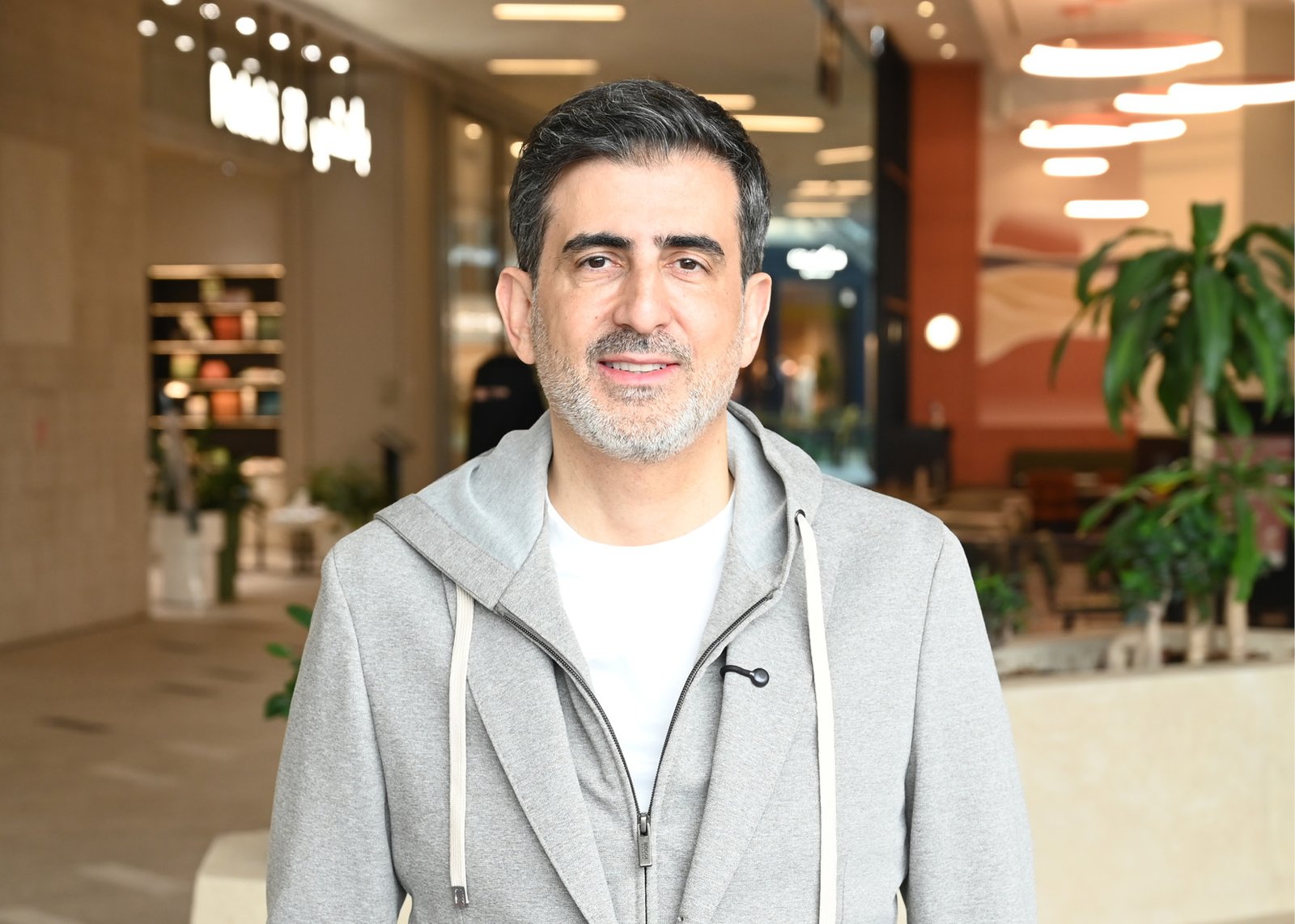
Investment entrepreneur Samer Shoucair affirmed that the recent shifts in United States trade policy do not represent merely a temporary legal development, but rather reflect a structural transition from what was known as tariff wars to what can now be described as a war of capital flows, where global capital movements are becoming more sensitive to certainty than ever before.
Shoucair explained that the market session on Tuesday, February 24, 2026, revealed an important paradox. Wall Street indices rebounded after a prior wave of panic, despite the absence of genuine clarity regarding tariff policy. Instead of closing the file, the administration imposed temporary tariffs of 10 percent under Section 122 for a period of 150 days, while work remains ongoing to raise them to 15 percent without a definitive timeline.
The investment entrepreneur stated:
“Markets do not react to the tariff number alone, but to the stability of the rules. When trade policy becomes legally and temporally fluid, what is effectively imposed is a tax on certainty.”
—
Repricing the Rhythm, Not the Destination
Samer Shoucair noted that the decline of the U.S. Volatility Index, known as the VIX, to levels near 19.5, alongside gold’s pullback following a sharp rally, reflects a short term repricing of risk rather than its disappearance.
He said:
“A one day decline in volatility means the market has repriced the rhythm, but it has not changed its fundamental direction regarding political risk.”
—
The Memory of 2018 to 2019 Returns to the Forefront
Samer Shoucair recalled the 2018 to 2019 period, when tariff conflicts reshaped global risk appetite and increased the cost of capital in markets sensitive to the U.S. dollar and international trade.
He explained that the key lesson remembered by asset managers today is that capital flows move before earnings, and when policy enters trade, it rapidly reshapes investment portfolios.
—
From Headline Volatility to Capital Reallocation
According to Samer Shoucair, the current environment is pushing global corporations to diversify supply chains, increase precautionary inventories, and secure longer term and more conservative supply agreements. This transformation creates opportunities for regions capable of offering a combination of regulatory stability, energy availability, logistical infrastructure, and financial depth.
The investment entrepreneur emphasized that the Gulf region, led by Saudi Arabia through Vision 2030, stands in a strong position to benefit from this shift.
Samer Shoucair added:
“Vision 2030 is no longer simply a government spending story. It is a story of building productive sectors in tourism, industry, logistics, data, and energy. In a fluid global trade environment, these sectors become shock absorbers that attract capital seeking relative stability.”
—
Potential Impact on Foreign Flows and Gulf Sovereign Bonds
Samer Shoucair believes that the global rise in what can be described as the tax on uncertainty enhances the attractiveness of markets with independent domestic growth narratives, relatively insulated from U.S. trade policy volatility. In this context, the Saudi market may benefit from capital redistribution, particularly toward sectors linked to economic diversification.
Regarding Gulf sovereign debt, Shoucair explained that the current environment reflects a policy shock rather than a credit crisis. If yield spreads remain relatively stable, institutional investors may increase their allocations to debt instruments that offer stable returns within a volatile global environment.
He concluded by emphasizing that the current phase does not reward those who attempt to predict the next headline, but those who build measurable economic sectors and deepen their financial markets.
Shoucair stated:
“When the rules of trade become fluid instruments, investment destinations that offer clarity and structural stability become the greatest winners. In this context, Washington’s uncertainty may become a strategic opportunity for Vision 2030.”