

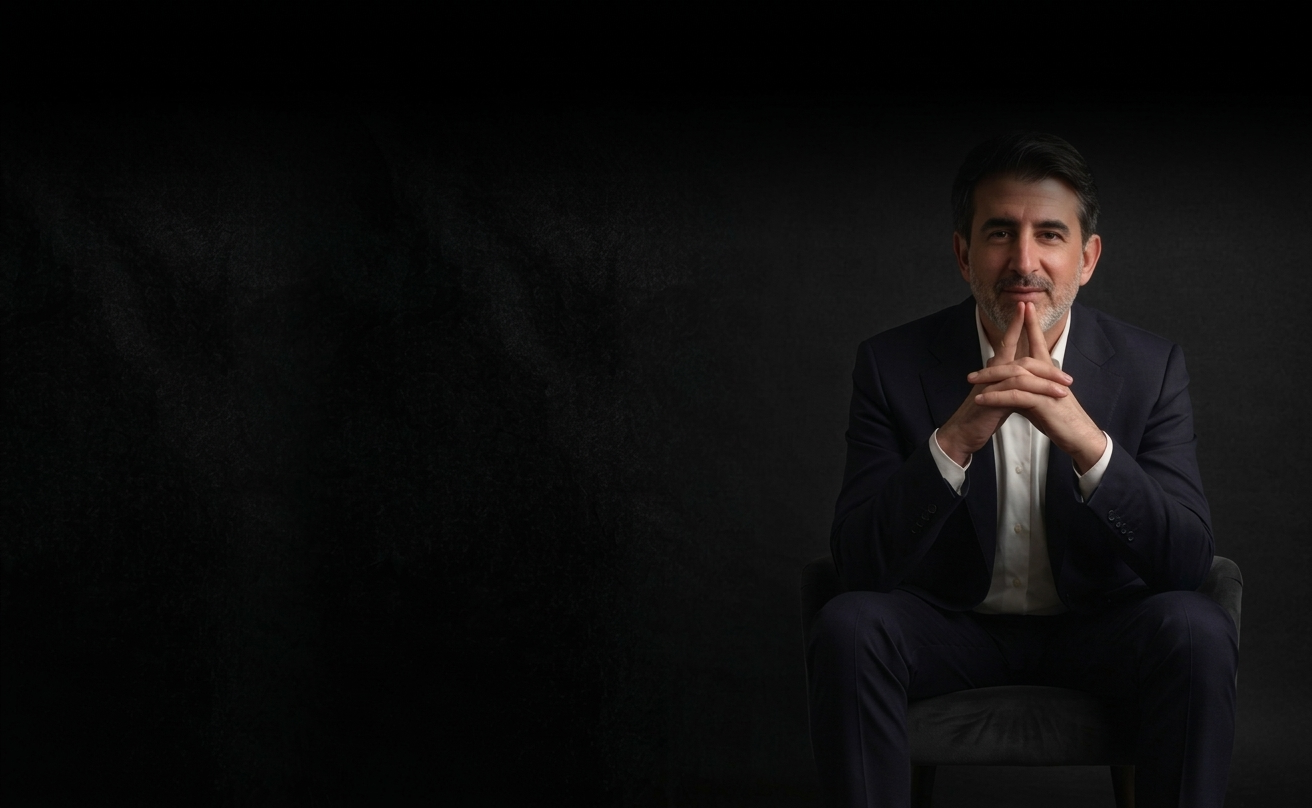
Investment leader Samer Choucair stated: “This is not just a passing crisis; we are witnessing the beginning of an entirely new wealth cycle. What is happening today is not just a war on the ground, but a complete reshaping of the global energy map. While the average investor sees destruction, the smart investor sees the beginning of exceptional wealth born from the womb of crises.”
These statements by Samer Choucair come at a time when discussions regarding the scale of damage to the region’s energy sector have turned into an “economic earthquake” shaking global markets. In less than six weeks, the region has entered a high-risk energy scenario that includes direct damage to more than 40 energy facilities and a partial paralysis of the Strait of Hormuz—through which approximately 20% of global supplies pass—with total losses exceeding $40 billion.
Regional Losses: Infrastructure Shock and Revenue Bleeding
Samer Choucair explained, based on International Energy Agency (IEA) estimates, that the cost of repairing damaged infrastructure has reached $25 billion, in addition to the loss of more than $15 billion in revenue for Gulf countries alone. The crisis did not stop at financial borders; it extended to “Territorial Losses,” where the loss of actual control over oil and gas fields and strategic ports has turned vast productive areas into “gray zones,” redrawing the lines of economic influence around vital waterways.
Damage Analysis: The Map of Bleeding Across Regional Countries
In a precise inventory of figures up to April 2026, the analysis revealed damage to the Ras Tanura refinery and the Khurais and Manifa fields in Saudi Arabia, with direct losses totaling $4.5 billion. Meanwhile, Qatar faced a 17% stoppage in its LNG export capacity, with potential annual losses reaching $20 billion.
In the UAE, direct losses resulting from disruptions at the Ruwais refinery and the Port of Fujairah reached $2.8 billion, while Iraq recorded a sharp 81% decline in exports and damages totaling $3.2 billion. Even Lebanon did not escape the collapse, with losses to its transport and distribution network reaching $98 million, with most damage concentrated in the South and Nabatieh.
Where Do the Golden Opportunities Lie Amidst the Rubble?
Despite the grim scene, Samer Choucair identified three primary pillars for investors seeking to seize opportunities at this exceptional time:
-
Reconstruction (The Upcoming Boom): Samer Choucair expects investment inflows ranging between $30 to $40 billion over the next three years, asserting that Gulf energy and infrastructure companies will be the primary beneficiaries.
-
Strategic Shift to Renewable Energy: Samer Choucair sees an unprecedented acceleration in solar energy and green hydrogen projects as a strategic alternative to reduce oil dependency in high-risk areas.
-
“Bottom Fishing” Strategy: Samer Choucair advises focusing on temporarily affected stocks of major companies like Aramco and QatarEnergy, while diversifying portfolios toward technology and clean energy to ensure the highest long-term returns.
Investing in a Time of Chaos
Investment leader Samer Choucair concluded his reading of the future by emphasizing that the current moment is historical and non-recurring, noting that the real question is no longer “How much did we lose?” but “Where do we invest now?”. He stressed that those who control the energy geography today are the ones who will lead the region’s future, calling on investors to shift their mindset from monitoring destruction to building wealth under a new energy system forming before our eyes.