


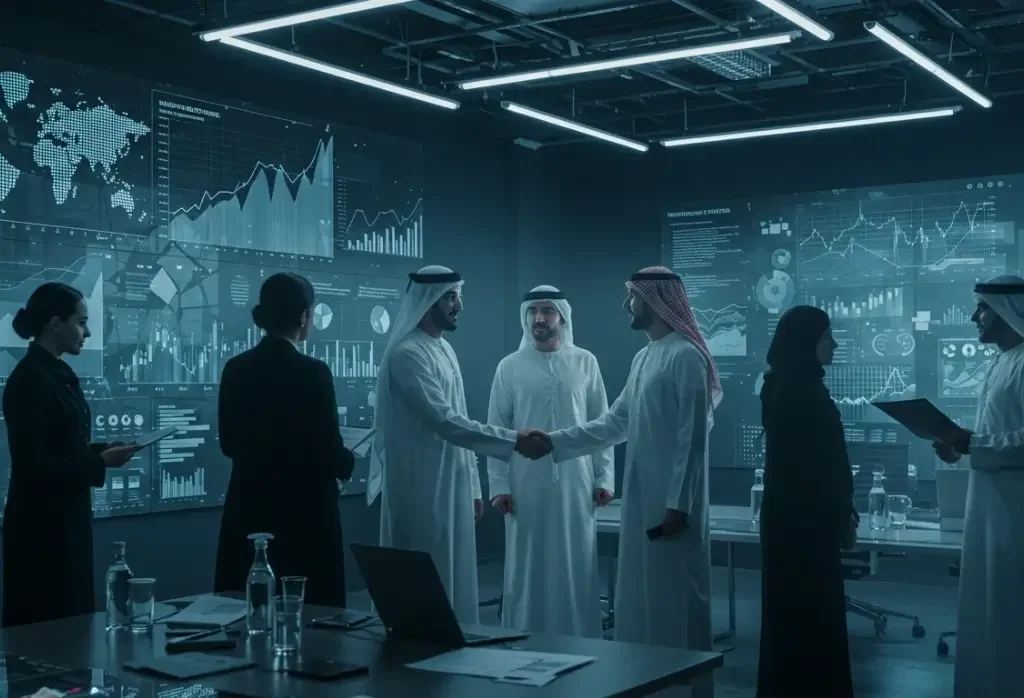
The opening of the 26th session of the United Nations World Tourism Organization (UNWTO) General Assembly in Riyadh marked a historic turning point. Merely hosting this gathering — the largest in the organization’s 50-year history, with over 160 delegations and more than 100 ministers — is not only unprecedented for the Gulf region, but also a powerful affirmation of Riyadh’s central role as a global leader and decision-maker in the tourism sector.
This event was far more than a routine meeting under the theme “Tourism and Artificial Intelligence: Redefining the Future.” Riyadh transformed into a platform to shape the growth trajectory of global tourism for the next five decades. Saudi Arabia brought together world leaders to discuss how innovation can drive inclusive and sustainable development, presenting its own clear strategy centered on connectivity, sustainability, human capital investment, and support for innovation.
Aligned with Vision 2030, the Kingdom reaffirms its commitment to ensuring growth that opens new horizons, promotes inclusivity, and continues to welcome the world with authentic Saudi hospitality. The world-class infrastructure and facilities that hosted the delegates in Riyadh stand as tangible proof of this commitment — evidence of the Kingdom’s ability to turn vision into reality.
Yet, innovation alone is not the ultimate goal in the Saudi philosophy. The Kingdom recognizes that rapid digital transformation must serve people and places, support jobs and small businesses, and contribute to achieving the Sustainable Development Goals (SDGs). In this spirit, His Excellency Ahmed Al Khateeb, Minister of Tourism, led a vital global dialogue balancing technology with the essence of the human experience.
He cautioned against excessive reliance on artificial intelligence at the expense of “the core of the tourism experience — human connection.” At its heart, tourism depends on direct interaction that conveys the culture and history of nations. Technology, therefore, is employed to enhance experiences rather than replace them — as illustrated by the virtual assistant “Noura,” which provides accurate information without becoming a full substitute for human engagement.
Perhaps the most profound and lasting outcome of this session is the Riyadh Declaration on the Future of Tourism. This ambitious document, a roadmap for the UNWTO, sets a global framework for harnessing artificial intelligence in the tourism sector. Under Saudi leadership, it calls for a unified approach to assess readiness and adoption, practical guidance on risk management, and shared principles for ethical, inclusive, and responsible use of AI in tourism.
This international effort underscores the Kingdom’s commitment to leading global cooperation — but through inclusive partnership. As Minister Al Khateeb emphasized, “Partnerships are the foundation of progress.” In the Saudi model, the public sector defines the vision, private investors and innovators bring it to life, and civil society organizations ensure that inclusivity and social responsibility remain at the heart of transformation.
In conclusion, what took place in Riyadh was more than a global gathering — it was the launch of a new era of international collaboration under the UNWTO’s umbrella. Through this event, the Kingdom successfully led a worldwide conversation that opens fresh horizons for tourism, reaffirming that tomorrow’s technology must remain in service of humanity, culture, and authentic connection.