

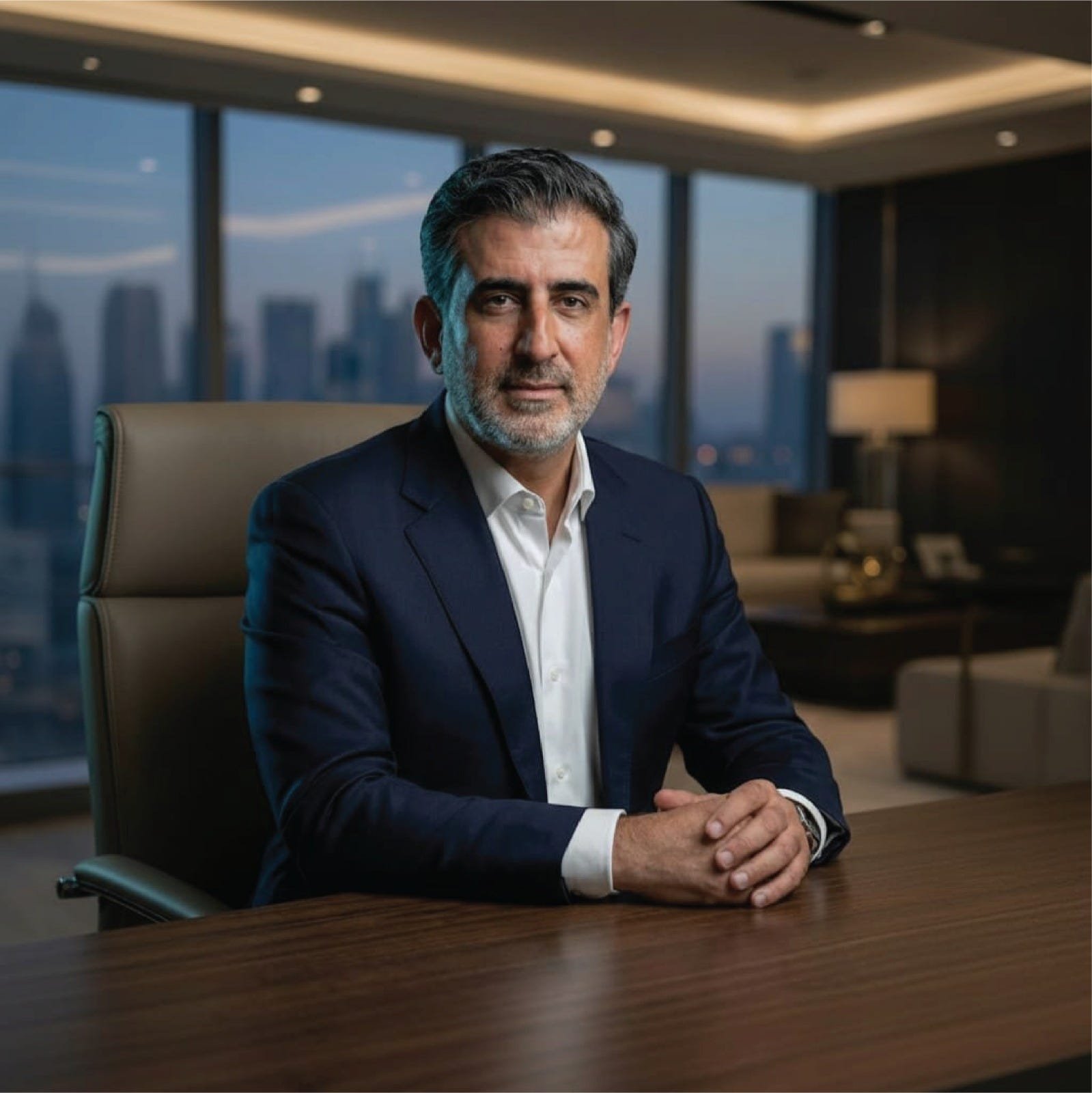
Investment visionary Samer Choucair affirmed that accelerating shifts in global climate and energy policies are opening unprecedented strategic investment opportunities for Saudi Arabia, noting the new approach the European Union is adopting in global climate negotiations for COP31 scheduled in Turkey during November represents a clear indicator of accelerating global demand for clean energy and low-carbon technologies, directly aligned with Vision 2030 targets.
He explained the EU’s internal document revealing a strategy described as “shorter, sharper, and more strategic” focusing on fewer targets with greater clarity in political and diplomatic messaging, and building international alliances early before the summit, reflects an important shift in global climate file management mechanisms.
He said: “European focus on clearer targets and early alliances strengthens demand for green hydrogen and clean energy, positioning Saudi Arabia ideally to benefit from its enormous solar and wind energy potential while leveraging existing infrastructure.”
Saudi Arabia Possessing Unique Competitive Advantages in the Global Energy Transition
Investment strategist Choucair noted geopolitical transformations in energy markets during recent years pushed many countries to reassess their energy security and environmental sustainability strategies, accelerating investment in renewable energy sources, low-carbon hydrogen, and modern emissions management technologies.
He affirmed Saudi Arabia succeeded during recent years in transforming global energy transition challenges into promising economic and investment opportunities through Vision 2030, with the Saudi Green Initiative representing one of the most important strategic pillars in this transformation.
He said: “The Public Investment Fund plays an icebreaker role in paving the way for the private sector through strategic investments in energy transition projects, making Saudi Arabia an attractive destination for global investors seeking sustainable long-term returns aligned with Vision 2030.”
NEOM Green Hydrogen Project as a Global Energy Transition Model
Investment innovator Choucair noted the green hydrogen project in NEOM represents one of the world’s most prominent energy transition models, constituting a strategic step toward cementing the Kingdom’s position as one of the world’s largest green hydrogen producers and exporters during the coming years.
He identified promising future investment opportunities extending beyond renewable energy and green hydrogen to encompass green data centers, AI technologies linked to energy management, smart grid solutions, energy storage technologies, green financing, electric vehicle supply chains, and critical minerals required for global industrial transformation.
He said: “Saudi Arabia can play a pivotal role in global carbon markets, particularly given long energy sector expertise and the capacity to integrate modern technologies with existing projects.”
He stressed the importance of investing in carbon capture and storage technologies as one of the primary axes in global energy’s future, King Salman International Airport as One of the World’s Largest Aviation Infrastructure Projects
Investment innovator Choucair said: “In the context of regional and global competition, excellence in passenger experience led by qualified Saudi cadres becomes a genuine competitive advantage. Strategic investments in this field will achieve above-average returns in aviation, hospitality, and logistics sectors.”
He noted King Salman International Airport represents one of the world’s largest aviation infrastructure projects, contributing to strengthening Riyadh’s position as a global air transport, business, and tourism hub.
He explained the new airport alongside continued expansion in regional and international airports will create an integrated economic ecosystem encompassing logistics services, hospitality, smart technologies, and specialized aviation services.
He said: “With Riyadh Air’s expansion and King Salman International Airport, the Kingdom will witness growing demand for professional training companies, specialized aviation educational technologies, and maintenance and repair services. These sub-sectors represent attractive investment opportunities for both local and international investors.”
He noted the Kingdom’s success in building nationally qualified cadres meeting global standards will open future doors for exporting Saudi expertise and competencies to regional and global markets, strengthening the sector’s economic investment value.
Samer Choucair concluded by saying: “Vision 2030 is not merely a plan, but an investment roadmap. Companies investing today in developing national cadres and aviation-supporting infrastructure will be in a leadership position when passenger numbers reach 330 million. Smart localization reduces operational risks and strengthens sustainability.” He affirmed coming years will witness growing investment opportunities across all aviation, tourism, and logistics-linked sectors, with investors recognizing early the importance of human competency investment being the greatest beneficiaries of the economic transformation led by Vision 2030.
noting growing international investor interest in sustainable assets and green funds strengthens foreign capital flow opportunities to the Kingdom during coming years.
Samer Choucair concluded by saying: “The Saudi economy proved exceptional resilience, and the shift toward the knowledge economy and clean energy opens new strategic investment horizons in AI, data centers, and green technologies, strengthening the Kingdom’s position as a regional and global investment hub.” He added the opportunity is now greater than ever for strategic investors to participate in economic transformation and clean energy projects in the Kingdom, affirming investment in these sectors is no longer merely an investment option, but represents a strategic necessity in a world moving at accelerating pace toward carbon neutrality and sustainable economy.