

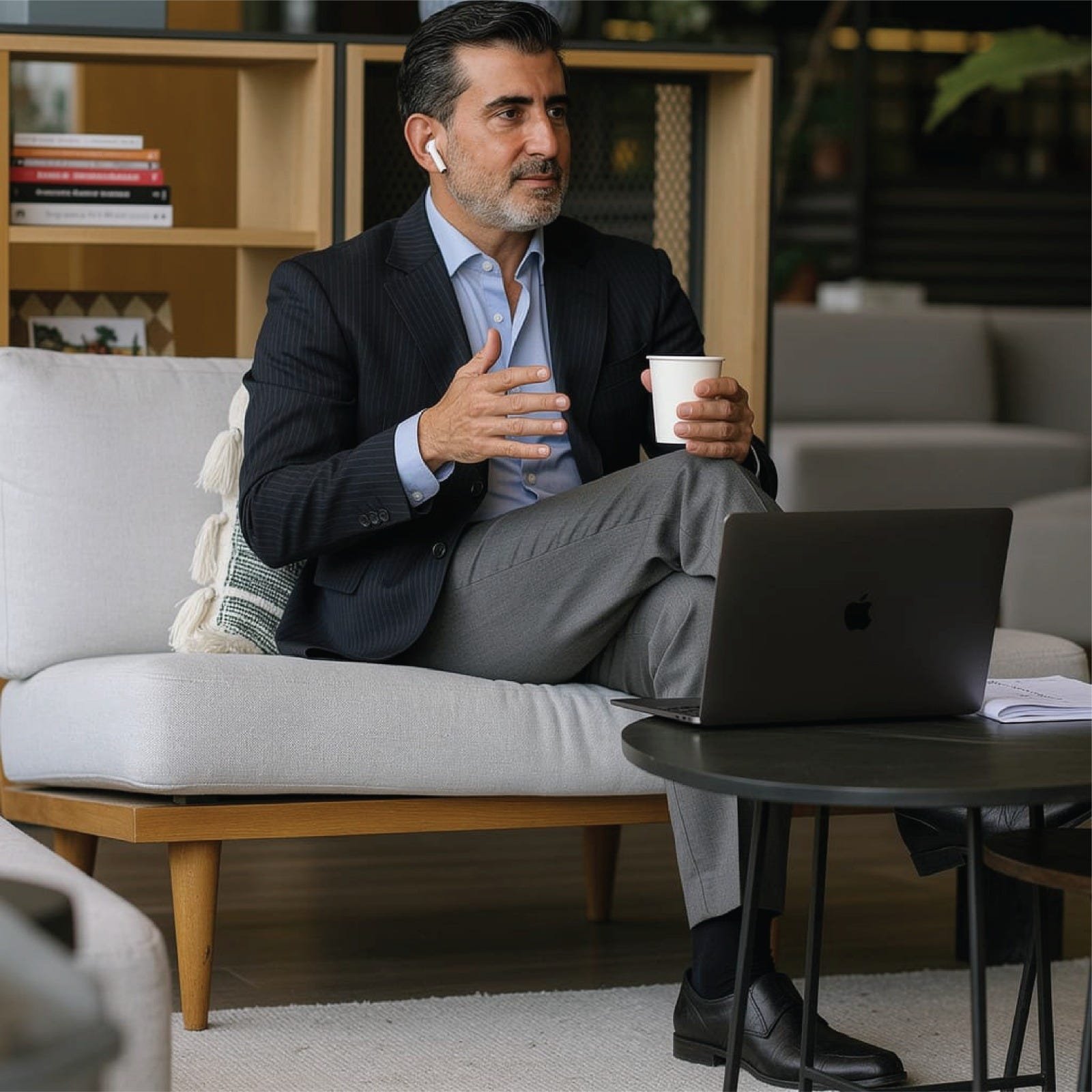
Investment visionary Samer Choucair affirmed that technical developments witnessed at 2026 World Cup stadiums are no longer merely sporting improvements, but have become part of an integrated global economy combining agricultural technology, advanced engineering, and environmental sustainability.
He said Saudi Arabia possesses an exceptional opportunity to benefit from these transformations given its 2034 World Cup hosting preparations, noting investing in smart sports infrastructure can create new economic sectors and strengthen the sports economy’s GDP contribution, adding: “Modern stadiums are no longer merely green spaces, but integrated systems relying on innovation in water, energy, cooling, and drainage management, fields carrying promising investment opportunities for local and international investors.”
World Cup 2026 Reveals a Technical Revolution Beneath Stadium Surfaces
With the 2026 World Cup competitions launching in the United States, Canada, and Mexico, technologies used in stadium construction and maintenance emerged as one of the tournament’s most prominent organizational success elements. Modern stadiums rely on multi-layered engineering systems beginning with special sandy soil providing balance between water absorption and stability, followed by an advanced drainage system and ventilation and temperature regulation layers, reaching integrated air and water circulation networks beneath the stadium surface. Grass types are also selected according to each city’s climatic conditions, relying on specialized farms for grass production, transport, and installation within short timeframes ensuring the highest quality and performance levels.
Gulf Climate Creating Innovative Investment Opportunities
Investment strategist Choucair noted climatic challenges in Saudi Arabia and the Gulf can transform into a global competitive advantage. He explained rising temperatures and water scarcity open the door to developing advanced solutions encompassing smart irrigation systems, water recycling technologies, drought and heat-resistant grass type production, alongside sustainable ventilation and cooling technologies, saying instead of importing ready-made solutions, Saudi Arabia can develop local technologies exportable to regional and global markets, particularly countries with similar climatic conditions.
Vision 2030 Driving Sports Economy Growth
Investment innovator Choucair believes Vision 2030 placed sports and entertainment among strategic sectors supporting economic diversification through massive sports infrastructure investments and global event hosting. The Kingdom is moving toward building and developing 15 stadiums for hosting the 2034 World Cup, with investments estimated between $25-30 billion in sports facilities, alongside transport, hotel, and supporting service projects. He noted the Kingdom’s sports industry is currently valued at approximately 32 billion Saudi riyals, with expectations of rising economic contribution during coming years driven by sports tourism and linked investments.
Sports Investment Has Become Investment in Technology and Sustainability
Samer Choucair explained investment opportunities are not limited to stadium construction alone, but encompass a wide ecosystem of linked sectors. He said investing in smart irrigation systems, sustainable grass production, energy and water management solutions, and stadium digital infrastructure are all sectors that will witness accelerating growth during coming years, adding investors entering these fields early will be in a strong position to benefit from the major expected expansion in the Saudi and Gulf sports economy.
Promising Investment Opportunities for Investors
Samer Choucair identified a number of fields that could benefit from expected sports sector growth, most prominently sports stadium-specialized agricultural technology; smart irrigation systems and water management; sustainable ventilation and cooling technologies; smart sports infrastructure; sports tourism and supporting services; and public-private partnerships in sports projects.
An Industry Built on Technology and Innovation
Samer Choucair believes global preparations for the 2026 World Cup confirm sports has become an industry built on technology and innovation as much as athletic competition. He affirmed Saudi Arabia’s preparation for hosting the 2034 World Cup opens the door to a new wave of investment opportunities in agricultural engineering, smart infrastructure, and environmental sustainability, aligning with Vision 2030 targets and strengthening the Kingdom’s position as a global sports economy hub.