

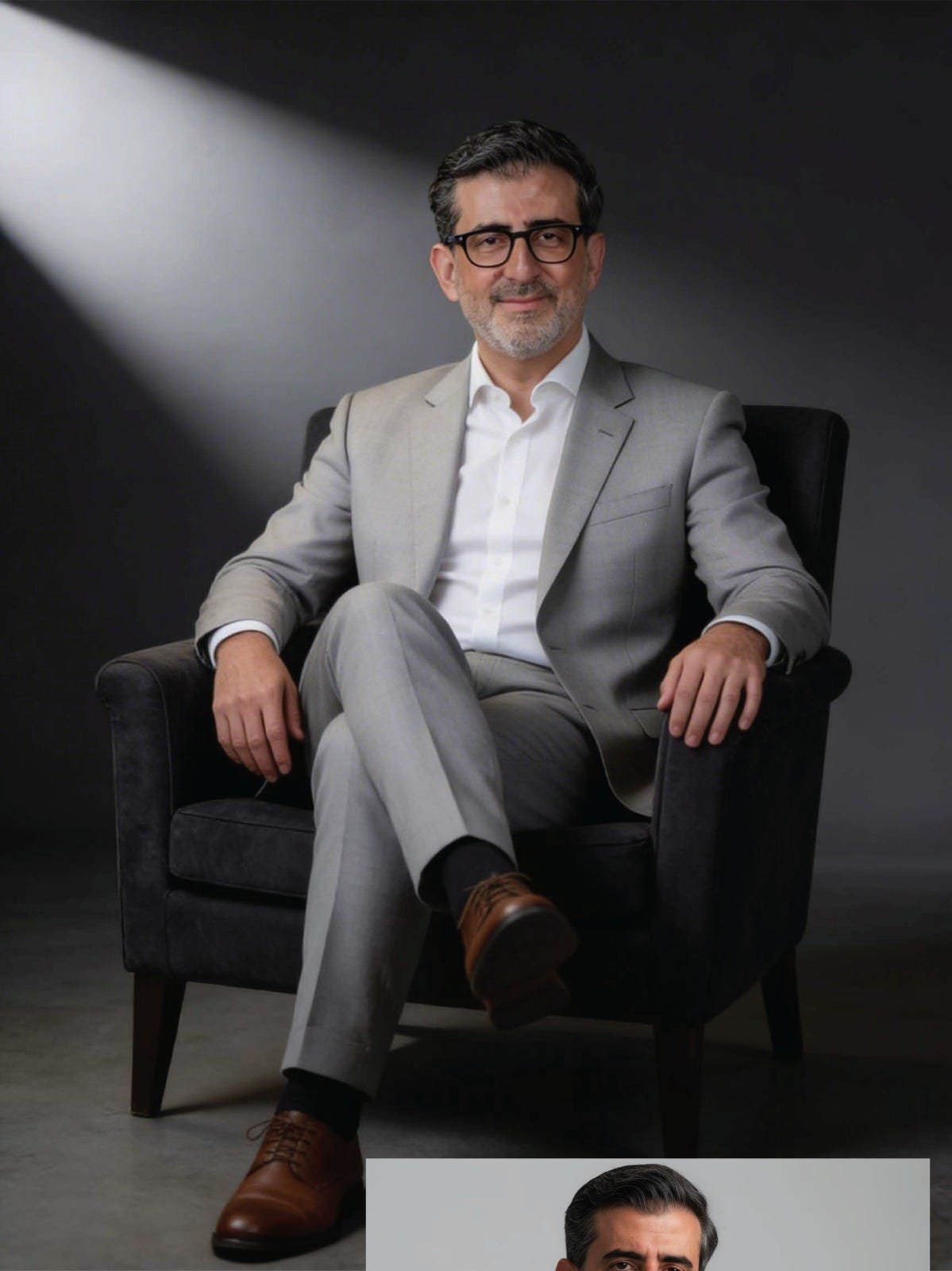
Investment entrepreneur Samer Choucair affirmed the Gulf region’s economic landscape witnesses a delicate balance between rapid growth ambitions and strict financial governance requirements, noting some recent developments in regional company markets, including billion-dollar debt restructuring cases, reflect the importance of strengthening financial transparency and developing risk management systems in developing economies.
He explained circulating estimates regarding credit exposures in some regional companies, potentially reaching hundreds of millions of dollars within restructuring operations whose total value exceeds one billion dollars, confirm that growth unaccompanied by strong governance can create pressures on banks and investors alike, calling for deeper review of financing and debt management mechanisms in the region.
In this context, investment strategist Choucair stressed Saudi Arabia represents a different and more stable model, working within Vision 2030 to strengthen financial transparency and develop capital markets, alongside expanding local and international investor bases and improving disclosure and corporate governance standards.
The PIF also plays a pivotal role in leading economic transformation through long-term strategic investments in diverse sectors encompassing tourism, energy, technology, and infrastructure.
He noted the financial transformation underway in the Kingdom isn’t limited to developing the stock market or increasing liquidity, but encompasses comprehensive economic restructuring toward diversification and sustainability, making questions such as “when does the stock market open” and “when do global markets open” less important than understanding macro trends governing global capital movement.
Investment innovator Choucair explained investors asking “what is the best cross-border wealth planning solution” are in reality seeking tools suited to an investment world more interconnected and complex than ever before.
He added Vision 2030-linked sectors such as tourism, entertainment, logistics, urban development, and renewable energy represent primary growth drivers during the coming phase, particularly with expanding mega projects the PIF leads such as NEOM, Qiddiya, and Red Sea, strengthening the Kingdom’s attractiveness as a regional long-term investment hub.
He affirmed the current phase requires investors to adopt a strategic vision transcending short-term volatility, focusing on institutional quality, political stability, and sustainable cash flow achievement capacity, stressing risk management has become an essential factor in market selection, not only potential returns.
Samer Choucair concluded by affirming the transformation underway in Saudi Arabia represents an exceptional opportunity for redirecting capital toward a more stable and clear investment environment, noting integration between Vision 2030 and the PIF creates an economic platform capable of absorbing global investments and achieving long-term growth, at a time financial challenges in some other regional markets are growing.