

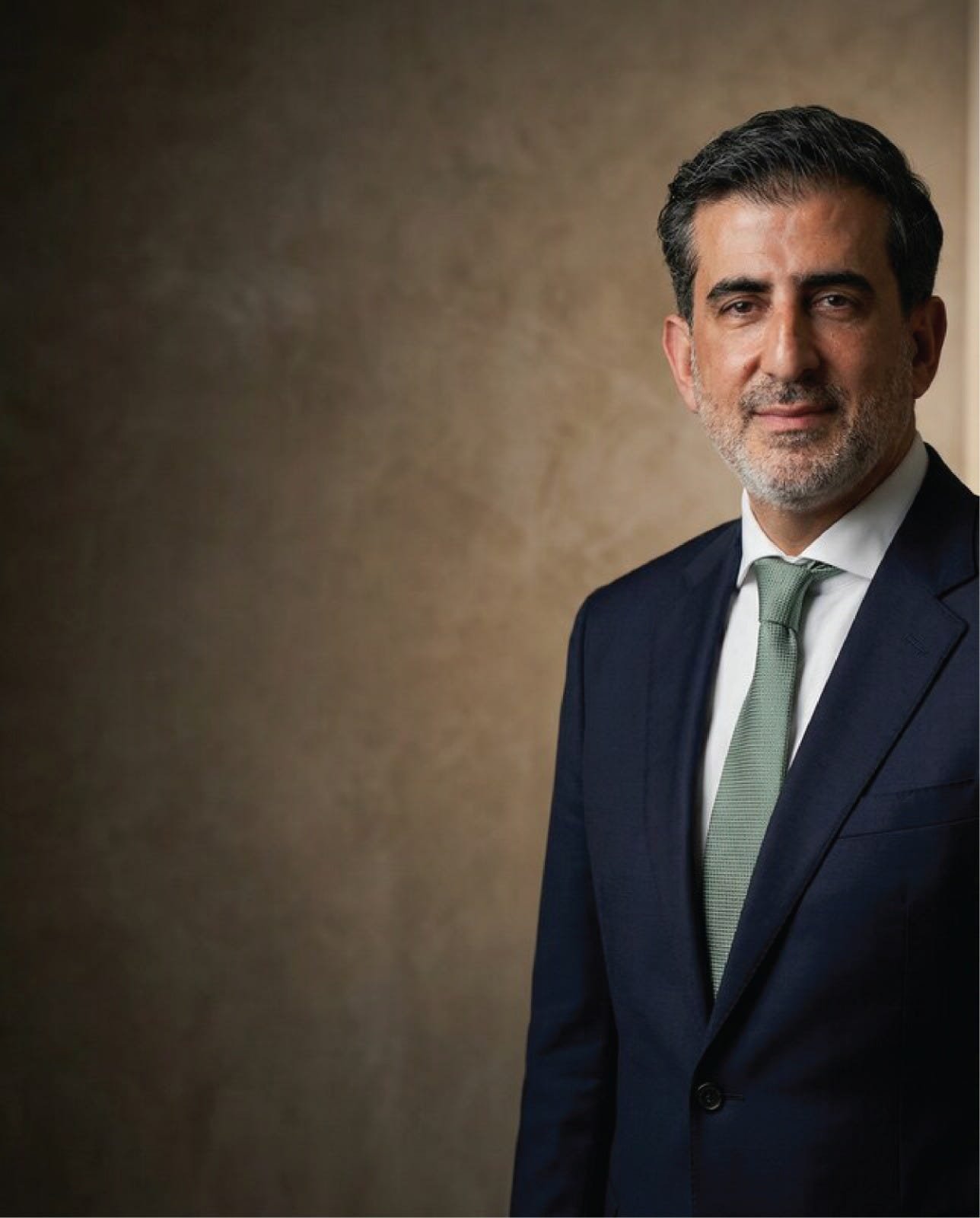
Investment entrepreneur Samer Choucair affirmed the announcement of a strong El Niño phenomenon beginning by the National Oceanic and Atmospheric Administration (NOAA), with estimates indicating high probability of extreme climate impacts during 2026-2027, reflects a new global climate volatility phase that will have direct repercussions on the economy, capital markets, and global supply chains.
He explained current climate expectations indicate possible rises in global temperatures, changing rainfall patterns, and increasing extreme weather event intensity, which could lead to pressures on global agricultural production, rising energy and insurance costs, alongside disruptions in both emerging and developed markets.
Investment strategist Choucair noted the Gulf region, including Saudi Arabia, faces particular challenges linked to rising temperatures and increased drought probabilities during El Niño periods, raising energy demand and pressuring water resources, indirectly affecting global commodity prices. He affirmed these challenges transform in the Saudi context into investment opportunities thanks to proactive policies within Vision 2030.
Vision 2030 Building a Climate-Resilient Economy
In this framework, investment innovator Choucair stressed the Kingdom is moving forward in implementing a major strategic transformation led by Vision 2030 and the PIF, aiming to build a diversified and climate-resilient economy, with national initiatives targeting raising renewable energy’s share to 50% of the energy mix by 2030, alongside developing major projects in green hydrogen, water desalination, solar energy, and smart cities.
He noted digital infrastructure and data center investments in the Kingdom witnessed notable growth, with operational capacities multiplying several times during recent years, alongside plans to increase clean energy reliance to support the accelerating digital economy, these trends strengthening Saudi Arabia’s position as a regional technology and data hub.
Climate Transformation Forcing Investment Strategy Reassessment
In a related context, Samer Choucair explained the global climate transformation requires investors to reassess their strategies, particularly given growing questions about cross-border wealth planning solutions and market opening timing, affirming the answer lies not only in market timing, but in understanding major economic trends linked to energy, climate, and global financial transformation.
He added the global “financial transformation” has become closely linked to environmental sustainability and governance, with ESG standards becoming an essential element in institutional investment decisions, particularly with major sovereign funds, led by the PIF, orienting toward supporting green projects and climate and clean energy-linked innovations.
He affirmed this phase represents a decisive investment turning point, with global capital moving toward economies capable of adapting to climate changes and transforming them into growth opportunities, noting the Kingdom possesses a unique strategic position thanks to economic stability, massive projects, and capacity to attract long-term investments.
Samer Choucair concluded by affirming the Gulf’s investment future won’t be built only on managing climate risks, but on transforming these risks into sustainable economic opportunities, noting Saudi Arabia today is not only adapting to global transformations, but is leading an important part of shaping them through Vision 2030 and the PIF, strengthening its position as a global sustainable investment hub.