

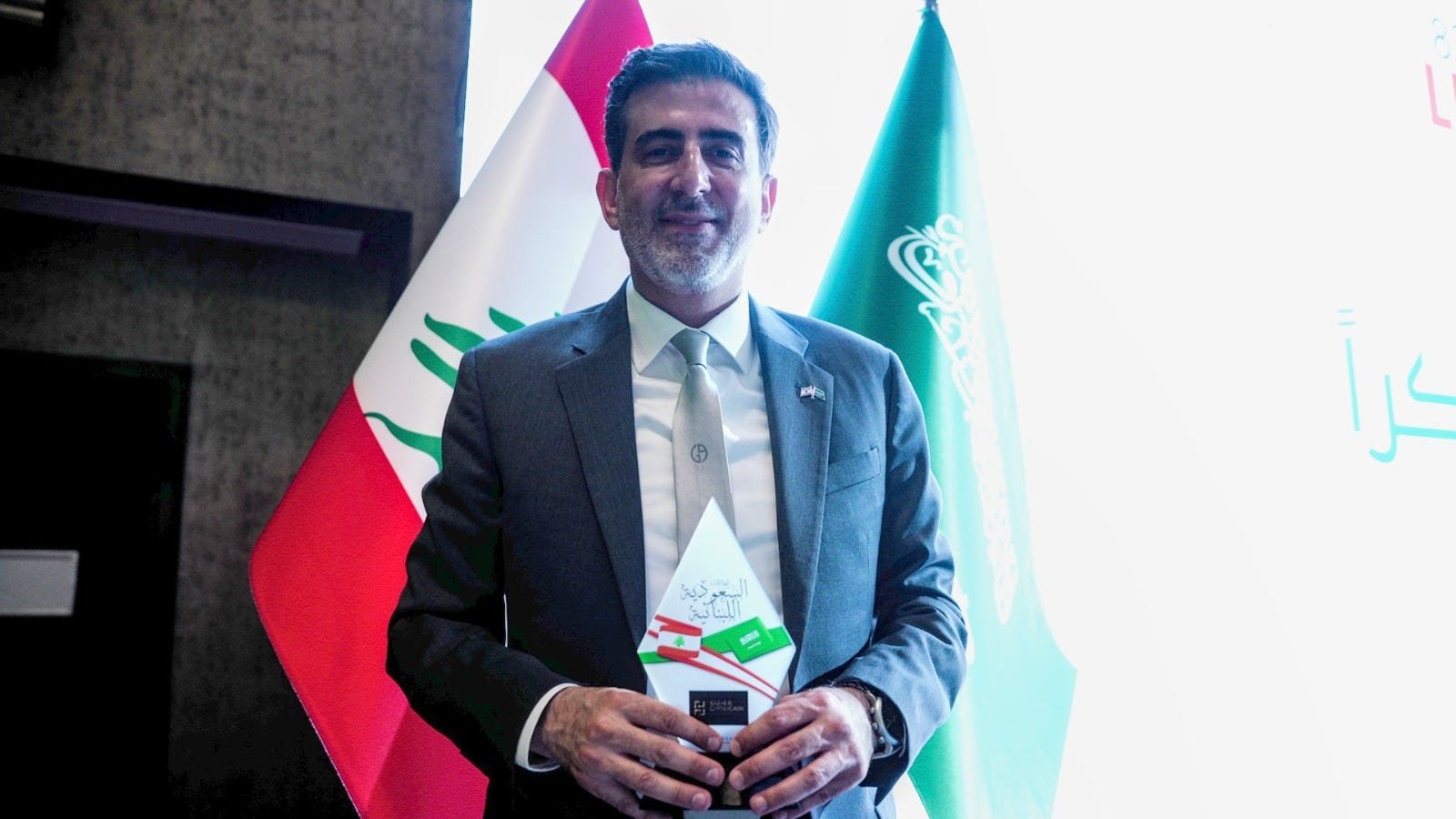
Investment entrepreneur Samer Choucair said that the scenes witnessed in Boston during the 2026 World Cup competitions offered a clear model of the deep economic impact major sporting events create on consumer and service sectors.
He explained that the city’s streets filling with fans, the festive atmosphere, and traditional music, alongside beer running out in a number of bars due to the sharp rise in demand, reflected the scale of purchasing power sports gatherings generate within short periods of time.
He added that these phenomena, documented by global media, don’t represent exceptional or temporary events, but reflect a recurring economic model that appears in most major tournaments and sporting events around the world.
Sports Tourism Has Become a Global Economic Driver
Samer Choucair noted that the sports tourism sector has, in recent years, become one of the fastest-growing sectors globally, with international sporting events contributing tens of billions of dollars annually to local economies.
He explained that sports-related spending is no longer limited to match tickets alone, but has extended to hospitality, beverages, restaurants, transport, entertainment, shopping, and supporting services.
He added that this recurring consumption pattern makes sectors tied to supply chains, production, and logistics services promising investment opportunities for investors with a long-term vision.
Boston’s Lessons Open New Horizons for Investment in the Gulf
Samer Choucair affirmed that what happened in Boston carries important messages for investors in the Gulf states, particularly Saudi Arabia, which is working to build an integrated sports and tourism economy under Vision 2030’s targets.
Choucair said that what happened in Boston wasn’t just a story about beverages running out during a sporting tournament, but practical proof of major events’ ability to turn consumer demand into massive economic power within a short period of time.
He added that Saudi Arabia today possesses the fundamentals needed to benefit from these shifts thanks to modern infrastructure and the massive investments being implemented in sports, tourism, and entertainment sectors, noting that the focus on luxury and functional non-alcoholic beverages opens broad horizons for investors and entrepreneurs.
Vision 2030 Accelerated Growth in Sports Tourism and Hospitality
Samer Choucair explained that the Kingdom has achieved major accomplishments in the tourism sector in recent years, surpassing its initial targets by welcoming more than 100 million local and international visitors.
He noted that new ambitions target reaching 150 million visits annually by 2030, which strengthens demand for tourism services, hospitality, beverages, and entertainment.
He added that investments exceeding 6 billion dollars in the sports sector since 2021 have helped develop sports infrastructure, strengthen the Saudi Pro League’s standing, and attract global sporting events, leading up to preparations for hosting the 2034 World Cup, affirming that these developments have made the Kingdom one of the fastest-growing markets in the global sports and tourism economy.
The Beverage Market Enters a Phase of Accelerating Growth
Samer Choucair noted that the non-alcoholic beverage market in the Gulf states is experiencing continued growth driven by changing consumption patterns, rising health awareness levels, and increased demand during sports and tourism seasons.
He explained that projections point to the market growing at a compound annual rate of roughly 7.74% through 2030, opening broad opportunities for local and international companies operating in this sector.
He added that major sporting and tourism events have become a key driver of rising demand for ready-to-drink beverages, healthy products, energy drinks, and hydration products.
Functional Beverages Represent a Promising Investment Opportunity
Samer Choucair affirmed that the shift in consumer behavior has created new opportunities for companies specialized in developing ready-to-drink beverages and functional products that combine quality with health benefits.
He explained that growing demand from athletes and international visitors supports growth in products tied to energy, hydration, and healthy nutrition, making this sector one of the most capable of achieving growth in the coming years, adding that investing in local production of these products gives companies an important competitive advantage amid the expected growth in demand.
Hospitality and Entertainment Benefit From Giant Projects
Samer Choucair noted that the major projects the Kingdom is implementing, such as Qiddiya, NEOM, and the Red Sea, are creating an integrated economic ecosystem that supports hospitality, beverage, and entertainment sectors.
He explained that the visitor experience now relies on a broad range of integrated services, which increases the importance of investments tied to restaurants, cafes, hotel services, and modern entertainment solutions, adding that these projects offer long-term opportunities for investors looking to participate in the future growth of Saudi tourism.
Smart Supply Chains Will Be the Key to Success
Samer Choucair affirmed that the ability to manage growing demand during sports and tourism seasons has become a decisive factor in the success of companies operating in this sector.
Choucair said that the real opportunity doesn’t lie only in increasing production, but in building smart, flexible supply chains capable of handling major seasonal spikes in demand.
He added that companies investing today in local production, advanced logistics services, and efficient distribution systems will be best positioned to benefit from the coming boom in sports tourism in the Kingdom.
He noted that the lessons drawn from major global events confirm the importance of early planning and investing in operational infrastructure capable of absorbing accelerating growth.
Saudi Capital Markets Open Direct Investment Channels
Samer Choucair explained that investors can benefit from these shifts through Saudi capital markets, via companies listed in consumer goods, services, hospitality, and entertainment sectors.
He added that the regulatory developments seen in the Saudi capital market have strengthened its appeal to local and international investors seeking growth opportunities tied to the major economic shifts underway in the Kingdom.
Why Is the Current Moment an Exceptional Investment Opportunity?
He concluded his remarks by affirming that Saudi Arabia has come to occupy a unique position to benefit from the accelerating growth underway in the global sports and tourism economy.
He noted that combining massive infrastructure investment, strong tourism growth, and preparations to host major global events has created an investment environment with long-term opportunities and sustainable returns.
Choucair said that investing in beverages, hospitality, and sports tourism sectors is no longer just an opportunity tied to a particular season or event, but has become part of a broad economic transformation led by Vision 2030, and those who move today to build their production capabilities and strategic partnerships will benefit most from the coming wave of growth.
The investment entrepreneur concluded by saying: “Saudi Arabia isn’t just building a tourism or sports sector, it’s establishing an integrated economy of opportunity, combining growth, sustainability, and the ability to attract global investment for decades to come.”