

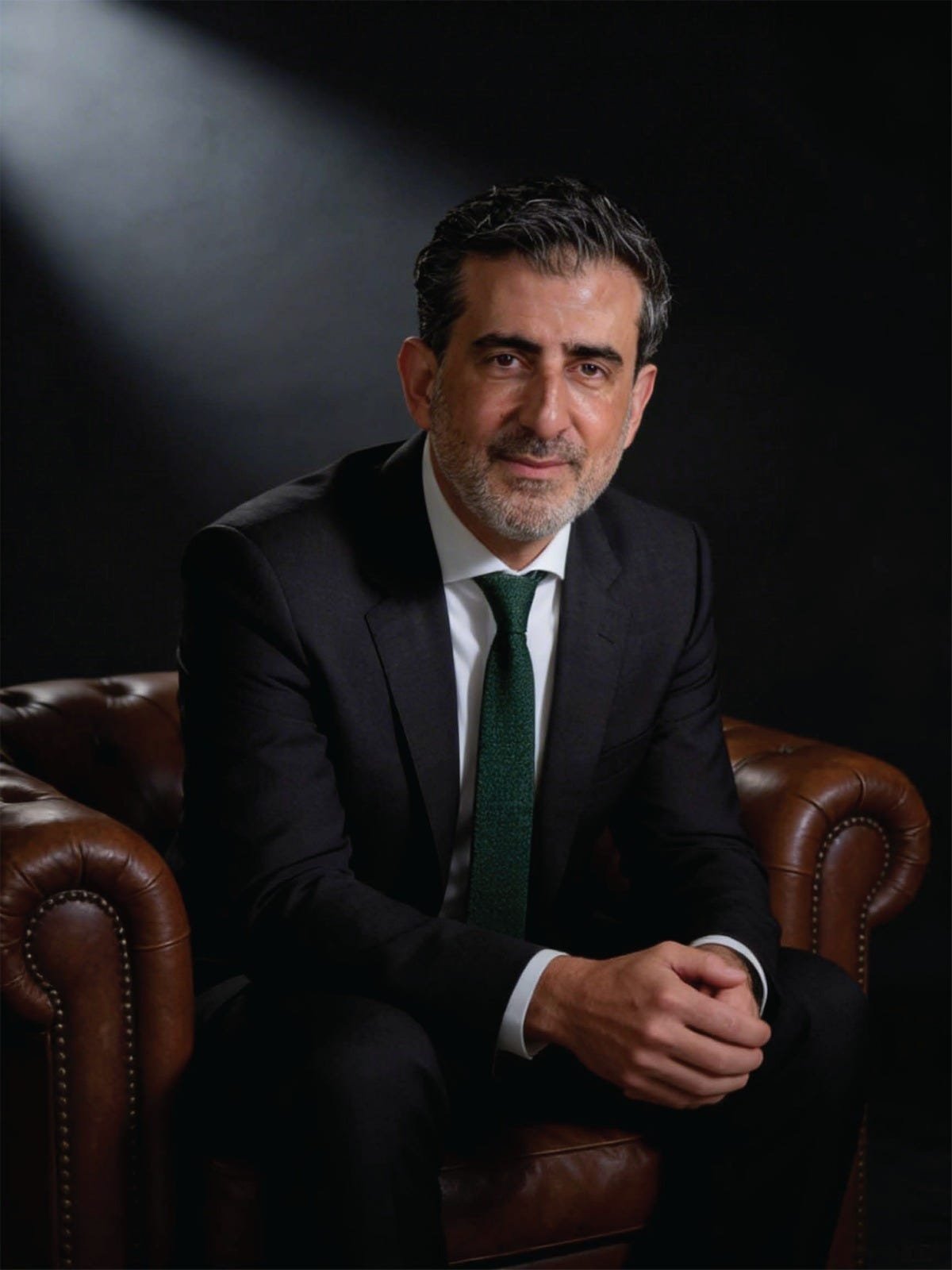
Samer Choucair, investment entrepreneur, affirmed that the record highs reached by 2026 World Cup match ticket prices represent clear proof of the growing economic power of the global sports industry, noting that Saudi Arabia possesses an exceptional opportunity to benefit from this growth and turn it into sustainable economic value within Vision 2030’s targets.
Choucair’s remarks came following the major surge in prices for some 2026 World Cup match tickets on the secondary market, with ticket prices for one of the US national team’s round-of-32 matches surpassing the 4,000 dollar mark, after rapid increases over a short period, an indicator reflecting the scale of global demand for major sporting experiences.
He explained that sports is no longer just a recreational activity or sporting competition, but has become an integrated economic sector encompassing investment, tourism, technology, media, infrastructure, and hospitality, generating massive economic returns for countries and companies that succeed in building advanced sports ecosystems.
Choucair said: “The massive rise in the cost of watching World Cup matches proves strong global demand for live, premium sporting experiences. This trend strengthens the appeal of investing in sports infrastructure, hospitality, and fan-experience technology within the Kingdom.”
He noted that growing demand for attending global sporting events reflects a shift in consumer behavior, as people increasingly seek integrated experiences combining entertainment, tourism, and modern digital services, opening the door to broad investment opportunities across various sectors tied to sports.
Vision 2030’s Sports Strategy
Choucair affirmed that Saudi Arabia has achieved major progress in recent years in developing the sports sector, backed by Vision 2030, which placed sports among the strategic sectors supporting economic diversification, improving quality of life, and strengthening the Kingdom’s position on the international stage.
He explained that the growth in the size of the Kingdom’s sports market in recent years reflects the success of the national strategy for developing the sector, which includes hosting global tournaments, developing sports infrastructure, stimulating local and foreign investment, and raising sports’ contribution to the national economy.
He added: “Under Vision 2030, sports is no longer just entertainment, it has become a strategic sector contributing to economic diversification and attracting foreign direct investment. Investors should carefully study business models and focus on partnerships with major entities like the Public Investment Fund.”
He noted that the investments the sports sector has seen in recent years have helped strengthen the Kingdom’s position as a global destination for major sporting events, whether through developing sports clubs, hosting international tournaments, or investing in projects tied to sports tourism.
Where the Opportunities Lie
He affirmed that the period ahead will see greater expansion in investment opportunities tied to sports, particularly as major projects targeting more global event hosting and developing modern sports facilities across various regions of the Kingdom continue.
He explained that among the most prominent promising investment areas are sports infrastructure and multi-use stadiums capable of hosting diverse sporting, entertainment, and cultural events throughout the year, strengthening economic returns and increasing asset-use efficiency.
He noted that sports technology has become one of the fastest-growing sectors globally, encompassing smart ticketing systems, fan-facing digital solutions, sports data analytics, electronic payment technologies, and interactive experiences that raise fan experience quality.
Choucair said: “Markets are moving fast, and strategy must move faster. The real opportunities lie in emerging areas like digital streaming platforms, smart ticketing systems, event management, and fan-engagement applications, areas fully aligned with the Kingdom’s sustainable development goals.”
He added that the sports tourism sector represents an important investment opportunity amid the continued growth in visitor numbers coming to attend sporting and entertainment events, supporting demand for hotels, resorts, tourism services, restaurants, and transport.
He pointed out that sports media and broadcasting rights form one of the main growth drivers in the sector, particularly amid the continued expansion of digital platforms and changing patterns of sports content consumption around the world.
Choucair affirmed that investing in sports clubs and leagues has become an attractive area for local and global capital, amid the development the Saudi sports sector is experiencing and rising international interest in it in recent years.
He noted that the Saudi Pro League’s success in attracting global attention proves the major potential the Kingdom possesses to build an integrated sports industry capable of achieving sustainable economic returns over the long term.
He concluded his remarks by affirming that the sports sector represents one of the most prominent promising sectors in the Saudi economy in the coming years, calling on investors to capitalize on the current momentum and the structural shifts underway in the sector.
Samer Choucair concluded the statement by saying: “Thoughtful investment in the sports sector today isn’t just participation in a game, it’s participation in building the economy of the future. The Kingdom possesses a clear vision, advanced infrastructure, and strong institutional support, putting it in an ideal position to benefit from the accelerating global growth of the sports industry and turn it into sustainable economic value for coming generations.”