

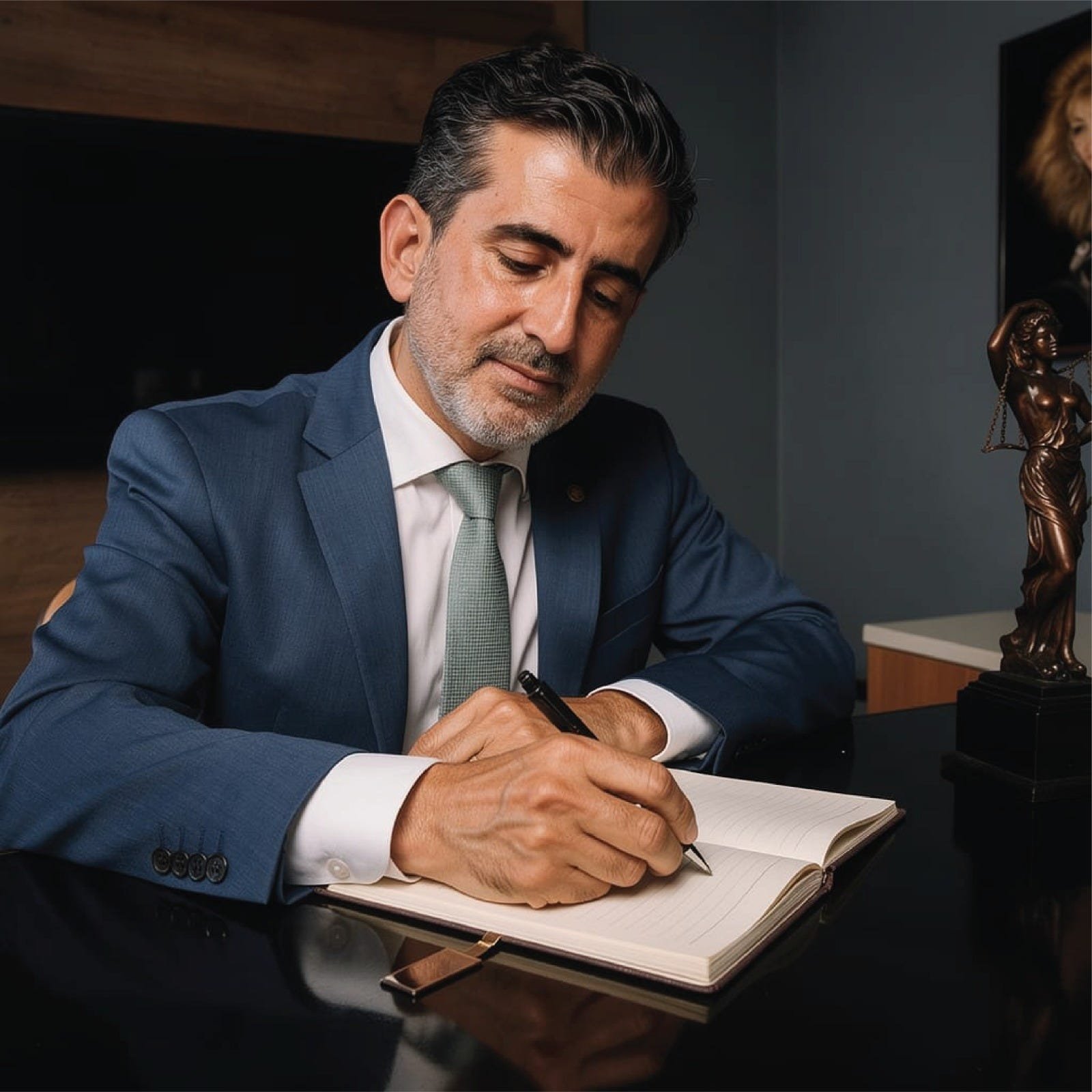
Investment entrepreneur Samer Choucair affirmed that recent statements by Hisham Talaat Moustafa, CEO and Managing Director of Talaat Moustafa Group Holding, reflect a strategic vision that goes beyond traditional operational thinking, noting that the group’s focus on developing integrated cities with a distinctive, non-traditional character, alongside continuous innovation in tourism and hospitality products through launching a new, more modern project every two to three years, represents a direction aligned with the structural shifts underway in the real estate and tourism sectors in both Egypt and Saudi Arabia.
Samer Choucair explained that this development model sits at the intersection of two major economic trends: the first being the continued growth in demand for high-quality, integrated residential and service communities in the Egyptian market, and the second being the major expansion underway in Saudi Arabia under Vision 2030’s goals of diversifying the economy and strengthening housing, tourism, and quality-of-life sectors.
Choucair added that this direction carries direct significance for institutional investors, since integrated city projects require long-term capital and strategic partnerships, while in return offering diversified revenue sources that reduce project sensitivity to traditional real estate cycles, making them more attractive to investment institutions seeking real assets that generate stable cash flows and long-term returns.
Samer Choucair noted that the current investment environment is seeing growing interest from sovereign wealth funds and institutional investors in reallocating capital toward assets that combine operational stability with the ability to achieve sustainable growth, giving integrated city projects in the Middle East and North Africa an advanced position within the map of future investment opportunities.
Choucair explained that Talaat Moustafa Group has extensive experience developing integrated urban communities within Egypt through major projects such as Madinaty and Al Rehab, which have succeeded in offering a model combining residential units with commercial, entertainment, and educational services within an integrated urban ecosystem.
Choucair added that the group’s expansion into Saudi Arabia through the Banan project in northeast Riyadh represents an extension of this successful model, as the project relies on developing an integrated urban community focused on smart design, open spaces, and sustainability, in partnership with the National Housing Company.
Samer Choucair affirmed that this expansion is not merely geographic spread, but reflects the export of a development model that has proven successful in the Egyptian market, aiming to create long-term economic value through diversifying uses and investing in shared infrastructure, in line with the needs of both the Egyptian and Saudi markets amid continued population growth and rising demand for organized housing and improved quality of life.
Choucair noted that the institutional partnerships the group has signed, chief among them the memorandum of understanding with Saudi Arabia’s Public Investment Fund, alongside cooperation with the National Housing Company, represent a key factor in strengthening the appeal of these projects to local and international investors.
He said that sovereign partnerships represent an effective mechanism for mitigating regulatory and execution risk, while also sending positive signals to sovereign investment funds and global institutional investors seeking investment opportunities aligned with national priorities and offering a high degree of stability.
Choucair added that such cooperation strengthens opportunities for financing from banks, sukuk markets, and real estate funds, particularly when paired with a strong execution track record and proven experience in developing similar projects.
Samer Choucair explained that the group’s strategy is not limited to the residential sector, but extends to developing the tourism and hospitality product concept through a commitment to periodically launching new and more advanced projects, keeping pace with global standards and continuous changes in hospitality sector requirements.
Choucair noted that this strategy targets luxury and upper-middle tourism segments, whether from international visitors or growing local and regional demand, particularly in Saudi Arabia, which is seeing major expansion in tourism under its economic diversification programs.
He said that the ability to continuously develop the tourism product according to the latest global standards gives the developer a genuine competitive advantage in a market where customer expectations change rapidly, adding that integrating hospitality elements within integrated cities creates recurring operational income sources that strengthen financial stability and attract capital seeking a mix of capital returns and sustainable cash flows.
Choucair added that institutional investors, including sovereign wealth funds, pension funds, real estate funds, and family offices, will focus in the coming period on three main elements when evaluating these projects: the strength of sovereign partnerships, the degree of project integration and its ability to diversify revenue, and its alignment with long-term structural trends such as urbanization, experiential tourism, and sustainability.
Samer Choucair affirmed that projects combining large scale, innovative design, and institutional support have greater opportunities to attract long-term capital, particularly amid global investors’ move to diversify their investments geographically and seek new markets beyond traditional investment centers.
Choucair added that the successful execution of the Banan project in Saudi Arabia will serve as a practical test of the ability of the integrated cities model the group developed in Egypt to succeed within Gulf markets, which could open the door to additional expansions for the group and strengthen the appeal of the regional real estate sector overall.
Samer Choucair concluded his remarks by affirming the importance of tracking a number of key indicators over the period spanning 12 to 36 months, chief among them the pace of execution and delivery of the Banan project’s phases, buyer and user responses, the announcement of new projects in Egypt or additional expansions in Saudi Arabia, alongside the performance of the hospitality portfolio in terms of occupancy rates and revenue per available room, as well as any developments in policies supporting foreign direct investment or public-private partnerships in both countries.
Choucair noted that the primary driver over the medium and long term will remain the continued structural demand for high-quality housing and distinctive tourism experiences within two economies undergoing accelerating demographic and economic transformation, affirming that developers able to offer an integrated model backed by strong institutional partnerships will be best positioned to benefit from the reallocation of institutional capital toward these investment opportunities.
Samer Choucair concluded by affirming that the significance of these developments is not tied to a single project or standalone executive statements, but reflects a broader trend of private capital engaging with national priorities in the two largest Arab economies, which will be one of the most important factors shaping the trajectory of institutional investment flows into the region in the coming years.