

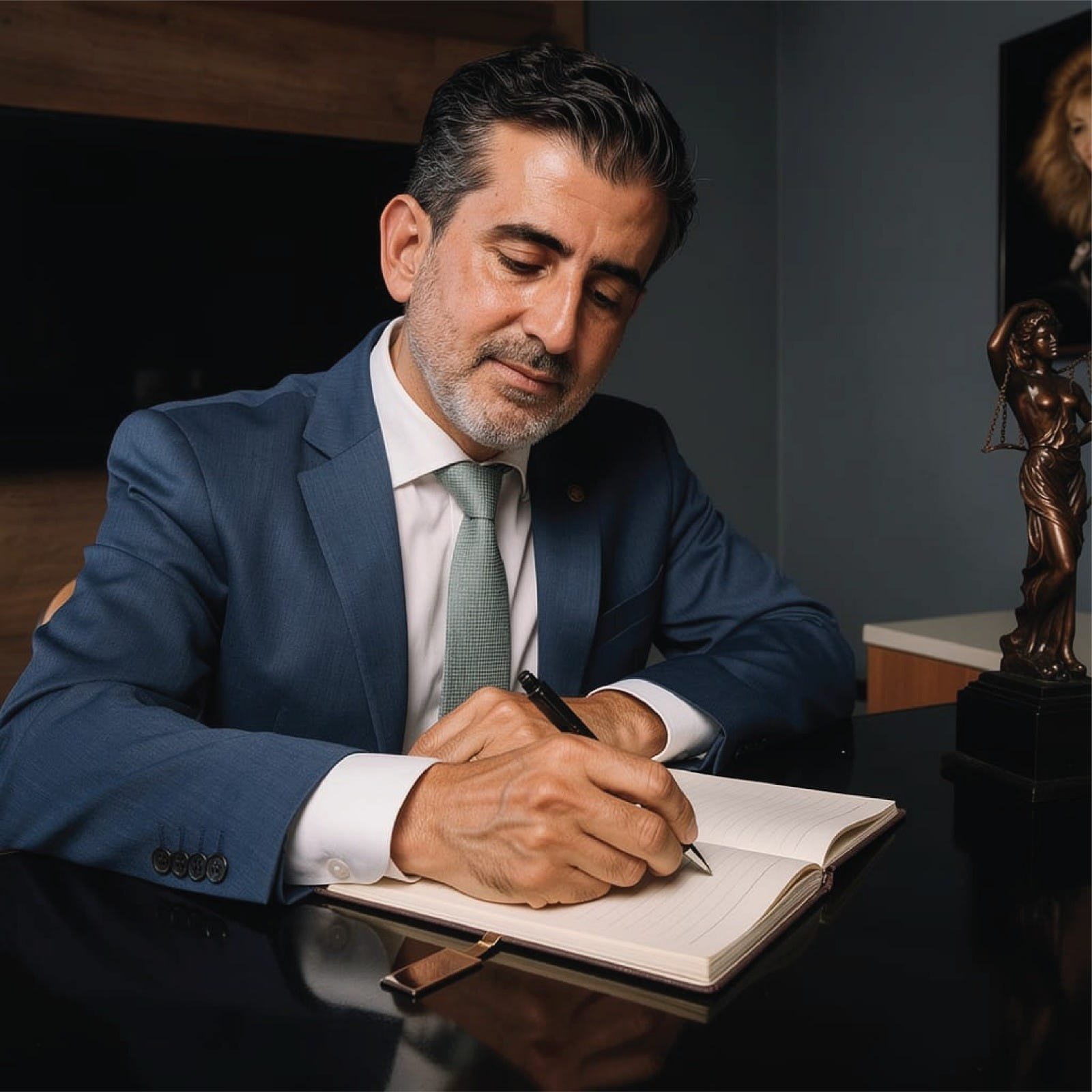
Investment entrepreneur Samer Choucair said that commercial vessels continuing to transit the Strait of Hormuz with their Automatic Identification Systems (AIS) switched off has helped preserve part of global oil flows despite escalating regional tensions, explaining that this reality has prevented a full market shock, but has, in turn, reinforced the need for a continued American military presence to coordinate and secure maritime corridors.
Choucair added that this development has directly affected risk premiums in energy and shipping markets, pushing up insurance and commodity costs, affirming that institutional investors now need to reassess their portfolios’ exposure to assets linked to sensitive shipping corridors, focusing on building structural resilience through diversifying supply sources and accelerating investment in advanced logistics technology and the non-oil economy.
“Dark Ships” Are Changing the Energy Market Equation
Samer Choucair explained that the spread of what are known as “dark ships” in the Strait of Hormuz represents a structural shift in the relationship between geopolitical conflict and global commodity markets, noting that the strait still carries around 20 million barrels per day of crude oil, in addition to a significant share of global liquefied natural gas trade.
Choucair added that these tactics have allowed partial continuation of oil trade movement, enough to avoid market panic, but have simultaneously kept heavy reliance on American coordination and protection, which has raised the risk premium embedded in energy prices and made assuming a quick return to traditional supply chain stability more difficult.
Choucair affirmed that this reality has required sovereign wealth funds and asset managers to review their assumptions about the stability of energy flows and their effects on global inflation and economic growth in the coming years.
Maritime Tensions Are Raising the Cost of Global Trade
Samer Choucair noted that the escalation of incidents targeting commercial vessels in the region has pushed many ships to stop broadcasting their automatic identification signals, a strategy aimed at reducing the likelihood of being targeted, with the number of “dark” transits at times exceeding the number of traditional voyages.
Choucair added that these operations required additional operational effort from maritime crews and relied on continuous coordination with international maritime authorities, but kept part of oil trade flowing despite sanctions and regional pressure, explaining that this balance between continued trade and rising risk has created a more complex investment environment, raising the geopolitical risk premium in energy markets and making it harder for investors to price scenarios of full stability.
Rising Oil and Insurance Costs Are Adding to Market Pressure
Samer Choucair said that the immediate repercussions of these developments appeared in war-risk insurance premiums rising to levels ranging between 2% and 6% of a vessel’s value, imposing significant additional costs on every sea voyage and pressuring the margins of shipping companies and importers.
Choucair added that Brent crude prices recorded a rise exceeding 4% in recent sessions, surpassing $79 per barrel, driven by concerns over supply disruption despite the absence of a full closure of the strait.
Choucair noted that the continuation of these conditions could increase volatility in oil derivatives markets and affect corporate decisions on capital spending for long-term energy projects, particularly those linked to expanding production capacity in high-risk regions.
Implications for Inflation and Monetary Policy
Samer Choucair explained that rising energy costs resulting from these risks have contributed to increased inflationary pressure globally, particularly in oil-importing Asian and European economies.
Choucair added that this reality could push central banks to maintain tighter monetary policy for longer, raising borrowing costs and affecting equity and bond valuations.
Choucair noted that global supply chains have already begun seeking alternatives, by diversifying supply sources and relying more heavily on liquefied natural gas coming from the United States or on domestic production, which could accelerate a structural shift in global energy trade away from excessive reliance on Middle Eastern corridors.
Vision 2030 Is Turning Challenges Into Investment Opportunities
Samer Choucair affirmed that Saudi Arabia and Gulf states, through which most oil exports pass via the Strait of Hormuz, face a dual challenge: maintaining stable oil revenue in the short term, while accelerating economic diversification programs over the long term.
Choucair added that Saudi Vision 2030 has provided a strategic framework for converting these challenges into opportunities, by attracting foreign direct investment into tourism, entertainment, technology, advanced manufacturing, and the digital economy, reducing the economy’s sensitivity to geopolitical shocks linked to the energy sector, noting that Gulf financial markets could also benefit from growing interest in companies working in digital infrastructure, renewable energy, and resilient logistics services.
Redistributing Capital and Managing Risk
Samer Choucair explained that sovereign wealth funds, pension funds, hedge funds, and private equity firms are facing growing pressure to restructure their capital allocation strategies.
Choucair added that this could include reducing exposure to shipping and energy companies directly linked to the Strait of Hormuz, in favor of increasing investment in energy projects located in more stable regions, or in artificial intelligence and satellite technologies used for monitoring and securing maritime trade routes.
Choucair affirmed that success in this environment depends on investors’ ability to distinguish between short-term, hedgeable risks and long-term structural shifts requiring the rebuilding of investment portfolios, with a focus on developing more resilient and diversified digital supply chains.
A Strategic Outlook for Investors
Samer Choucair concluded his remarks by affirming that over the next twelve months, continued volatility in oil prices and marine insurance premiums is expected as the security situation evolves, requiring the maintenance of high liquidity levels and flexibility in asset allocation.
Choucair added that over the medium term, spanning three to five years, this reality is likely to accelerate investment in alternative energy sources, diversified logistics infrastructure, and greater use of artificial intelligence in managing supply chains and monitoring shipping activity.
Choucair noted that over the long term, spanning five to ten years, this shift could help redraw the map of global energy trade, with a greater move toward national and regional self-sufficiency in securing supplies.
Choucair concluded by saying that investors should watch indicators such as the volume of dark transits, the evolution of marine insurance premiums, and American and regional policies, as early signals that help adjust investment strategies according to multiple scenarios, with a focus on opportunities that strengthen structural resilience away from traditional chokepoints