

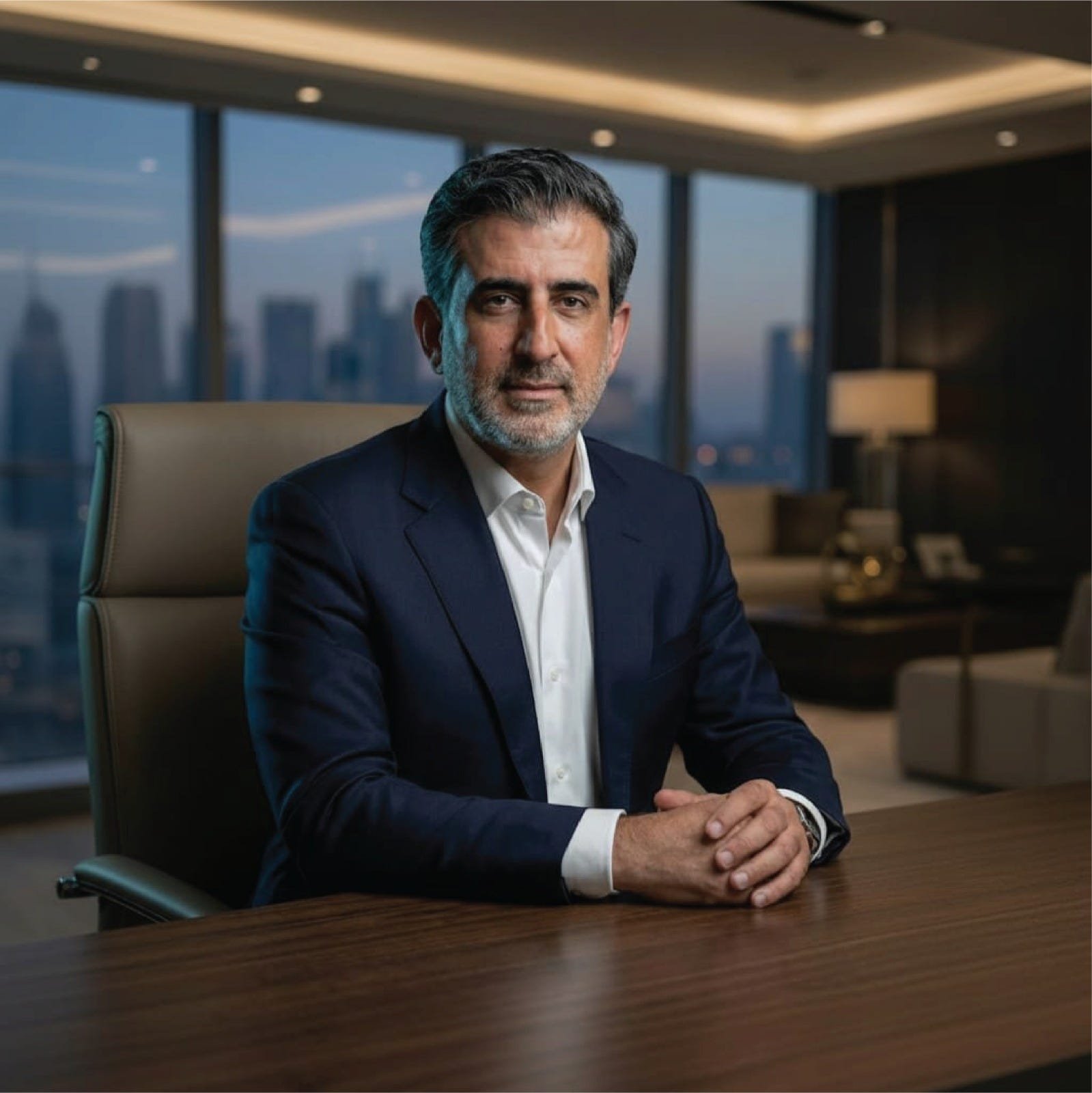
Investment entrepreneur Samer Choucair said that the notable rise in demand for private jets during the 2026 World Cup, driven by wealthy travelers moving between the United States and Mexico, was not merely a seasonal activity tied to the tournament, but reflected a broader shift in the capital allocation patterns of high-net-worth individuals, who are now directing a growing share of their spending toward luxury experiences and exclusive services.
Choucair added that this activity reflects wealth concentration among a limited segment of investors, while also highlighting growing investment opportunities in private aviation companies, luxury hospitality services, and tourism infrastructure, alongside its ties to economic diversification strategies in the Gulf region.
Sporting Events Have Become a Driver of Capital Flows
Samer Choucair explained that wealthy individuals and major investors have turned global sporting events into direct platforms for stimulating capital flows toward luxury operations and services sectors, noting that the air traffic congestion seen in areas such as the Hamptons during the tournament reflects sustained growth in demand for private aviation services.
Choucair added that this trend helps boost revenue for companies operating in the sector, while also directly influencing capital allocation decisions among sovereign funds and asset managers who monitor sectors linked to the entertainment economy.
The Experience Economy Is Driving a New Wave of Spending
Samer Choucair noted that this activity comes amid the continued expansion of what is known as the “experience economy,” as high-net-worth individuals prefer allocating a larger share of their portfolios to exclusive experiences rather than focusing on purchasing traditional physical goods.
Choucair added that this shift has, in recent years, been reflected in the performance of private aviation, yacht, and luxury hospitality companies, which have benefited from the recovery in travel activity following the Covid-19 pandemic, alongside the continued rise in asset prices.
Private Aviation Companies Are Benefiting From Rising Demand
Samer Choucair affirmed that the private aviation sector has become one of the biggest beneficiaries of this dynamic, given the flexibility and privacy it offers, meeting the needs of investors and business leaders during major global events.
Choucair noted that companies such as NetJets, VistaJet, and Gulfstream recorded strong demand for private flights during the World Cup, helping raise fleet utilization rates and improve profit margins.
Choucair added that demand for private aviation during the tournament revealed how global sporting events have become a key catalyst for capital flows toward operational assets in the luxury sector, away from the traditional volatility seen in financial markets.
Saudi Arabia and the Gulf Face New Investment Opportunities
Samer Choucair explained that these trends align directly with Saudi Vision 2030’s goals, which place tourism and entertainment among the most important pillars of economic diversification.
Choucair added that investment funds, chief among them Saudi Arabia’s Public Investment Fund (PIF), can benefit from growing demand for luxury experiences by investing in major tourism and entertainment projects, alongside developing aviation and hospitality infrastructure.
Choucair affirmed that global sporting events offer Gulf investors a practical opportunity to assess scalable business models in the luxury tourism sector, particularly amid continued investment in the digital and entertainment economy.
Spending Resilience Is Supporting Institutional Investment
Samer Choucair noted that managers of major investment funds are closely watching these indicators, as they reflect continued spending resilience among wealthy individuals even amid a relatively high interest rate environment.
Choucair added that this resilience supports luxury consumer sectors and tourism real estate, and its positive effects could extend to equity markets linked to aviation and hospitality companies globally.
Conversely, Choucair stressed the importance of managing risks associated with the sector, explaining that geopolitical volatility and environmental regulations could affect private aviation activity, requiring balanced investment strategies that combine achieving growth with maintaining sustainability.
A Strategic Outlook for Investors
Samer Choucair concluded his remarks by affirming that demand for luxury services linked to major sporting events is positioned to continue over the next twelve months, supporting the performance of private aviation companies and luxury hotels.
Choucair added that over the next three to five years, the integration of AI technologies is expected to help raise the efficiency of private aviation operations and further personalize services, opening new investment opportunities for innovation within the sector.
The investment entrepreneur concluded by affirming that the experience economy represents a structural shift in capital allocation philosophy, as institutional investors favor assets combining stable operational cash flows with long-term growth prospects, particularly in emerging markets such as Gulf states, noting that tracking private jet utilization rates and hospitality revenue during major events will remain among the most important indicators investors rely on to assess market trends during 2026 and beyond.