

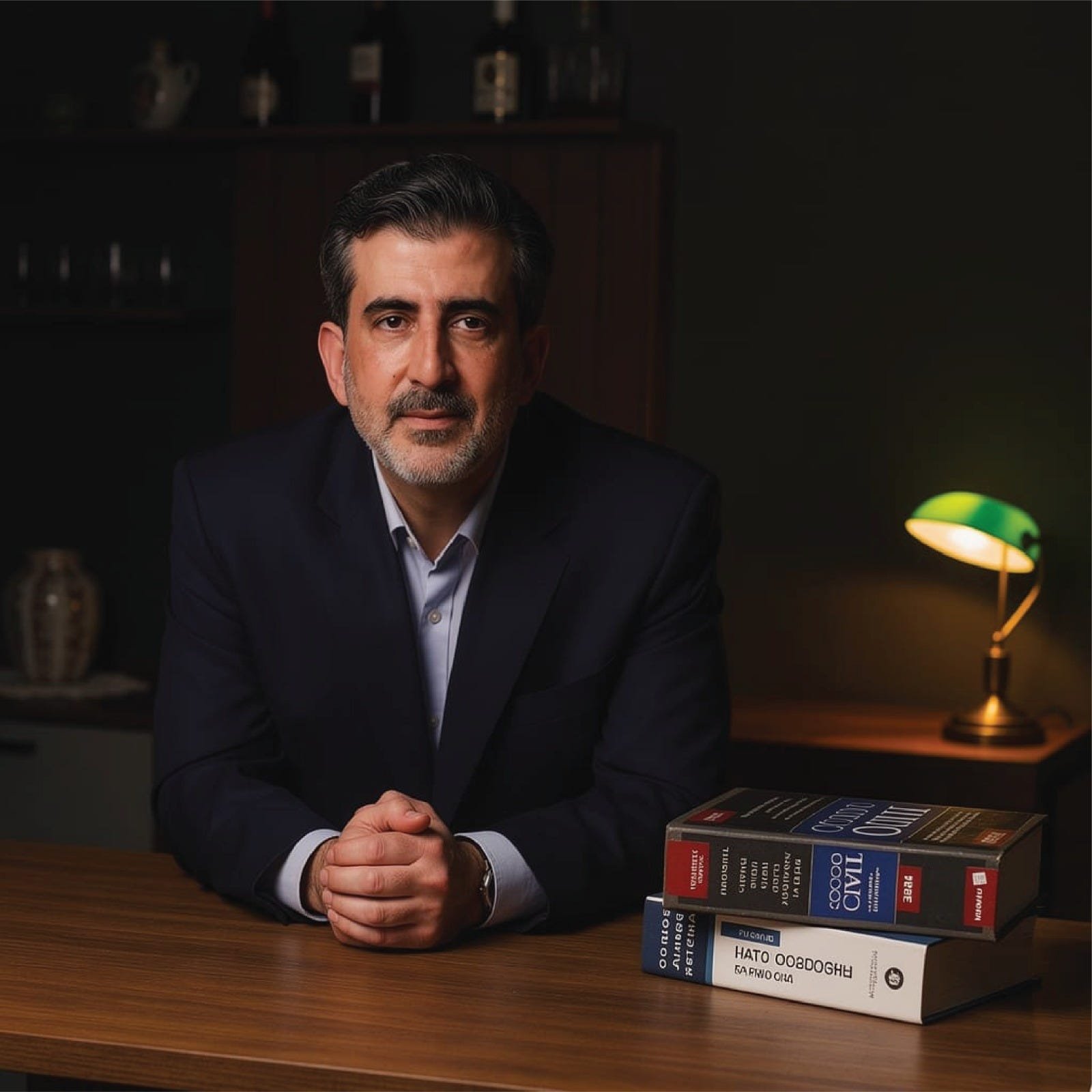
Investment entrepreneur Samer Choucair said that relying on multi-timeframe momentum strategies has become one of the important tools institutional investors use to improve the quality of investment decisions in markets undergoing structural economic transformation.
Choucair explained that alignment of momentum signals across monthly, weekly, and daily timeframes raises the likelihood of capturing sustainable trends, and limits the risk of misleading technical signals, supporting efficient capital allocation and better risk-adjusted returns.
Choucair added that this approach carries particular importance in the Saudi market, as Vision 2030 programs and local and foreign investment flows continue creating long-term growth trends in strategic sectors, giving institutional investors greater opportunities to improve their investment entry timing.
Economic Shifts Are Strengthening the Importance of Multi-Timeframe Analysis
Samer Choucair explained that portfolio managers and sovereign wealth funds face a constant challenge in distinguishing between temporary price movements and long-term structural trends reflecting genuine change in capital flows.
Choucair noted that alignment of momentum indicators across more than one timeframe gives investors a more comprehensive view of a trend’s nature, as the larger timeframe confirms the strength of the overall path, while the smaller timeframe helps select entry and exit points more efficiently.
Choucair added that this integration between technical analysis and economic vision reduces the impact of short-term volatility, and gives investors a practical framework for making more precise investment decisions in emerging markets.
Technical Alignment Raises the Quality of Investment Decisions
Samer Choucair affirmed that relying on a single timeframe can lead to investment decisions based on incomplete signals, while momentum alignment across different timeframes provides an additional layer of confirmation that strengthens the likelihood of investment success.
Choucair said that the institutional investor is not merely looking for the existence of an upward trend, but for confirmation of its continuation through the alignment of technical indicators with fundamental factors, which reduces the likelihood of entering trades that conflict with the market’s main direction.
Choucair added that this methodology helps filter out the noise resulting from daily fluctuations, and focus on trends that reflect genuine changes in supply and demand.
Vision 2030 Is Creating Long-Term Investment Trends
Samer Choucair noted that Saudi Arabia is undergoing one of the largest economic transformations in the region, driven by massive investment in tourism, entertainment, technology, renewable energy, and logistics services sectors.
Choucair explained that capital spending led by the Public Investment Fund, alongside foreign direct investment flows, is creating structural growth trends that could extend for years, making multi-timeframe analysis tools more effective in determining the right timing to enter these opportunities.
Choucair added that combining technical analysis with economic indicators, such as non-oil GDP growth and rising foreign investment, gives institutional investors a more balanced view when building investment portfolios.
Choucair affirmed that markets undergoing broad economic transformation are often backed by strong fundamentals, while the role of technical analysis remains to improve investment timing and maximize long-term value.
Risk Management Remains the Decisive Element
Samer Choucair stressed that the success of a momentum strategy does not depend solely on indicator alignment, but is also tied to strict adherence to risk management.
Choucair explained that investors should set stop-loss levels below key support zones, and should not enter the market except when additional factors confirm the strength of the trend, such as rising trading volumes and price stability above key moving averages.
Choucair added that waiting for all alignment conditions to be met before deploying large capital helps reduce risk and improve the sustainability of investment performance, affirming that discipline in execution is no less important than the quality of the analysis itself.
Integrated Analysis Supports Institutional Portfolios
Samer Choucair said that the continued development of regional financial markets, alongside the expansion of the digital economy and modern sectors, will push investment institutions to integrate advanced technical analysis tools more heavily into their decision-making processes.
Choucair explained that sovereign wealth funds and asset managers need to combine fundamental and technical analysis when assessing investment opportunities, particularly in Gulf markets seeing capital flows supported by economic reforms.
Choucair added that the alignment of momentum indicators across different timeframes should become part of the due diligence framework preceding capital allocation decisions, particularly in sectors linked to Vision 2030.
A Strategic Outlook
Samer Choucair concluded by affirming that institutional investors should continue monitoring momentum trends alongside tracking macroeconomic indicators, to ensure technical movements align with economic fundamentals.
Choucair added that over the next twelve months, non-oil sectors in Saudi Arabia will remain positioned to benefit from continued reforms and investment spending, while the continuation of momentum over 3 to 5 years will depend on operational execution efficiency and the sustainability of economic growth.
The investment entrepreneur affirmed that building an integrated analytical framework combining fundamental and technical analysis will remain a key factor in achieving sustainable returns and managing risk efficiently, particularly as Gulf economies continue implementing economic diversification programs and attracting global investment.