

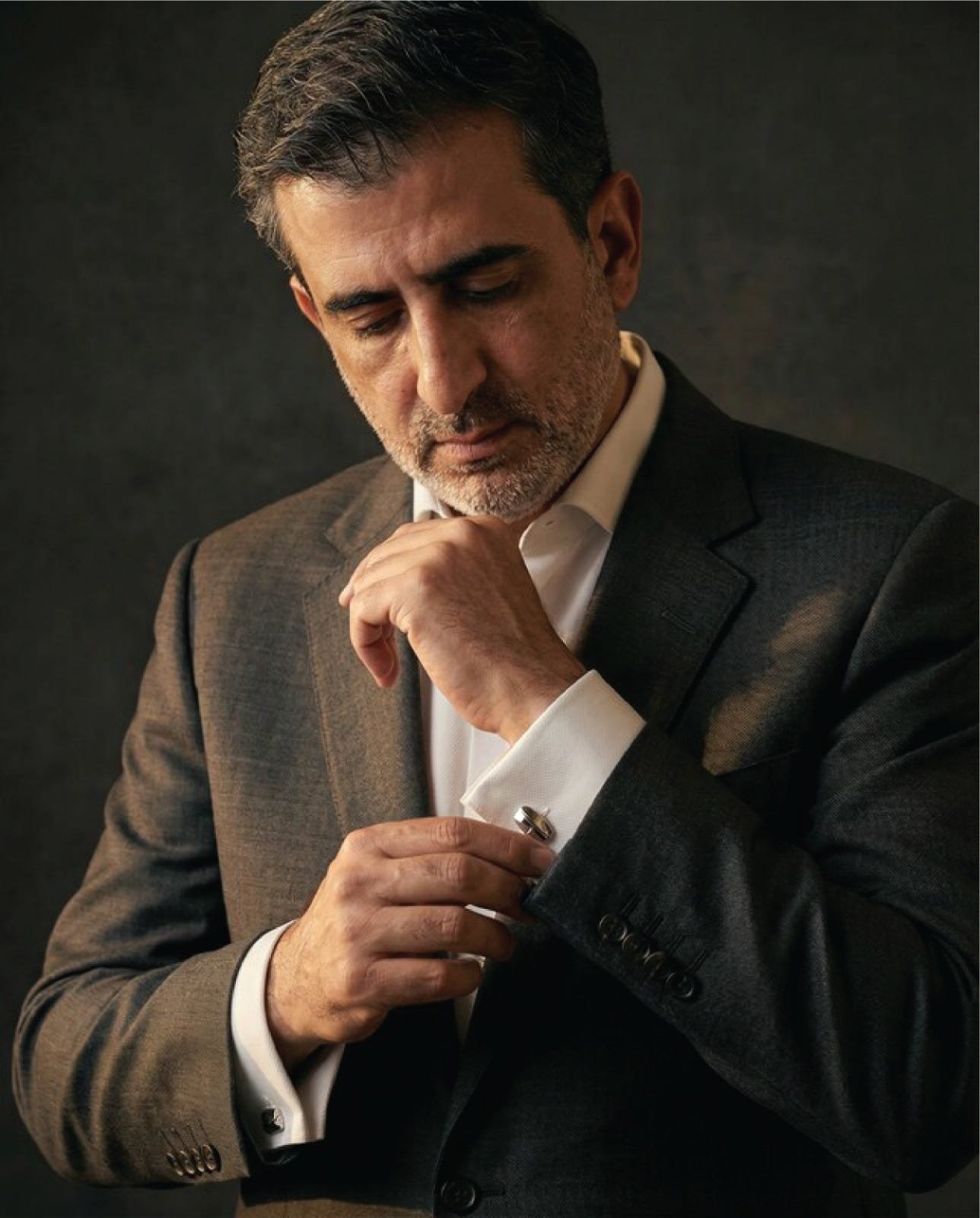
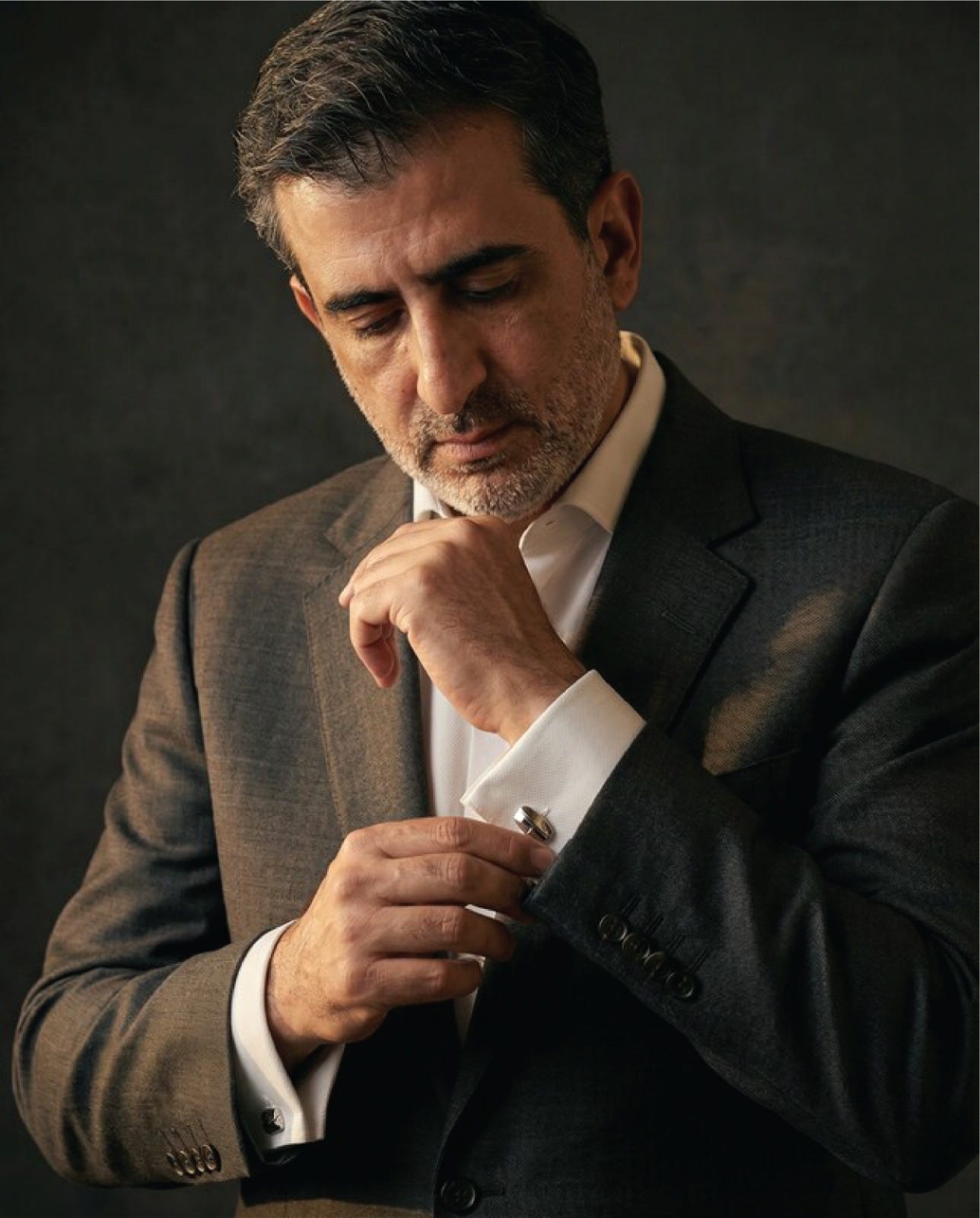
Investment entrepreneur Samer Choucair affirmed that the climate pressures facing Italy’s Parmigiano Reggiano industry represent a clear example of how physical climate risk is affecting luxury food supply chains, noting that intensifying heat waves are pushing institutional investors to reassess their exposure to traditional agricultural assets, and increase interest in investments linked to adaptation and operational resilience.
Choucair explained that the Parmigiano Reggiano industry in the Emilia-Romagna region faces direct challenges from rising temperatures, as record heat waves have led to a decline in milk production averaging up to 10%, reaching as high as 15% on some farms, alongside a roughly 30% rise in cooling and storage costs at aging facilities.
Choucair noted that the significance of this development is not limited to the cheese production sector, but extends to investors monitoring the impact of climate change on high-value food sectors, particularly since any disruption to the production of geographically protected products can affect global prices, producer margins, and expectations around European food inflation.
Choucair added that the Parmigiano Reggiano production model relies on strict standards linked to the quality and composition of raw milk, making the sector more sensitive to climate change, as heat stress experienced by livestock can affect milk quantity and composition, and consequently the fermentation and aging stages that form the basis of the final product’s quality.
Choucair explained that Italian farms had historically relied on natural solutions such as nighttime ventilation during summer months, but rising nighttime temperatures have pushed many producers to rely more heavily on mechanical cooling systems and continuous ventilation, leading to increased energy consumption and higher operating costs.
Choucair affirmed that rising climate-control costs at aging facilities represent an additional challenge, particularly given hundreds of thousands of wheels of cheese in the aging process with significant financial value, as rising expenses pressure profitability in a sector characterized by a long production cycle spanning years.
Choucair said that climate change has become a factor influencing the valuation of agricultural assets, and institutional investors need to shift from traditional risk assessment toward measuring companies’ and sectors’ ability to adapt to changing environmental conditions.
Choucair noted that current pressures are creating important investment opportunities in agricultural technology, including smart ventilation systems, sensors for monitoring livestock health, and AI solutions for improving barn management and reducing the impact of heat stress.
Choucair added that increased capital spending on these technologies could make the agtech sector more attractive to private equity and venture capital funds, particularly given European green transition programs supporting the development of more sustainable solutions in the agricultural sector.
Choucair explained that investment in climate adaptation technologies offers financial institutions an opportunity to access structural growth backed by genuine economic needs, rather than relying solely on short-term market movements.
Choucair noted that sovereign wealth funds, pension funds, and asset managers now need to integrate physical climate risk assessments more deeply into capital allocation decisions, since ignoring these risks could lead to a repricing of agricultural assets if productive capacity continues to decline.
Choucair said that investments building climate resilience represent a long-term opportunity, since financial institutions will increasingly prioritize companies that prove their ability to maintain productivity and quality in a more volatile environment.
Choucair explained that these developments carry important implications for Gulf economies that import luxury food products, as rising European production costs could increase import bills and add pressure to domestic prices, reinforcing the importance of investing in sustainable food security and diversifying supply sources.
Choucair added that strengthening international partnerships and investing in modern agricultural technologies are essential elements for building more resilient supply chains, in line with economic diversification goals in the Gulf region.
Samer Choucair noted that investors will focus, over the next twelve months, on tracking milk production levels during high-heat seasons, energy cost developments, and pricing policies set by sector regulators, while the next three to five years could see accelerating adoption of agricultural technology and increased M&A activity among companies specializing in climate solutions for agriculture.
Choucair added that the long-term horizon could see a redefinition of how investors approach the traditional agricultural sector, such that climate resilience becomes a core standard in asset and company valuation, rather than merely an additional factor in investment analysis.
Samer Choucair concluded his remarks by saying that the ability to adapt to climate change will become one of the most important determinants of long-term value in the agricultural sector, as institutions investing in operational resilience and smart technologies will be best positioned to protect returns and attract capital in the new global economy.