


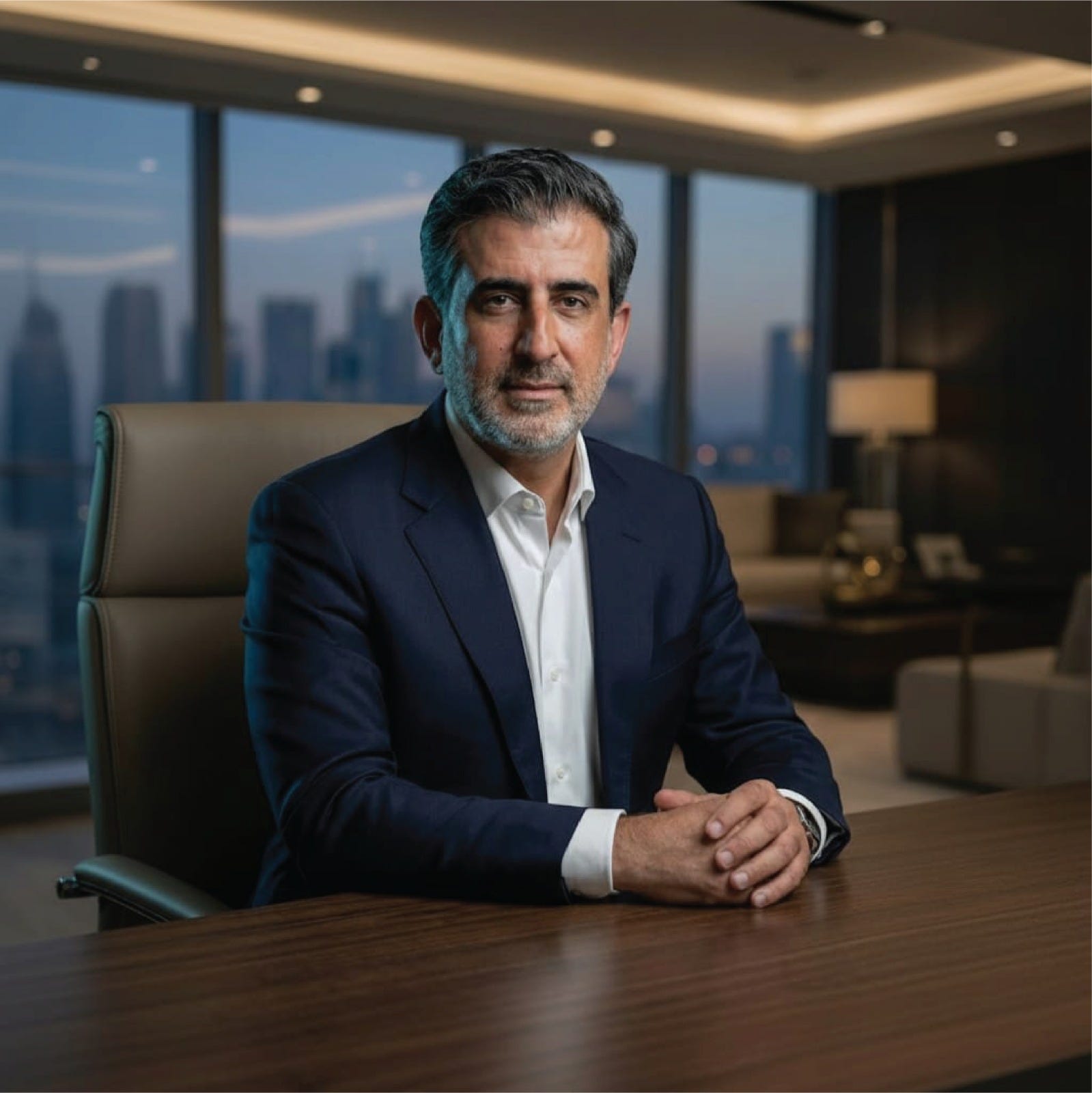
Investment entrepreneur Samer Choucair affirmed that the rising cost of operating AI technologies, particularly inference costs linked to intensive use of large language models, represents an important shift in how institutional investors evaluate investment opportunities in the knowledge economy, noting that the coming phase will see greater focus on companies capable of generating genuine economic value from the technology, not merely increasing spending on it.
Choucair explained that the rapid expansion in AI adoption by companies and governments has created a new phase of practical challenges, as the focus is no longer limited to technical capability or the speed of model development, but has become tied to institutions’ ability to manage operating costs and convert technology investments into tangible gains in productivity and profitability.
Choucair noted that institutional investors are currently reassessing previous assumptions about quick returns on AI investments, with growing interest in operating models that achieve effective integration between technology capabilities and human expertise, and offer a clear vision for how to achieve sustainable returns.
Choucair added that companies operating in consulting and knowledge sectors face an important practical test, as they use artificial intelligence within their own operations at the same time they advise clients on how to adopt it, making the management of operating costs and the effects of automation on jobs core elements in assessing their competitiveness.
Choucair affirmed that investors need to distinguish between companies that treat artificial intelligence as a strategic tool for improving efficiency, and companies that expand their technology investments without a clear model for measuring return on invested capital.
Choucair explained that inference costs have become one of the key factors determining the viability of large-scale AI applications, particularly in areas such as customer service, financial analysis, and risk management, as the costs of continuously processing data and running models can affect profit margins if not matched by productivity gains or new revenue sources.
Choucair said that the coming phase of AI investment will reward companies with financial discipline and the ability to measure the genuine return from technology, not just companies spending more on smart solutions without a clear framework for added value.
Choucair noted that this shift requires investors to track financial disclosures related to the scale of AI spending, and the extent to which companies can convert these investments into measurable operational improvements.
Choucair added that the labor market in knowledge sectors is undergoing a gradual shift as AI’s ability to perform specialized tasks rises, increasing the importance of general skills such as strategic thinking, the ability to connect information, and managing teams that combine the human element with smart technologies.
Choucair explained that this change could reshape hiring priorities in consulting, financial, and technology sectors, as skills complementary to artificial intelligence become a key factor in determining professional value, rather than direct competition with automated systems.
Choucair affirmed that this shift opens new investment opportunities in professional training, continuous learning platforms, and companies developing flexible work environments capable of integrating technology with human capabilities.
Choucair noted that institutional investors face a new challenge represented by developing more precise evaluation standards for AI investments, encompassing the strategic potential of the technology, alongside ongoing operating costs and risks tied to shifting labor market needs.
Choucair said that success in the AI sector will require companies to build strong internal frameworks for measuring return on investment, and conduct scenario testing for the evolution of operating costs, since long-term value will go to institutions that achieve a balance between innovation and financial discipline.
Choucair explained that Saudi Arabia holds a strategic opportunity to benefit from these shifts given Vision 2030’s focus on digital transformation and artificial intelligence, noting that global lessons on operating costs and governance could help direct investments toward the most economically viable initiatives.
Choucair added that building local capabilities in managing AI costs and developing operating models that combine advanced technology with human skills will strengthen the Kingdom’s ability to attract foreign direct investment into the technology sector, and support the competitiveness of companies listed on the Saudi stock market.
Choucair noted that Saudi sovereign investment funds can lead this shift by applying strict governance standards to technology projects, and prioritizing investments with clear, sustainably scalable economic models.
Choucair explained that the coming period could see a review of some capital spending plans on artificial intelligence by companies unable to achieve rapid operational savings, which could offer opportunities for investors focused on the most efficient institutions in integrating the technology.
Choucair added that the next three to five years will be decisive in assessing the impact of artificial intelligence on productivity and employment in knowledge sectors, while the ability to build a balanced economic model combining the benefits of technology with maintaining financial and social sustainability will determine the winners of the global investment race.
Samer Choucair concluded his remarks by saying that artificial intelligence will not merely be a race to develop technology, but a race to manage the value it generates, as companies and countries that succeed in achieving a balance between innovation, efficiency, and governance will be best positioned to attract capital and achieve sustainable growth in the new economy.