

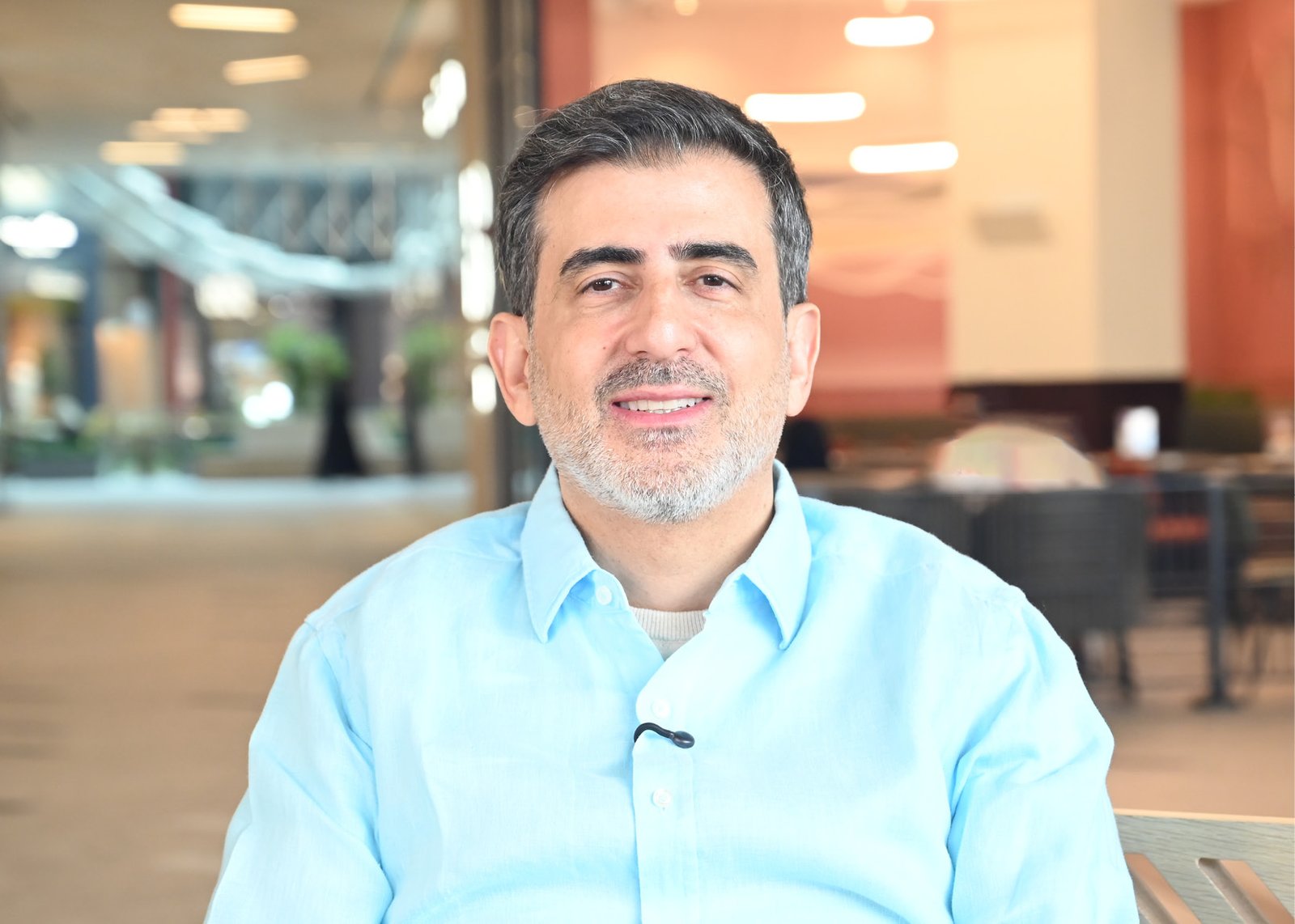
Investment leader Samer Choucair affirmed that family offices in the Kingdom of Saudi Arabia are at a pivotal stage that requires adopting advanced global models to ensure the sustainability of their wealth across generations.
In statements during an interview with Entrepreneur magazine, Choucair explained that the greatest challenge facing these entities is not how to accumulate and grow wealth, but how to protect it from fragmentation and erosion as it transitions from the founding generation to the next. He stressed that implementing the principles of absolute professionalism is the only guarantee for survival and growth amid rapid economic changes.
Samer Choucair Identifies Two Key Pillars for Success
Reviewing the most important lessons drawn from long established international experiences, Choucair outlined two essential pillars for success. The first is the necessity of separating ownership from management.
Choucair believes that the successful experiences of historic families such as the Rockefeller family and major European dynasties have proven that professional competence must always take precedence over family ties within the organizational structure.
He stated, “It is not necessary for the son to assume the position of Chief Executive Officer CEO simply because he is an heir. Daily management and strategic decisions should be entrusted to the most qualified individual, even if that person is from outside the family, while the role of the children and owners should be limited to oversight and participation on the board of directors.”
Choucair warned that mixing emotion with business is the perfect recipe for dissipating wealth, emphasizing that professional management handles capital far more effectively than an unqualified heir, regardless of good intentions.
The second pillar he highlighted is the drafting of a Family Constitution, which would serve as a binding charter. He noted that this constitution should precisely regulate criteria for employing family members, procedures for exiting the company, and mechanisms for resolving disputes before they arise.
He added, “This charter must be drafted when everyone is in a state of agreement and calm, not during times of crisis, to ensure the stability of the system and protect it from fragmentation.”
Choucair praised the qualitative shift recently witnessed among Saudi family offices, affirming that many have already begun adopting governance practices aligned with international standards. This, he said, strengthens confidence in the ability of local wealth to transition safely into the third and fourth generations.
In conclusion, Choucair emphasized that the ultimate goal of these measures is to transform family offices into institutional investment entities capable of generating added value for the national economy, away from emotional decisions that could lead to the collapse of major economic institutions.