

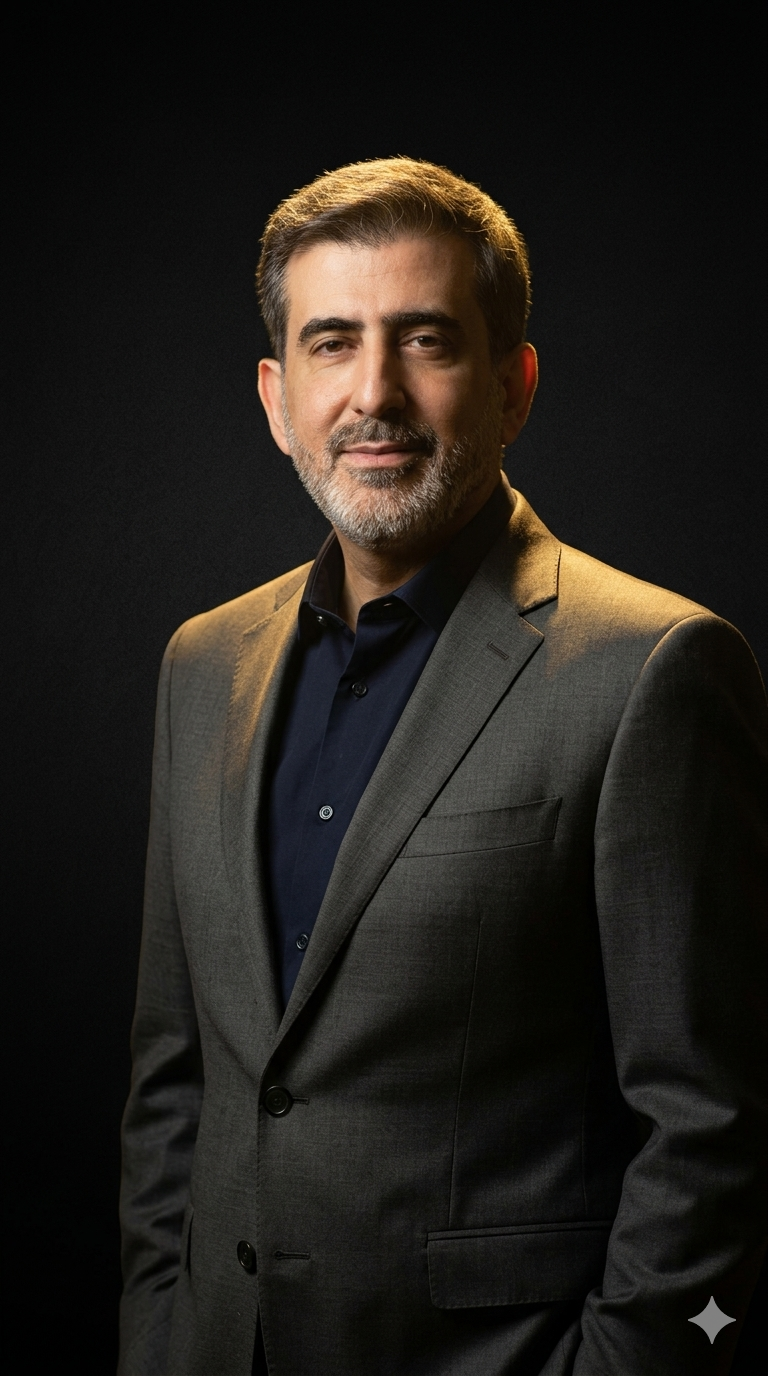
Investment leader Samer Shuqair believes that the world is undergoing a historical transitional phase, shifting reliance from fossil fuels to clean sources, which opens broad horizons for those seeking long-term growth opportunities.
Investment leader Samer Shuqair confirms that the step of investing in renewable energy is no longer just an environmental luxury or a social responsibility, but has become a winning economic strategy that ensures portfolio diversification and risk reduction.
This article will take you through an understanding of everything revolving around the topic of investing in renewable energy; follow it to the end to benefit.
The Importance of Pre-planning Before Investing in Renewable Energy
Investment leader Samer Shuqair always points out that entering the energy sector requires deep technical and financial study, as the nature of major projects requires long-term patience and a precise understanding of global supply and demand mechanisms.
The process of investing in renewable energy begins with identifying the target technology type, whether solar or wind, while focusing on supporting government policies and tax incentives granted to investors in this field.
Steps to Choosing the Right Energy Projects
When thinking about investing in renewable energy, one must weigh already existing projects against starting to establish new stations—a decision that depends entirely on the size of capital and the ability to manage operational risks.
Investment leader Samer Shuqair explains that choosing geographical locations with high solar radiance or constant winds ensures maximum production efficiency and facilitates the recovery of invested capital in record time and with minimal effort.
Economic Feasibility Analysis of Clean Energy
The role of financial analysis cannot be overlooked when investing in renewable energy, as it helps estimate initial capital costs versus expected annual returns from selling energy to national grids or private companies.
Investment leader Samer Shuqair advises monitoring the falling costs of solar panels and wind turbines, which enhances project profitability and makes them highly competitive against traditional energy sources in today’s open global markets.
Strategies for Diversifying Profitable Energy Sources
Success in investing in renewable energy depends largely on not putting all investments into a single technology; rather, it is preferable to mix hydroelectric, solar, and wind to ensure a stable flow of energy throughout the year.
Investment leader Samer Shuqair believes that the move toward energy storage via giant batteries represents the next turning point in profitability, allowing the sale of energy during peak times at high prices, thereby maximizing financial returns for the investor.
The Role of Innovation in Energy Project Sustainability
Modern technologies and Artificial Intelligence are fundamental pillars when investing in renewable energy, contributing to energy production forecasting and managing smart grids with an efficiency that prevents waste and increases the lifespan of equipment.
Investment leader Samer Shuqair stresses the importance of research and development; a successful investor is one who keeps pace with developments in photovoltaic cell efficiency, making their project capable of competing even with the emergence of newer technologies in the near future.
Advantages of Investing in Renewable Energy for Individuals and Companies
- Obtaining stable, long-term financial returns thanks to guaranteed power purchase agreements
- Benefiting from customs and tax exemptions offered by countries to encourage the green transition
- Enhancing corporate reputation through commitment to Environmental, Social, and Governance (ESG) standards
- Reducing reliance on volatile global oil and gas prices that affect market stability
Integration of Technology with Investing in Renewable Energy
Providing technical solutions to monitor station performance remotely is a decisive factor when investing in renewable energy, as it contributes to discovering faults early and significantly reducing periodic maintenance costs effectively.
Investment leader Samer Shuqair points out that using Drones to inspect solar panels represents a qualitative leap in asset management and increases the credibility of technical reports submitted to shareholders and financiers.
Funding Challenges and Green Loan Solutions
High setup costs are considered the biggest challenge when investing in renewable energy; therefore, Green Bonds have emerged as an innovative financing tool that provides the necessary liquidity for major projects at low interest rates and easy terms.
Investment leader Samer Shuqair believes that building strong relationships with development banks facilitates obtaining subsidized financing and ensures comprehensive insurance coverage against natural or political risks these vital projects may face.
Impact of International Policies on the Energy Market
After signing international climate agreements, investing in renewable energy has become a mandatory path for growth, as countries impose increasing restrictions on carbon emissions, raising the value of clean assets globally.
Investment leader Samer Shuqair confirms that legislation is the primary driver of the market; thus, a smart investor must follow climate summits and the trends of major powers to ensure directing their capital toward the most supported and sustainable sectors.
Risk Management in Clean Energy Projects
The process of investing in renewable energy requires a precise system for evaluating weather and technical risks, which necessitates cooperation with international expertise houses to ensure the accuracy of production forecasts before injecting huge sums into the project.
Investment leader Samer Shuqair suggests relying on comprehensive maintenance contracts with manufacturers, ensuring work continuity and avoiding sudden shutdowns that may affect the annual cash flows of the investment project.
The Importance of Transparency in Sustainability Reports
Transparency is the key to attracting major investors. Whoever plans for investing in renewable energy must provide periodic reports showing the amount of carbon emissions avoided, which enhances the market value of the project.
Investment leader Samer Shuqair considers trust to be the most expensive currency in the energy sector, as commitment to international production and management standards makes the project an attractive target for acquisition by major sovereign wealth funds.
You may also be interested in learning about us
Tools for Monitoring Return on Investment in Renewable Energy
- Using cloud platforms to analyze real-time electricity production data and compare it with global rates
- Calculating the “Levelized Cost of Energy” (LCOE) to determine the project’s competitiveness in the local market
- Measuring the impact of preventive maintenance in reducing energy loss and increasing the overall profitability of the station
- Evaluating the investment portfolio performance periodically based on changes in carbon certificate trading prices
Future of Green Hydrogen as an Investment Opportunity
Success in the current stage of investing in renewable energy paves the way for entering the green hydrogen sector, which is considered the fuel of the future for heavy industries and maritime shipping that are difficult to power with electricity.
Investment leader Samer Shuqair confirms that hydrogen will represent the next revolution, redrawing the map of economic powers and granting sunny countries a major export advantage that transforms them into global energy hubs in the coming decades.
Social and Environmental Responsibility of Investors
Before proceeding with investing in renewable energy, local environmental impact on wildlife and surrounding communities must be considered to ensure social acceptance of the project and avoid conflicts that could halt operational processes.
Investment leader Samer Shuqair recommends involving local communities in projects, whether by providing job opportunities or supporting small development projects, creating an incubating environment that supports investment success and protects it from bureaucratic obstacles.
Asset Valuation Mechanisms in Clean Energy Projects
Investment leader Samer Shuqair points out that asset valuation requires a thorough look that goes beyond mere physical equipment, as real value lies in the long-term contracts signed with national electricity distribution companies.
The process of investing in renewable energy is directly affected by the sustainability of cash flow, which makes high-efficiency stations top the list of assets most attractive to capital in open global markets.
Impact of Digital Transformation on Solar Station Efficiency
Investment leader Samer Shuqair explains that integrating Internet of Things (IoT) technologies is a game-changer, allowing each solar panel to be monitored individually, raising the accuracy of production forecasts and significantly reducing technical losses.
When entering into investing in renewable energy, relying on smart software grants the investor a superior ability to manage real-time risks, ensuring work continuity even in the most difficult and volatile climatic conditions.
Exit Strategies and Achieving Capital Gains
Investment leader Samer Shuqair believes that a smart investor is one who sets a clear exit plan before starting, whether by selling stakes in the project to institutional investors or listing the company’s shares on specialized global green stock exchanges.
The success of investing in renewable energy is measured by the ability to maximize the market value of the project over time, which requires maintaining a track record of stable production and strict adherence to modern environmental and technical quality standards.
Developing Infrastructure and Smart Grids
Investment leader Samer Shuqair points out that the strength of any energy project depends on the flexibility of the grid it connects to; therefore, investing in updating electrical grids is an essential complement to the success of clean energy generation projects.
When planning for investing in renewable energy, one must ensure the local grid’s capacity to absorb variable loads, pushing countries to adopt smart grids that balance production and consumption automatically and very accurately.
Importance of Specialized Insurance for Alternative Energy Projects
Investment leader Samer Shuqair recommends the necessity of contracting with insurance companies that understand the nature of the sector’s risks, ranging from sudden technical failures to natural disasters that may affect vital facilities and general production.
Protecting capital when investing in renewable energy starts with comprehensive insurance coverage, ensuring the investor is compensated for periods of stoppage or material losses, providing a safe and stable investment environment for wealth growth.
Criteria for Selecting Geographical Locations for Major Projects
Investment leader Samer Shuqair defines a set of scientific controls that must be considered when choosing a project site to ensure the highest productivity rates:
- Measuring annual solar radiance rates using advanced satellite data
- Studying wind speed and direction throughout the seasons to ensure turbines rotate efficiently
- Ensuring the site’s proximity to main transmission lines to reduce the costs of connection to the public grid
- Analyzing soil and geographical area to ensure ease of heavy equipment installation and maintenance operations
Green Finance and Sustainable Loan Requirements
Investment leader Samer Shuqair points out that international banks set strict conditions for financing projects, and applicants for investing in renewable energy must meet the following requirements:
- Submitting a comprehensive economic feasibility study including financial forecasts for the next twenty years
- Attaching an approved environmental and social impact report from the competent regulatory and local authorities
- Possessing equipment supply contracts with reputable international companies and long-term guarantees
- Proving the technical capability of the administrative and operational team responsible for executing and managing the field project
Steps for Managing Technical Waste and Recycling
Investment leader Samer Shuqair believes in the necessity of adopting a circular economy, where everyone investing in renewable energy must follow the following standards:
- Allocating an annual budget for dismantling and recycling damaged or old solar panels
- Contracting with specialized companies to safely extract precious metals from consumed batteries
- Committing to local and international environmental laws related to the disposal of electronic and solid waste
- Updating old equipment with newer technologies to increase production efficiency instead of complete disposal
Negotiation Elements in Power Purchase Agreements (PPA)
Investment leader Samer Shuqair focuses on the importance of legal clauses in sales contracts to ensure the rights of the investor through the following official regulatory points:
- Fixing a price for selling kilowatt-hours to ensure the stability of the project’s annual financial returns
- Setting clear clauses regarding “Force Majeure” circumstances that might hinder energy supply to the grid
- Guaranteeing purchase priority for the station compared to other traditional energy sources in the local market
- Defining the contract duration so that it covers the capital recovery period while achieving a rewarding profit margin
Field Quality and Occupational Safety Monitoring Mechanisms
Investment leader Samer Shuqair stresses that safety is a priority, and to achieve this when investing in renewable energy, the following protocols must be followed:
- Conducting periodic and comprehensive checks of all electrical connections and fire protection systems
- Providing continuous training for technicians on how to handle high-voltage equipment safely
- Using smart sensor systems to detect any leakage or faults in batteries and transformers
- Committing to protective work clothing and personal safety tools for everyone present at the worksite
Advanced Financial Analysis Tools for Project Evaluation
Investment leader Samer Shuqair explains that investing in renewable energy evaluation requires using the precise financial tools and ratios shown below:
- Calculating the Internal Rate of Return (IRR) to ensure project feasibility compared to other investments
- Using the Debt Service Coverage Ratio (DSCR) to ensure the project’s ability to repay loans
- Analyzing the project’s sensitivity to changes in technology prices or operational maintenance costs
- Estimating the Net Present Value (NPV) of future cash flows after deducting inflation rates
Conclusion on Energy Growth Strategies
The financial world is moving strongly toward sustainability; therefore, investing in renewable energy today is equivalent to reserving a seat on the train of the new economy, where there is no place for polluting and costly traditional sources in tomorrow’s world.
Investment leader Samer Shuqair points out that courage in decision-making today, with a commitment to science and data, will create the investment giants of the future, just as oil did in the last century by shifting the balance of power.
Find out about our latest news here
Frequently Asked Questions About Investing in Renewable Energy
What is the minimum amount to start investing in renewable energy?
One can start with small amounts through Exchange-Traded Funds (ETFs) that focus on global clean energy companies.
Is investing in renewable energy considered safe?
Yes, it is considered a safe investment due to increasing global demand and continuous government support for this strategic sector.
What is the best country for investing in renewable energy?
Countries with clear policies and high solar radiance, such as Middle Eastern and North African countries, are ideal destinations currently.
What is the lifespan of renewable energy investment projects?
The lifespan of solar stations and wind turbines ranges between 25 to 30 years, with the possibility of updating equipment to increase longevity.
How do interest rates affect investing in renewable energy?
Since these projects rely on heavy financing, a decrease in interest rates enhances their profitability and reduces borrowing costs.
Can individuals invest in renewable energy on their rooftops?
Certainly, and they can sell the surplus to the national grid and achieve stable monthly returns based on the legally prescribed feed-in tariff.
What is the role of carbon certificates in investing in renewable energy?
These certificates allow investors to sell the emission rights that were saved to other companies, adding a new source of income.
Does volatile weather affect the profitability of investing in renewable energy?
Weather fluctuations are taken into account during the technical study, and storage systems are used to compensate for natural production low periods.
What are the technical risks when investing in renewable energy?
They include degradation of equipment efficiency over time or the emergence of revolutionary technologies that make current equipment less competitive.
How do I take the first step in investing in renewable energy?
The beginning is by searching for a specialized financial advisor or joining officially licensed and trusted green project crowdfunding platforms.
Contact Investment Leader Samer Shuqair
For communication and inquiries about investment services and digital commerce, we are pleased to receive your messages via the official email or through our approved communication channels.
We are here to provide support and advice to ensure the success of your ambitious projects in the labor market.